NASA Dragonfly DragonCam Cameras Installed on Titan-Bound Rotorcraft
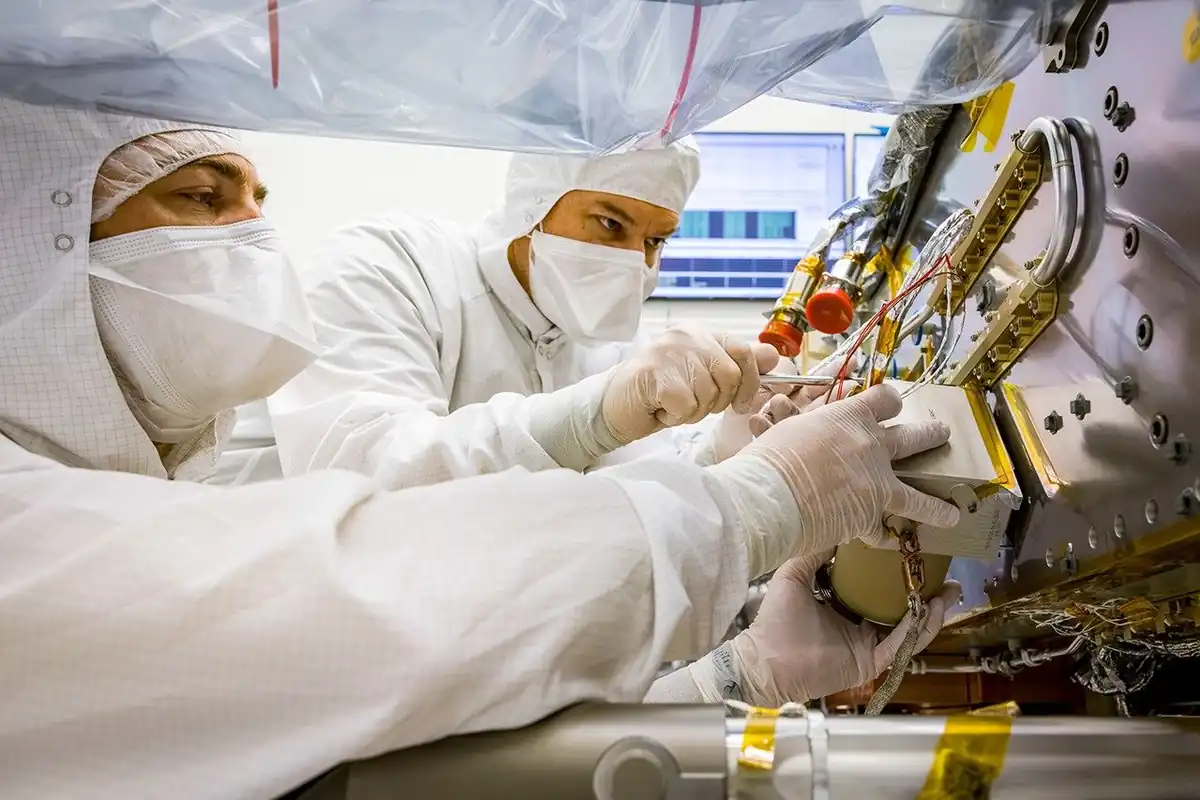
How will a robotic rotorcraft see Titan once it arrives? The answer is now taking shape.
The NASA Dragonfly DragonCam cameras, seven in all, are installed and tested on the craft at Johns Hopkins APL in Maryland. Launch is targeted for July 2028, with arrival in late 2034.
NASA’s Dragonfly is a car-sized rotorcraft, a vehicle with rotors that can both fly and land. It is built to explore Saturn’s largest moon, Titan. By mid-November 2026, all seven DragonCam science cameras had been installed in insulated housings, tested and integrated into the rotorcraft. Malin Space Science Systems, based in San Diego, California, developed and built the cameras. Their installation and testing on the rotorcraft took place at the Johns Hopkins Applied Physics Laboratory (APL) in Laurel, Maryland. Each camera looks out through a window in a foam enclosure. That foam shields the cameras from Titan’s cold, where ambient temperatures reach minus 290 degrees Fahrenheit.
For space fans, planetary scientists and students, this is a detailed look at how NASA plans to search Saturn’s largest moon for chemistry that comes before life. The cameras are insulated against temperatures near minus 290 degrees Fahrenheit. Their configurable LED array, built at APL, covers infrared to ultraviolet light. The camera hardware has now cleared a major step before Dragonfly’s July 2028 launch and late 2034 arrival.

Latest from Science
Visible Light CO2 Catalyst Turns Carbon Dioxide Into Industrial Feedstock for Nearly 4 Hours
Carbon dioxide is chemically stable, which makes it difficult to reuse. A team at Rice University has built a visible light CO2 catalyst that turns it into a useful chemical. Their catalyst
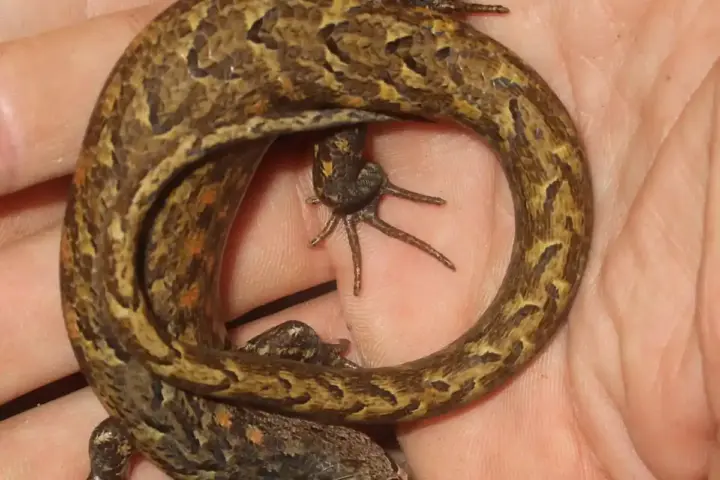
Chevron Skink Returned Wild: Eleven Lizards Home on Aotea After 30 Years in Zoo Care
Eleven chevron skinks have been returned to the wild on Aotea, Great Barrier Island, after 30 years in Auckland Zoo’s care. A chevron skink returned wild is a rare piece of good
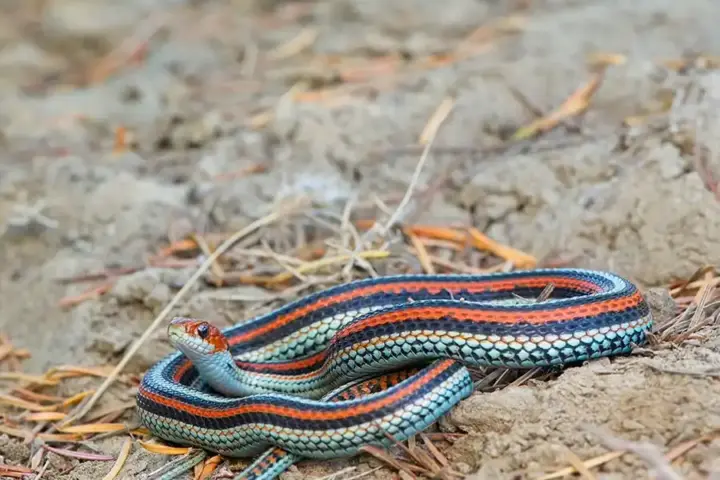
62 Endangered San Francisco Garter Snakes Return to the Wild in Historic First, With 130+ More Coming in 2027
62 Endangered San Francisco Garter Snakes Return to the Wild in Historic First, With 130+ More Coming in 2027 If you have ever worried that a local species is slipping away, this
NIH BRAIN Initiative Cell Atlas Maps the Basal Ganglia
Families affected by Parkinson’s disease, Huntington’s disease or autism may want to know which parts of the brain are involved. On November 12, 2026, NIH-funded researchers published a large set of studies
UCL’s Water-Based Iodine Battery Kept 96% Capacity After 1,000 Cycles—What the Lab Results Show
UCL Aqueous Battery Breakthrough: Four-Electron Iodine Storage Without Halogen Salts Concerns about battery fires often lead people to ask whether a home battery or a neighborhood power store is safe. This laboratory
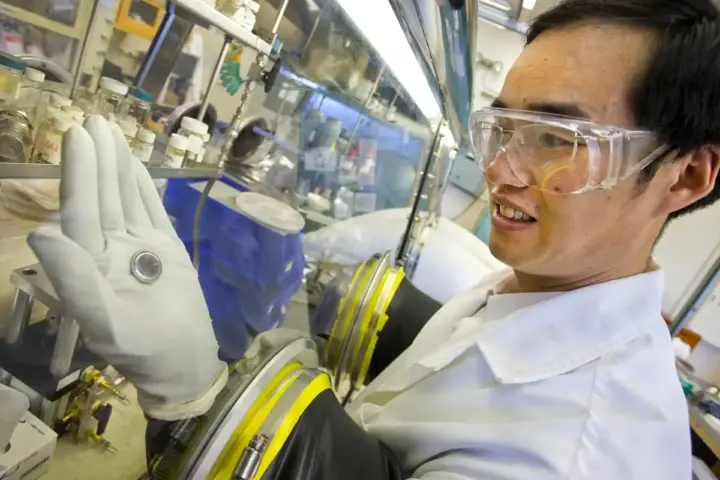
UCL’s Water-Based Iodine Battery Kept 96% Capacity After 1,000 Cycles—What the Lab Results Show
UCL Aqueous Battery Breakthrough: Four-Electron Iodine Storage Without Halogen Salts Concerns about battery fires often lead people to ask whether a home battery or a neighborhood power store is safe. This laboratory

International TOAR-II Ozone Assessment Ties Smog to 500,000 COPD Deaths
If you have a parent or partner with COPD, a long-term lung disease, ozone matters to you. The same goes for anyone who checks the air quality forecast before a run. Ground-level
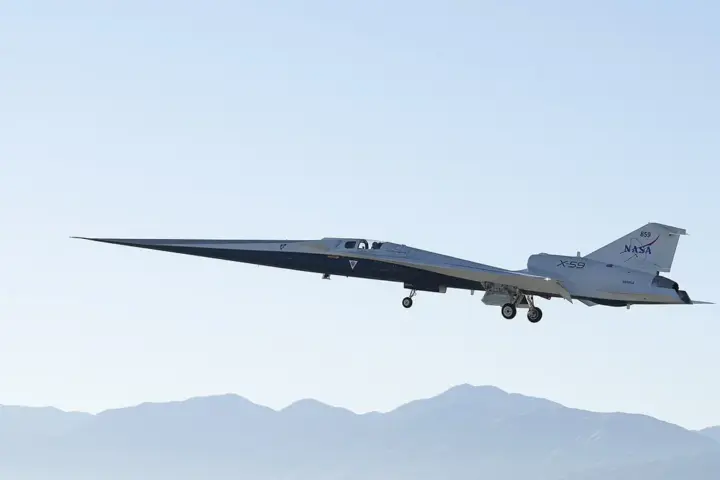
NASA X-70 Fractal Aircraft: Modular Crewed Experimental Jet
The NASA X-70 Fractal aircraft is a modular crewed experimental research jet. It was built to test new flight-control technology and swap payloads quickly. The X-70 Fractal can accommodate up to 2,000
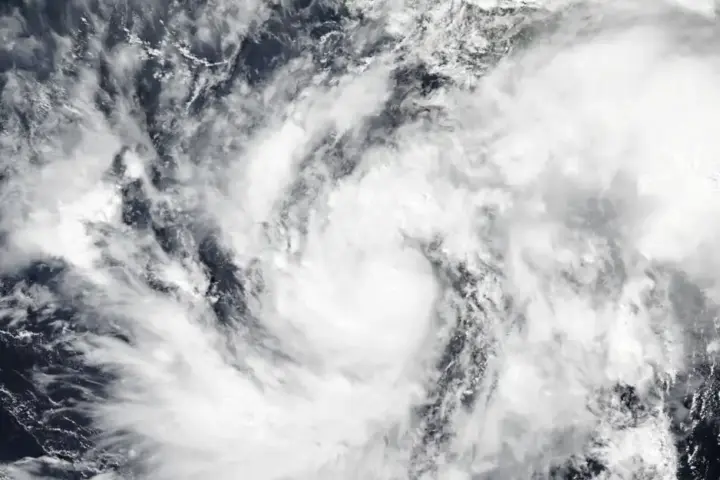
October 2026 Global Temperature Surge: NOAA Logs 2.57°F Largest Monthly Departure As 11 Major Cyclones Form
October 2026 global temperature records arrived together. The month brought the strongest departure from average in NOAA’s 1850–2026 record. It also set a fifth consecutive monthly ocean record and saw tropical cyclone
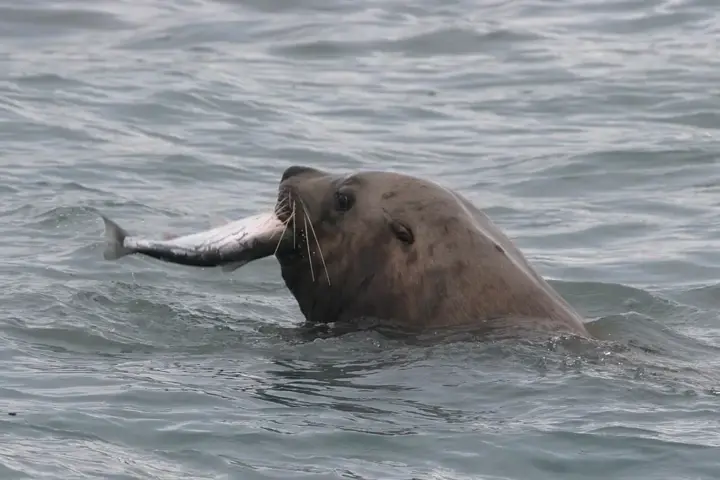
Culling Seals and Sea Lions Won’t Save Salmon, NOAA Study Finds
One question for West Coast salmon managers and anglers is whether removing seals and sea lions from the ocean can help Chinook and coho recover. A NOAA Fisheries and Oregon State University
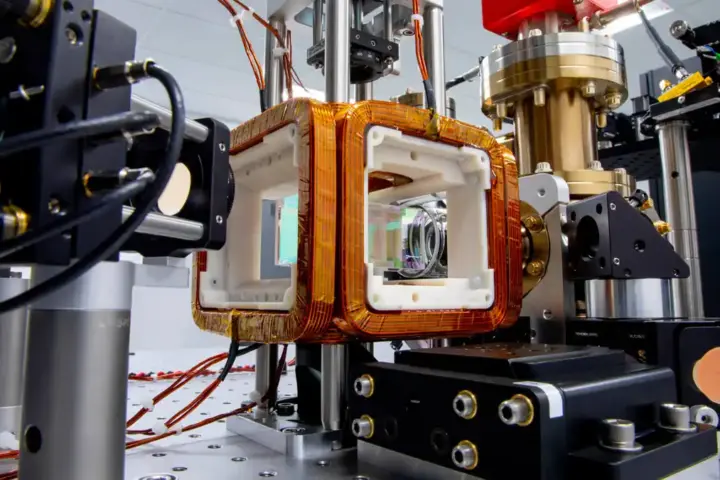
Atom Computing CHIPS Award Finalized with $100M Ceiling to Build Utility-Scale Quantum Systems
Scaling a quantum computer involves more than increasing its qubit count; the system must also support qubit control and integration. The U.S. Department of Commerce has finalized an award of up to
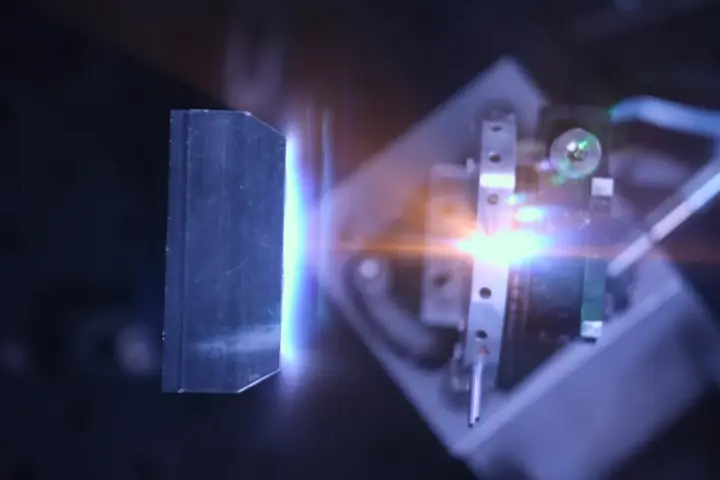
First Light Fusion FLARE: Central Laser Facility Models Fast-Ignition Fusion
For UK fusion investors and energy planners, a central question is whether inertial fusion can reduce the laser energy needed for ignition while maintaining high fusion gain. STFC’s Central Laser Facility (CLF)
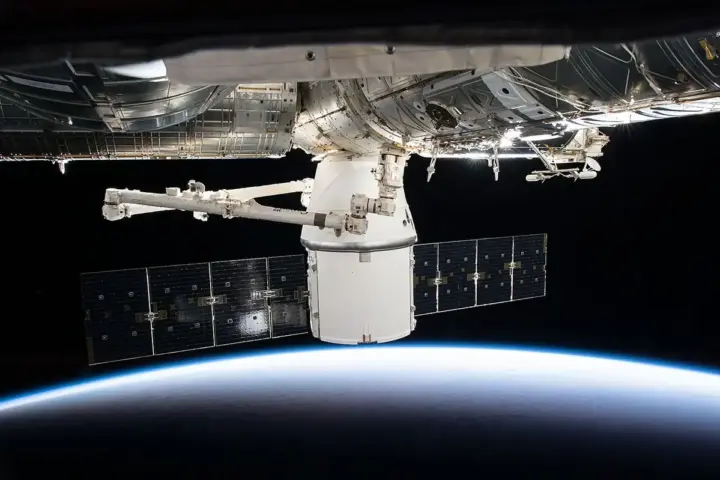
SpaceX Dragon Splashed Down Near LA With NASA Cancer Samples
For medical researchers and spaceflight followers, the November 21 return of SpaceX Dragon near Los Angeles brought home samples for research into heart disease, cancer, and drug-resistant infections. The capsule completed NASA’s

Ketogenic Diet Liver Fat Trial: 67% Drop as Half Left Prediabetes
For adults with obesity who also have prediabetes and fatty liver disease, weight loss may not be the only factor that matters. It can be linked to metabolic improvement as well. In

FDA San Pedro Shelf Shellfish Survey Finds Waters Not Approved for Harvest
FDA Survey Finds San Pedro Shelf Federal Waters Do Not Meet Approved Shellfish-Harvest Requirements Southern California seafood buyers may wonder whether the FDA’s finding about the San Pedro Shelf affects shellfish in