Chevron Skink Returned Wild: Eleven Lizards Home on Aotea After 30 Years in Zoo Care
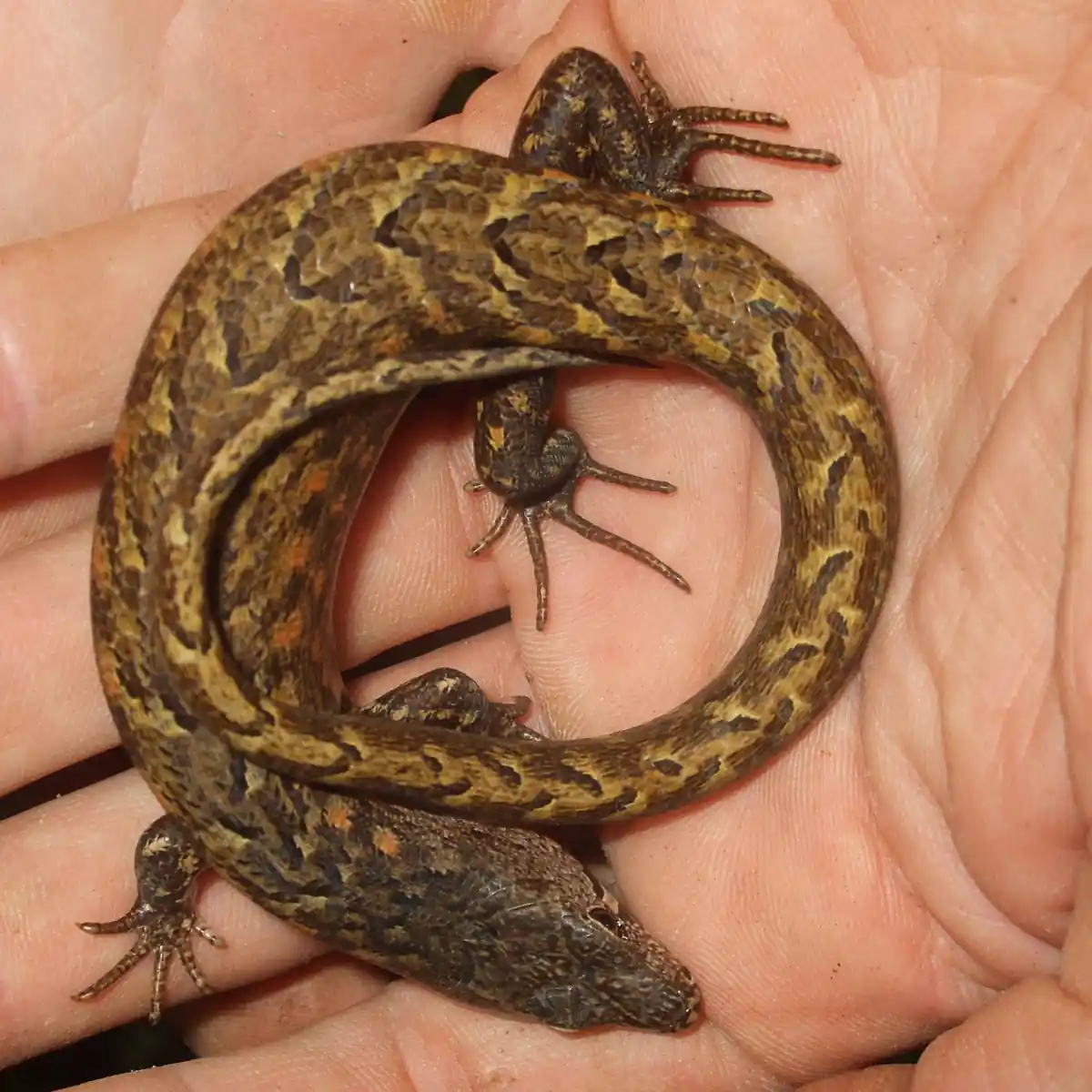
Eleven chevron skinks have been returned to the wild on Aotea, Great Barrier Island, after 30 years in Auckland Zoo’s care. A chevron skink returned wild is a rare piece of good news for anyone who follows native species. A threatened animal is back in the forest of its home island. Its return reflects patient, shared teamwork on behalf of a species under real pressure.
The chevron skink, known in te reo Māori as niho taniwha, is New Zealand’s longest lizard. It can grow to over 30 centimetres from nose to tail. The Department of Conservation (DOC) lists the species as threatened and nationally vulnerable. It is now found only on Aotea and Te Hauturu-o-Toi/Little Barrier Island, both in the Hauraki Gulf. The eleven lizards were released at Glenfern Sanctuary on Aotea in November. DOC announced the return on 23 November. They join ten others released in July at the predator-controlled Glenfern Sanctuary, a regional park open to the public. Together, the two releases bring the total to 21 skinks this year.
For people who follow wildlife recovery, the practical lesson is clear. A zoo population may help rebuild wild numbers when several groups share the work. Iwi, scientists, councils and community members each have a part to play in making the return stick. Annual surveys at the release site, planned by the partners, will check how the skinks are settling in.


Latest from Nature
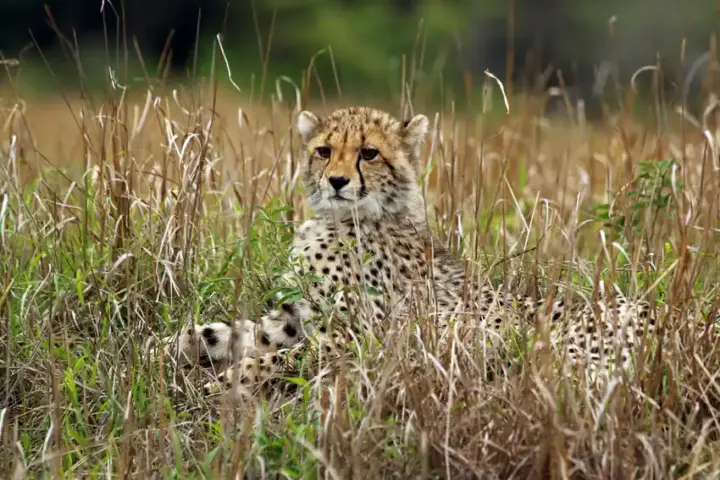
India’s Cheetah Population Rises to 62 as Female From Botswana Gives Birth to Four Cubs in the Wild
At Kuno National Park in Madhya Pradesh, a female cheetah brought from Botswana has given birth to four cubs in the wild. India’s cheetah population rises to 62 with these four cubs.

Par Health Recalls 46 Lots of 6 Injectable Drugs Over Particulate Matter
Par Health Recalls 46 Lots of 6 Injectable Drugs Over Particulate Matter If you work in a hospital, surgery center or pharmacy, we recommend checking your stock today. Par Health is pulling
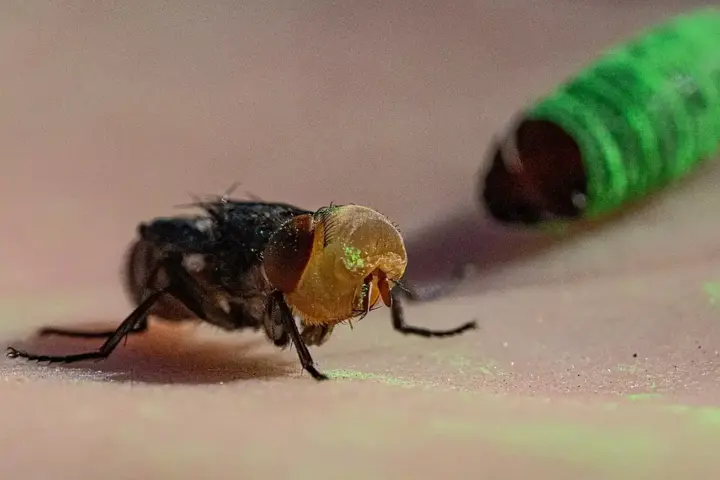
USDA Hires 228 for Sterile Fly Production Facility in Texas
If you raise cattle, horses, or pets in South Texas, New World screwworm is a threat worth watching for. The U.S. Department of Agriculture (USDA) has opened hiring for 228 positions to
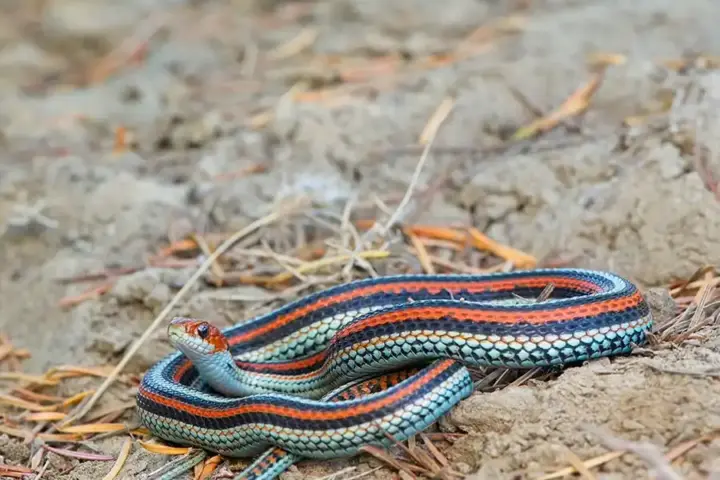
62 Endangered San Francisco Garter Snakes Return to the Wild in Historic First, With 130+ More Coming in 2027
62 Endangered San Francisco Garter Snakes Return to the Wild in Historic First, With 130+ More Coming in 2027 If you have ever worried that a local species is slipping away, this
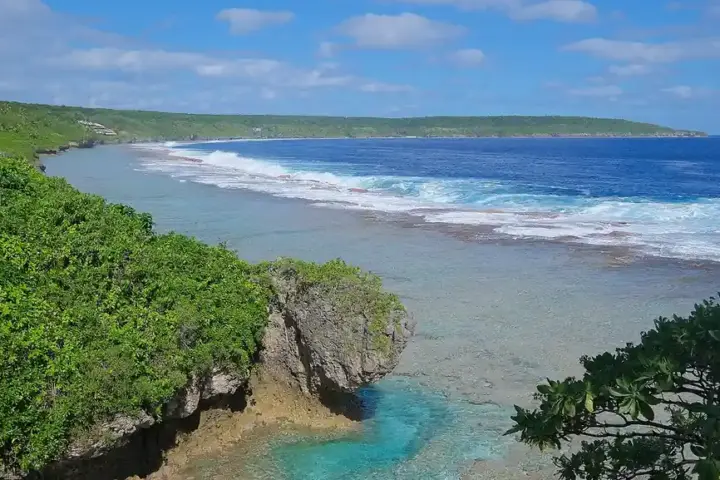
Niue Ocean Earthshot Prize Win Pushes Endowment Fundraising Past Halfway as Fish Biomass Rises 60% Since 2016
Niue Ocean Earthshot Prize Win Pushes Endowment Fundraising Past Halfway as Fish Biomass Rises 60% Since 2016 Marine parks need steady funding to stay protected. Niue, a small island nation in the

AI-Generated Comments Helped Delay Bay Area Heat-Pump Rule, Records Show
Bay Area Board Delays Water Heater Emissions Standard to 2028 for Most Homes If your Bay Area gas water heater still works, you can keep using it. For most residential replacements, the
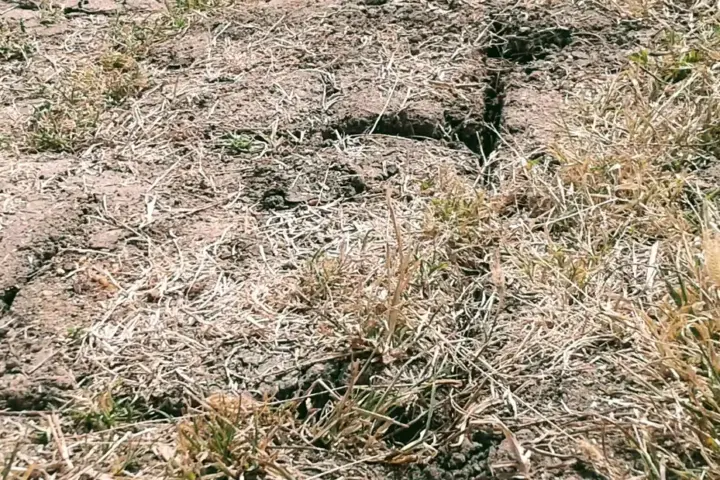
Marathwada Drought Hits Banana and Citrus Orchards as Farmers Face Wider Crop Losses
Marathwada Drought Crop Loss: Why Farmers Uprooted Sweet-Lime Trees in 2024 If you saw reels purporting to show withered banana plants or uprooted mosambi trees, you may be wondering when they were
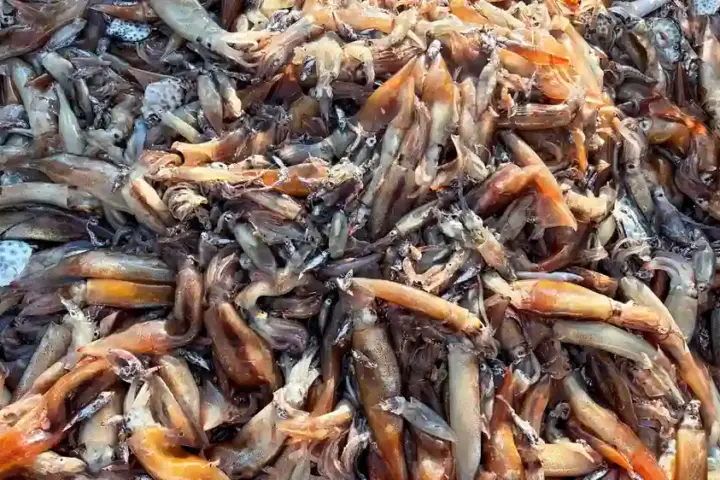
NOAA Ocean Observations Request for 2026 Closes Dec. 15
NOAA Fisheries wants to hear from you. If you spent time on the water in the Gulf of Maine, Georges Bank or the Mid-Atlantic Bight in 2026, tell the agency what you
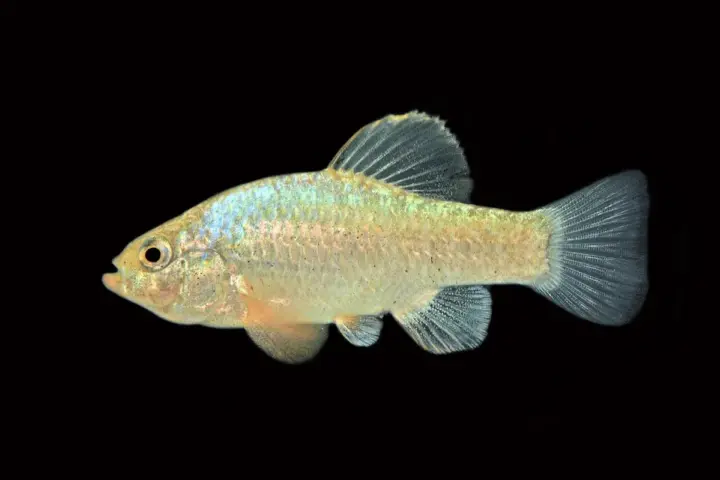
White Sands Pupfish Threatened Status Proposed Under the ESA
A fish about two inches long, found only in south-central New Mexico, has moved a step closer to federal protection. Federal wildlife officials now propose listing it as threatened under the Endangered
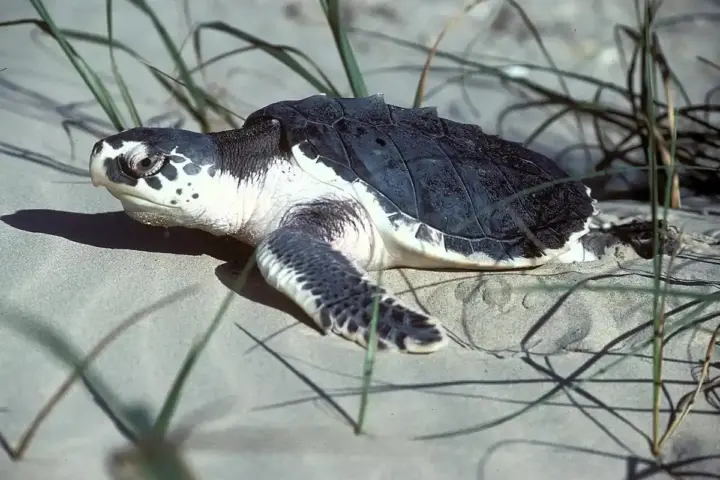
Kemp’s Ridley Sea Turtle Nests Surge 55% on Texas Beaches
Texas beachgoers may see more signs of Kemp’s ridley sea turtle nesting this year. Federal and state partners documented 697 nests along the Texas coast in 2026, up from 449 in 2025.
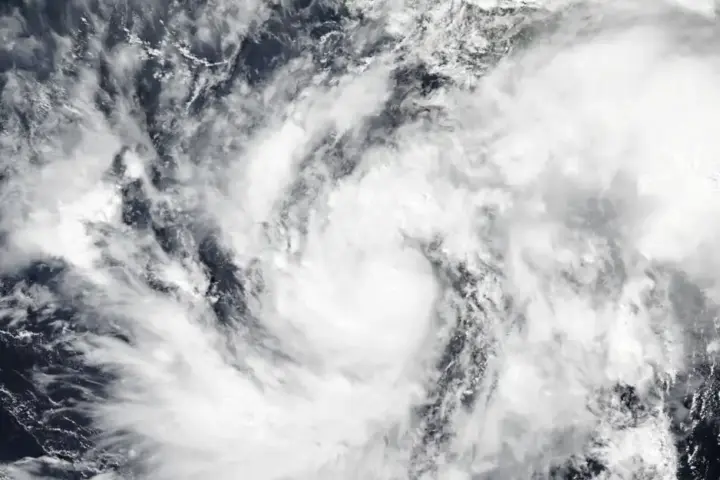
October 2026 Global Temperature Surge: NOAA Logs 2.57°F Largest Monthly Departure As 11 Major Cyclones Form
October 2026 global temperature records arrived together. The month brought the strongest departure from average in NOAA’s 1850–2026 record. It also set a fifth consecutive monthly ocean record and saw tropical cyclone
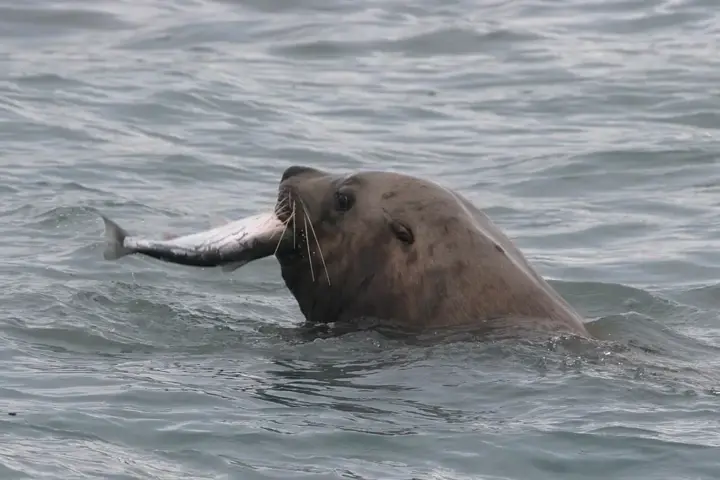
Culling Seals and Sea Lions Won’t Save Salmon, NOAA Study Finds
One question for West Coast salmon managers and anglers is whether removing seals and sea lions from the ocean can help Chinook and coho recover. A NOAA Fisheries and Oregon State University
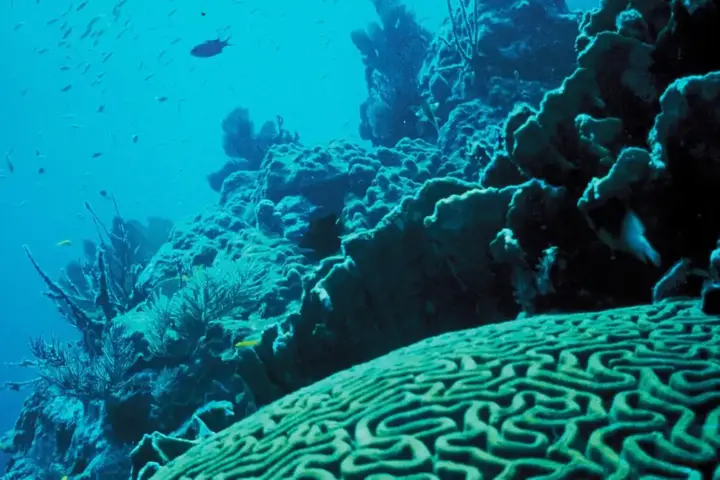
UK Pledges £20M at COP31 to Protect Coral Reefs and Oceans
For people who depend on healthy seas, the UK’s new COP31 funding backs coral reefs and oceans through reef-friendly businesses and better ways for governments to account for ocean health. Announced on
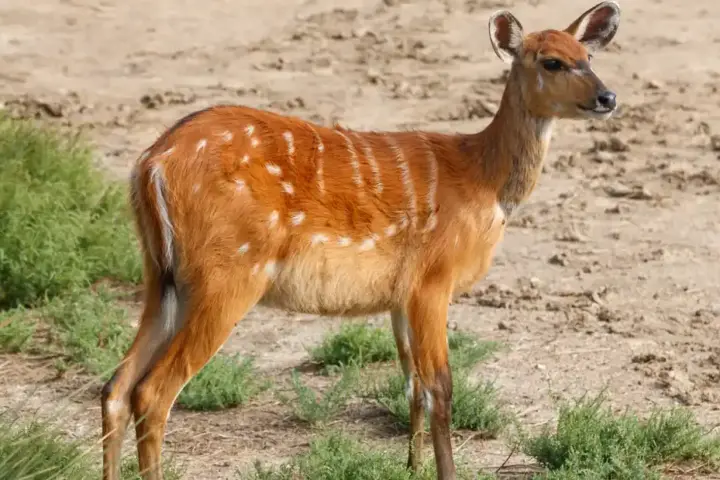
How the sitatunga antelope crosses Africa’s swamps and hides with only its nostrils above water
How Africa’s Semi-Aquatic Sitatunga Hides Almost Entirely Underwater When alarmed, a sitatunga can slip beneath the surface and breathe with only its nostrils above water. Its long, splayed hooves help it cross
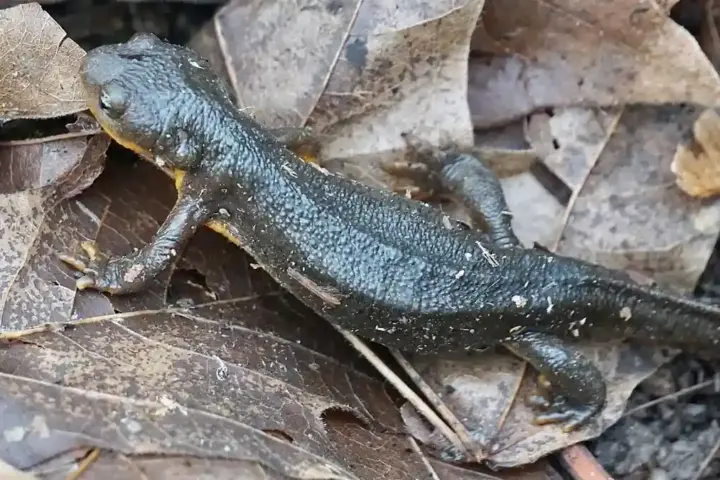
Crater Lake Mazama Newt Faces ‘Endangered’ Listing as 7,000-Year Caldera Refuge Shrinks
If you’re planning a visit to Crater Lake, a federal proposal could affect how the Crater Lake Mazama newt is conserved. It also matters if you follow wildlife protections in the United