India’s Cheetah Population Rises to 62 as Female From Botswana Gives Birth to Four Cubs in the Wild
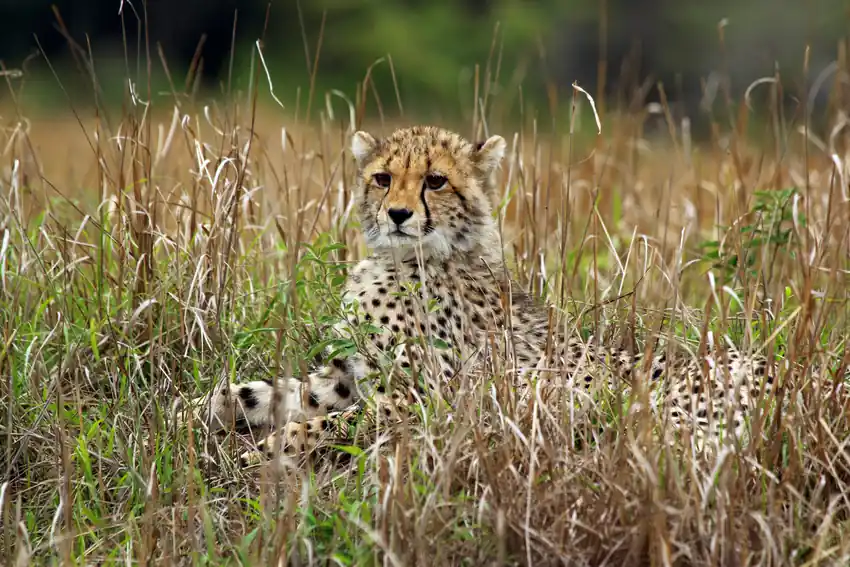
At Kuno National Park in Madhya Pradesh, a female cheetah brought from Botswana has given birth to four cubs in the wild. India’s cheetah population rises to 62 with these four cubs. For a project that began in 2022, the birth is a positive sign of adaptation. One litter alone does not establish that the population is self-sustaining. She had spent more than four months in the wild before giving birth. The birth took place under natural conditions.
The mother is identified as KOMG 3 and is two and a half years old. The Press Information Bureau, the Indian government’s official information service, published the statement on 20 November 2026. It came from Union Minister for Environment, Forest and Climate Change Bhupender Yadav. The birth is among the wild litters recorded since Project Cheetah began on 17 September 2022. That was the day eight cheetahs from Namibia were released at Kuno National Park. Cheetahs have since been brought from several countries, including Botswana, Namibia and South Africa. According to the official figures, 43 of the 62 animals were born in the country.


Latest from India

Supreme Court Asks Uddhav Camp to Explain the Line Between Dissent and Defection
Maharashtra’s Shiv Sena dispute reached a narrow legal question this week: when does disagreeing with your own party become defection? A Supreme Court bench asked the Uddhav Thackeray faction to explain exactly
Congress Leads Rajasthan Panchayat Results as Four Districts Wait Until December 17
Rural voters in most of Rajasthan have new local representatives now, while four districts must wait another month. The State Election Commission moved vote counting for Zila Parishad and Panchayat Samiti seats

US Court Summons Ajit Doval and Samant Goel Through Delhi Courts in Pannun Case
A US federal court has asked Delhi courts to deliver summons for National Security Advisor Ajit Doval and former RAW chief Samant Goel in a civil lawsuit filed by Sikh separatist Gurpatwant

Cyclone Akvan Landfall Update: IMD Puts Odisha Coast on Red Alert as 80,000 Evacuated
Warning sirens sounded in Gopalpur overnight as Cyclone Akvan shifted track northward, putting southern Odisha directly in the storm’s path rather than the Andhra coast where it was first projected to hit.

Cyclone Akvan Landfall: IMD Red Alert as 80,000 Evacuated From Andhra and Odisha
Cyclone Akvan is forecast to make landfall along the Andhra Pradesh–Odisha coast around noon on Friday, November 20, packing sustained winds of 90 to 100 kmph and gusts reaching 110 kmph. The
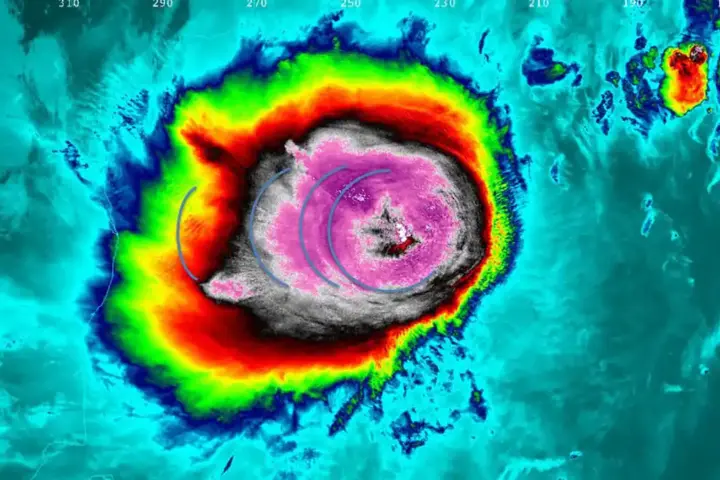
Cyclone Akvan Andhra Pradesh: IMD Tracks Very Severe Storm to Nellore-Tuni Coast by Nov 20
Cyclone Akvan Tracker: IMD Projects Very Severe Storm Crossing Between Nellore and Tuni by Nov. 20 Cyclone Akvan Andhra Pradesh — Coastal communities from Nellore to Visakhapatnam are watching a familiar pattern

Project Vayu’s Classroom Fan Filters Win Diana Award for Student Air Quality Innovation
Project Vayu has earned Diana Award recognition for a low-cost classroom fan-filter approach. What is known, and what still needs independent testing.
Maruti Ignis Recall: Rear Parking Sensor Controller Fails — No Audible Alert Reversing, Free Nexa Workshop Fix
Maruti Suzuki India has issued a voluntary recall covering Ignis hatchback models after a fault was identified in the parking sensor controller assembly that can cause the rear ultrasonic parking sensor to

Cadila Aciloc Recall: Ranitidine vs Famotidine Brand Confusion Risks Patient Safety — Maharashtra FDA Seizes ₹2.45 Cr Stock
Patients and pharmacists across India who dispense or take Cadila Pharmaceuticals’ Aciloc range of medicines should check their stock against an active recall and market withdrawal ordered by the Maharashtra Food and

Aptamil, Cow & Gate, SMA Formula Recall: Batch Numbers to Check Now — Cereulide Toxin Found in 60+ Countries
If you’ve bought Aptamil, Cow & Gate, or SMA powdered infant formula in the past few months, check the bottom of the tin before the next feed. A recall is active across
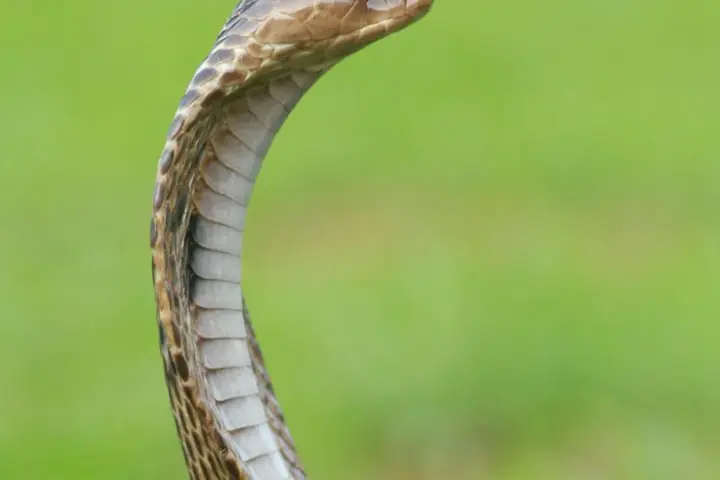
Indian rock pythons are not venomous, but they are protected by law
Indian rock pythons are large snakes, but they are not venomous. The safe approach is to keep your distance and call trained rescue teams rather than trying to handle the snake. The

Gorakhpur potters use electric wheels to make more diyas in less time
Before you buy Diwali lamps this year, consider how they were made. In Gorakhpur, potters are using electric wheels to make clay diyas, the small oil lamps lit at the festival. Local
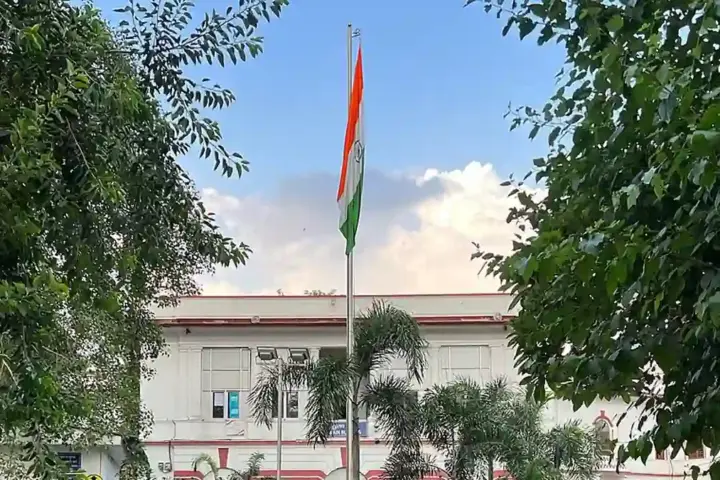
Lawyers called off their Shahdara strike after a transfer, not the suspension they demanded
Lawyers in Delhi’s Shahdara district called off a strike on 28 October after Delhi Police transferred the assistant commissioner of police (ACP) and the station house officer (SHO) at the centre of
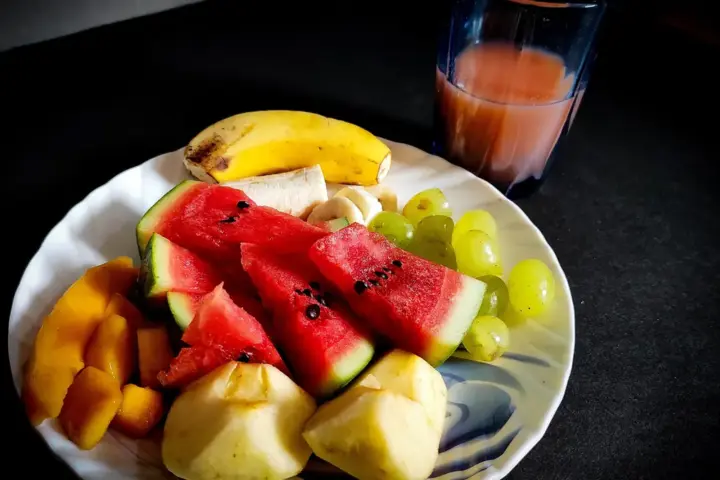
Healthy Diwali Feast Options
Diwali feasts traditionally showcase regional cuisines, seasonal abundance, and recipes passed through family generations. These celebrations center on food as expression of love and prosperity, with each dish carrying cultural meaning alongside

Bhutan Glacial Lake Outburst Raises Flood Alert Along the Sankosh in West Bengal and Assam
A reported glacial lake outburst in Bhutan has raised downstream flood alerts in West Bengal and Assam. Here is how a GLOF works and why cross-border warnings matter.