 Govind Tekale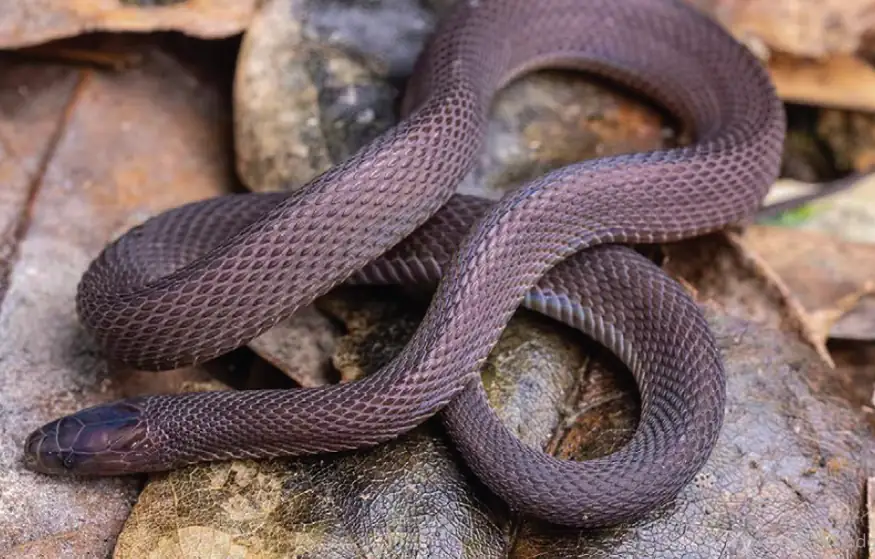
A 17-year-old student contributed to the formal scientific description of a previously unknown snake species, demonstrating that rigorous field collection and formal scientific analysis define modern species recognition.
Hu Jiahao spent more than 40 nights searching for an elusive snake on Kuocang Mountain in Zhejiang Province. His field work yielded a specimen that, after detailed laboratory analysis, was formally described as a new species: Achalinus mirabilis. The species description was published in the peer-reviewed journal Zoosystematics and Evolution in 2026.
Naming a new species requires far more than finding an unusual animal. Scientists must compare physical characteristics (morphology) to all known related species. They must analyze genetic material to determine evolutionary relationships. They must examine historical museum specimens—called type materials—to verify they haven't discovered something already documented. Only after this rigorous process do they submit findings for peer review and formal publication.
For Achalinus mirabilis, researchers used an integrative approach combining three lines of evidence. First, they conducted molecular phylogenetic analysis—DNA sequencing and comparison to related species. Second, they performed morphological comparison, examining physical features like scale patterns, body shape, and size. Third, they examined type material from related species housed in museum collections to ensure no misidentification.
The genetic work revealed that Achalinus mirabilis differed from related species by uncorrected p-distances of 9.5 to 10.9 percent on a specific genetic marker called CO1. That level of genetic divergence, combined with morphological distinctiveness, constituted evidence of a separate species.
The 2026 paper also included reassessment of a related species, Achalinus jinggangensis, further characterizing the relationships among these rarely-studied snakes.
Hu's contribution as a field researcher earned recognition from the Zhejiang Forest Resources Monitoring Center, which cited him as an important contributor to the research.
The discovery demonstrates how species identification works in practice. Field effort provides the specimen, but formal recognition requires laboratory analysis, comparison to existing species, genetic examination, peer review, and publication in an established scientific journal.