 Karmactive Staff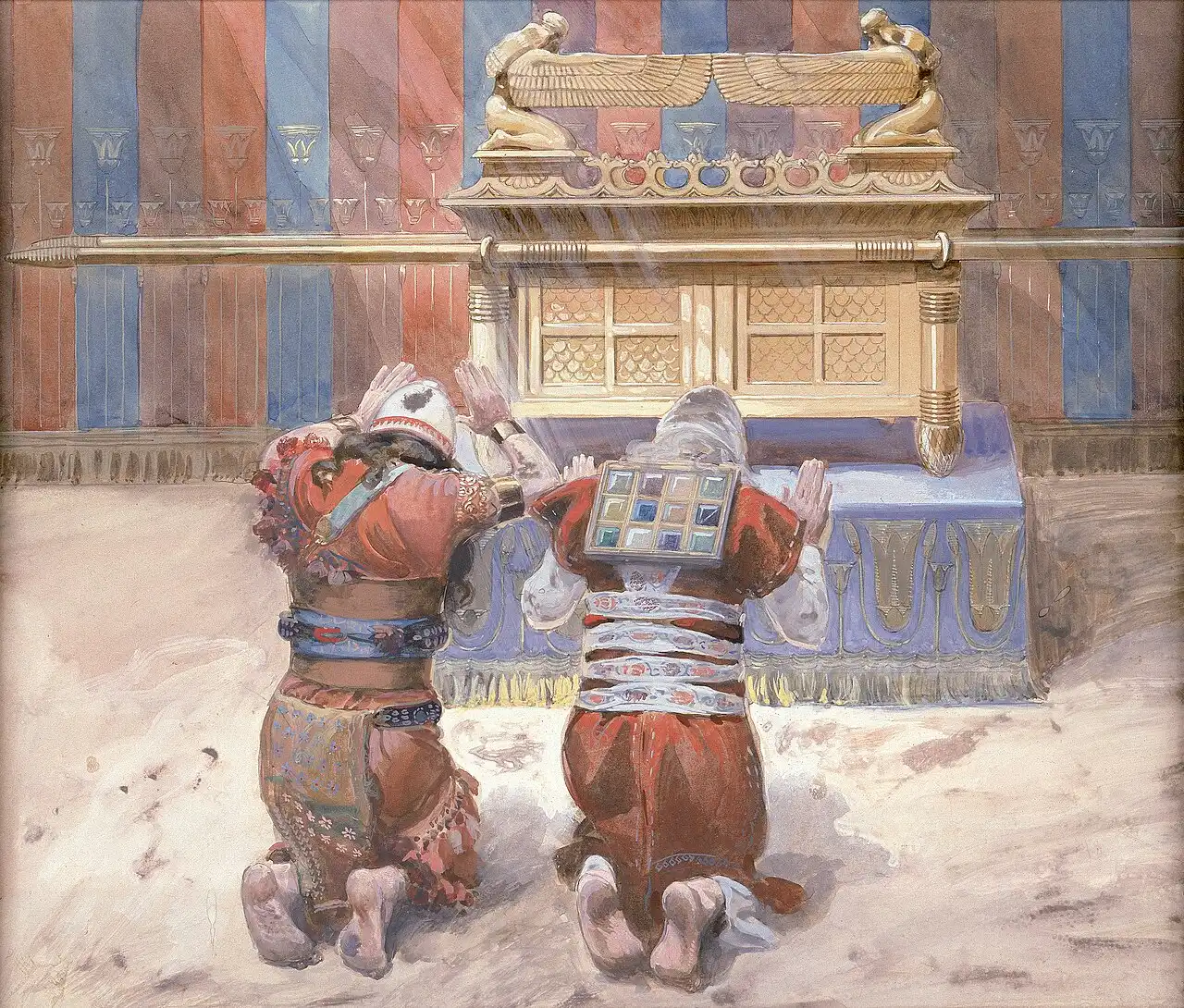
Archaeologists excavating the ancient site of Shiloh in Israel have uncovered the southern wall of a large monumental structure that may be connected to one of the most storied locations in the Bible — the place where the Ark of the Covenant was once kept.
The Associates for Biblical Research (ABR) wrapped up their eighth season of excavations at Tel Shiloh in June 2026. The results are drawing attention from scholars and historians around the world.
What Did They Find?
The centerpiece of this season’s dig is the southern wall of a substantial Iron Age I building. Its east-west orientation and overall proportions closely match the biblical description of the Tabernacle — the portable sanctuary that, according to scripture, once housed the Ark of the Covenant.
For readers unfamiliar with it, the Ark of the Covenant was a sacred chest described in the Hebrew Bible as containing the stone tablets of the Ten Commandments. It was among the most revered objects in ancient Israelite religion. Shiloh is described in the Bible as the place where it rested for generations before being captured and later lost to history. The Ark itself has not been found.
The artifacts discovered in and around the monumental structure add to the picture. Researchers uncovered altar horns — objects used in ancient Israelite religious worship — along with ceramic pomegranates, which were symbolic priestly items. They also found murex shells. These sea snails were used in antiquity to produce a rare, expensive blue-purple dye called tekhelet, which the Hebrew Bible associates with the garments worn by priests. The presence of these shells at this specific location is considered significant by the excavation team.
Three large Canaanite storage jars were also found, still containing charred remains of olives, wheat, and lentils — a snapshot of daily life preserved for roughly 3,000 years.
Three Dig Areas, One Complex Story
The excavation covers three distinct zones. One focuses on the site’s gate complex. Another centers on the monumental structure described above. The third is Area D, home to what archaeologists call a favissa — essentially a ritual disposal pit where sacred objects were buried when they were no longer in use. Priests in the ancient world could not simply throw away holy items, so they buried them ceremonially instead.
Separately, excavators also uncovered additional walls from Shiloh’s northern fortification system, along with artifacts from the Second Temple period — roughly 516 BC to 70 AD. These later finds come from a different part of the site and represent a distinct phase of Shiloh’s long history. Like other landmark discoveries, they remind us how much history remains buried underfoot.
A Site With Deep Roots
Shiloh has a layered past. It was first established around 1700 BC during the Middle Bronze II period, expanded around 1600 BC, and was continuously occupied until roughly 1070 BC. It was later rebuilt during Iron Age II, between 980 and 587 BC. The site sits in the West Bank region of modern-day Israel.
No one is claiming the Tabernacle has been definitively identified. The evidence is suggestive, not conclusive. But for a site already rich in history, each new season adds another piece to a puzzle that has fascinated researchers for generations. Exploration — whether on Earth or beyond — keeps rewriting what we know.