 Tejal Somvanshi
A groundbreaking study published in iScience journal in July 2026 has largely solved one of Renaissance history’s greatest medical mysteries: researchers from Yale University and the University of Pisa have confirmed the presence of Plasmodium falciparum — the deadliest malaria parasite — in the 400-year-old rib bones of Francesco I de’ Medici and his daughter Bianca de’ Medici.
The finding effectively clears the Medici family’s long shadow of suspected arsenic poisoning — a theory that had persisted for 440 years in historical accounts. A third family member, Giovanni de’ Medici, was found to carry a novel strain of the parasite, suggesting malaria variants were circulating widely in Renaissance Florence.
How the Research Was Done
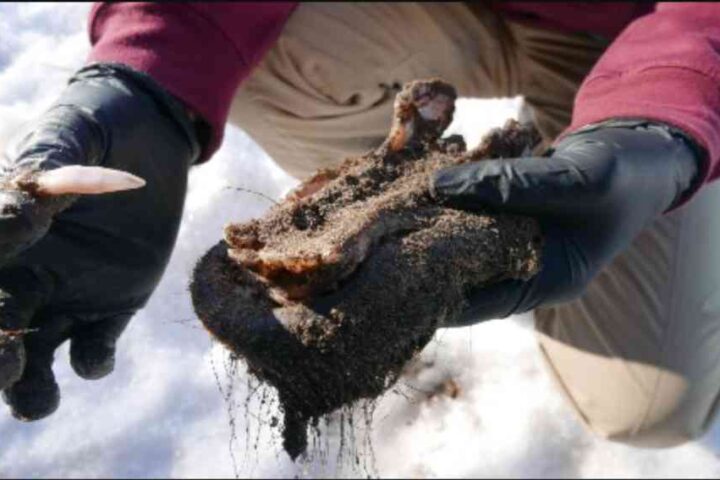
Ancient DNA analysis allowed researchers to extract and sequence genetic material from the Medici remains — a technically challenging process given the age and condition of the specimens. The team identified Plasmodium falciparum DNA through high-resolution genomic sequencing, confirming active infection at the time of death.
Lead researcher Ochoa acknowledged that arsenic cannot be completely ruled out as a contributing or coincidental factor — arsenic was commonly used medicinally in Renaissance-era Italy — but stated that malaria was the primary confirmed pathogen in both Francesco and Bianca’s cases. Full study details are available at Yale University’s news page.
Why This Matters
The CDC classifies P. falciparum as responsible for the majority of malaria deaths globally today. Finding it in Renaissance Europe challenges assumptions about the disease’s historic distribution and the health conditions facing even the continent’s wealthiest and most powerful families.
Francesco I de’ Medici, Grand Duke of Tuscany from 1574 to 1587, died suddenly in October 1587 at the age of 46, as did Bianca, his second wife, within a day of him. The simultaneous deaths had fuelled centuries of poison conspiracy theories — a chapter of history now substantially rewritten by DNA science.