 Sonali Tiwary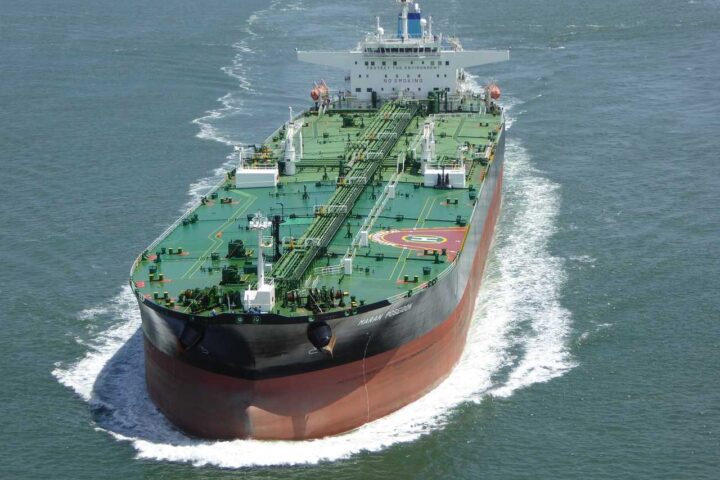
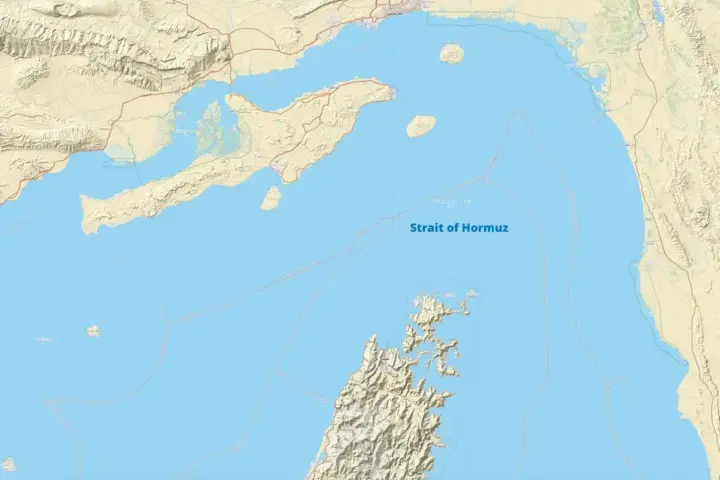
India issued an emergency directive on July 23, 2026, prohibiting Indian-flagged merchant ships from transiting the Strait of Hormuz — one of the world’s most critical oil shipping chokepoints — after at least 46 verified attacks on commercial vessels since February 28, 2026, resulting in the deaths of 14 seafarers of multiple nationalities.
The crisis escalated sharply in early July. On July 11, 2026, the bulk carrier GFS Galaxy was struck, killing an Indian marine engineer. Three days later, on July 14, the tanker Bahyah came under attack with 12 Indian nationals aboard — at least one of whom was killed.
Scale of the Crisis
The International Maritime Bureau (IMB) has verified 46 attacks on commercial shipping in and around the Strait of Hormuz since the crisis began on February 28, 2026. The International Maritime Organization (IMO) has issued multiple urgent alerts calling for maximum vigilance in the region.
The Strait of Hormuz is the transit point for approximately 20% of the world’s traded oil. Disruption to shipping there has global energy market implications — Bloomberg has reported oil price volatility directly linked to the ongoing crisis.
U.S. Military Response
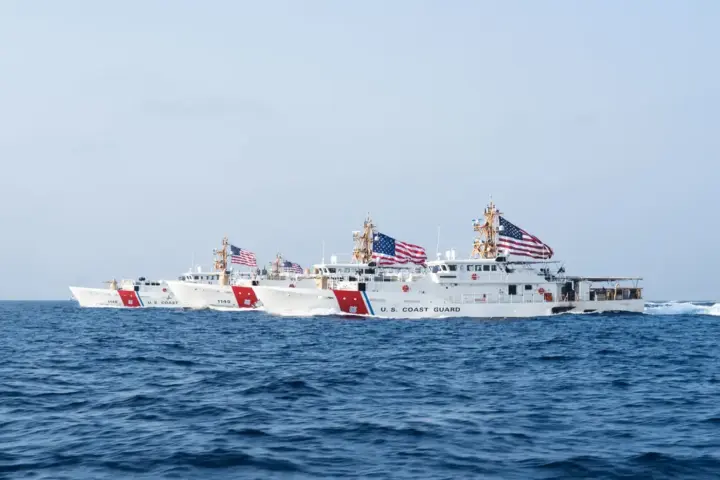
The United States military struck Bandar Abbas port — Iran’s primary Gulf port — as part of a broader response to the shipping attacks. The United Nations Security Council has called emergency sessions to address the escalating maritime conflict, though formal resolutions have been blocked by vetoes.
India’s Official Stance
India’s Directorate General of Shipping and the Ministry of External Affairs jointly issued the ban, citing the unacceptable risk to Indian seafarers. India has approximately 240,000 merchant marine officers and ratings — the largest national seafarer workforce globally — making the Hormuz crisis a matter of direct national concern.
The ban marks a significant diplomatic and economic statement: India imports roughly 85% of its oil, much of it transiting through or near the Strait of Hormuz.