 Rahul Somvanshi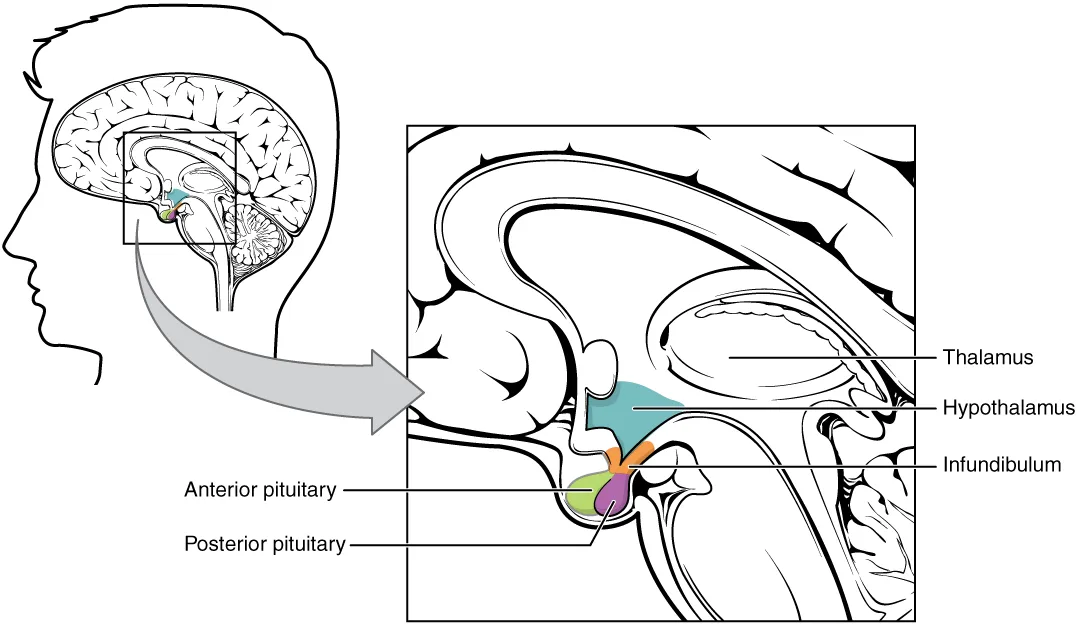
Estimated reading time: 2 minutes
Why do some people keep pushing toward their goals even when the work becomes harder and harder? Scientists at Nagoya University in Japan discovered the brain mechanism that answers this question. The research, published in the Proceedings of the National Academy of Sciences, identifies specific brain cells that translate the promise of a reward into sustained effort.
The cells are called orexin neurons, and they sit in a brain region called the hypothalamus. These cells do more than most people realize. Beyond regulating sleep, appetite, and energy balance, they also control the drive to keep working toward what matters to you.
The research team, led by Associate Professor Hiroyuki Mizoguchi and Professor Emeritus Kiyofumi Yamada at Nagoya University’s Graduate School of Medicine, studied rats working on tasks that required increasing effort to earn food rewards. As the work got harder, the researchers watched orexin neurons respond by changing their activity levels. Orexin neuron activity encoded reward prediction and increased with greater effort, suggesting the brain mechanism converted reward expectations into persistent action.
Here’s what the researchers discovered: artificially activating orexin neurons increased motivation for rewards. The rats showed higher breakpoints and worked harder to earn food. Activity increased during reward prediction and decreased after food was delivered. When an expected reward did not appear, however, orexin neuron activity remained high. Conversely, when researchers examined rats whose orexin neurons had been selectively degenerated, motivation decreased significantly. This demonstrated a direct causal link between orexin neuron function and reward-seeking behavior.
Scientists used cutting-edge techniques to make these discoveries. They employed chemogenetics to manipulate orexin neurons, fiber photometry to measure their activity in real time, and optogenetics to control neurons with light. These tools allowed researchers to answer questions about motivation that had stumped scientists for years because previous technical challenges made it difficult to target specific neurons in rats with temporal precision.
Why does this matter? Motivation problems characterize several serious conditions. People with depression struggle to initiate tasks or persist when activities become difficult. Those with addiction fight sustaining long-term goals. Understanding how orexin neurons regulate motivation could lead to new treatments for conditions characterized by motivational deficits, including loss of motivation or challenges in sustaining goal-directed behavior.
Researchers haven’t finished investigating. The next step is mapping the brain research circuits that connect to orexin neurons—understanding what sends signals to these cells and where their signals go. By unraveling these connections, scientists hope to develop targeted treatments that restore motivation in people whose brain chemistry makes goal-directed behavior difficult.
The discovery highlights how much remains unknown about the brain. A small group of scientific research cells can hold answers to why we persist or quit, try harder or give up. Understanding these mechanisms gives us insight into human behavior at its most fundamental level.