 Karmactive Staff

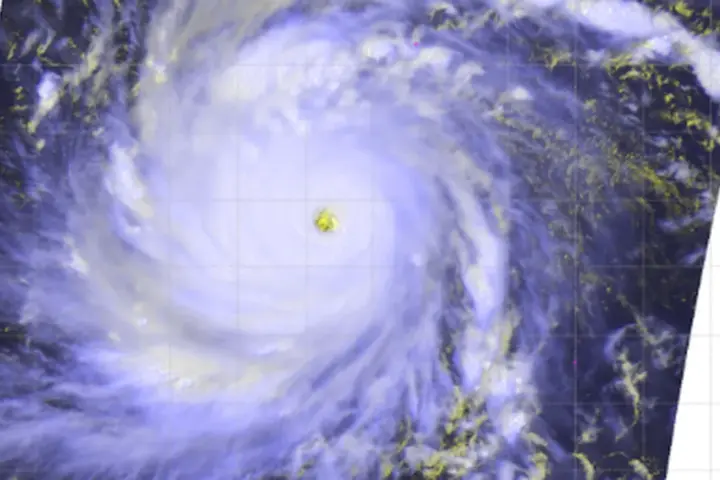
Typhoon Champi brought strong winds and rain to Taiwan on October 23, causing flight cancellations, injuries and widespread disruption across the island. If you have travel connections through Taiwan or contacts there, the warning status and transport situation have continued to change since early reports—what matters now is current disruption, not the original forecast track.
Typhoon Champi hit Taiwan on October 23, 2026, with its wind and rain field affecting much of the island. Taiwan’s Central Weather Administration (CWA) issued and tracked warnings through the event. Injury reports changed significantly as the response developed—figures of 94, 350 and higher were each reported at different points and reflect different reporting windows, not a single verified total. Airlines and airports issued cancellation advisories for flights in and out of Taiwan during the active warning period. Taiwan flight cancellations affected both domestic and international services, with Taoyuan and Kaohsiung airports issuing operational updates.
Even as Typhoon Champi weakens or moves past Taiwan, the storm’s outer wind and rain field can keep disrupting flights, rail services, roads and coastal transport for hours after the main warning period ends. Passengers with connecting flights through Taiwan should check directly with their airline for current status rather than rely on storm track forecasts, which apply to the centre of the system—not the broader area of disruption it causes.
Recovery Status and Ongoing Disruption
Taiwan’s typhoon response is coordinated through the Central Emergency Operation Center alongside local fire and emergency authorities. Official casualty data comes through these emergency service channels, which is why figures updated frequently through the event as different areas reported in at different times.
Power outages occurred across parts of Taiwan during the storm. Restoration timelines depend on damage assessment by utility providers after the warning period clears. This pattern of lingering disruption mirrors what followed Typhoon Dujuan’s heavy rain and flight cancellations near Tokyo and the coastal damage from Typhoon Danas, the first storm to make a direct west Taiwan landfall in 39 years.
For international travellers, Taiwan flight cancellations during an active CWA typhoon warning are standard protocol. Resumption depends on the CWA downgrading or withdrawing the warning—not simply on the storm’s distance from an airport. Flight operations typically resume within 12 to 24 hours of warning withdrawal, though this varies with any ground infrastructure damage. Passengers holding connecting tickets through Taiwan should contact their carrier for current options.
Champi injuries will be confirmed through official Taiwan emergency services data once the response phase stabilises. The typhoon’s projected track after Taiwan included possible impact on southern Japan.
Did Typhoon Champi make landfall in Taiwan? According to available tracking information, the storm’s wind and rain field affected Taiwan directly during the October 23 event. Precise landfall determination—whether the storm centre crossed land—is established by CWA meteorological data. The disruption to roads, flights and coastal areas was consistent with a direct and significant impact.
Typhoon Champi warning status continues to be updated by the CWA as the storm moves. Injury counts, power restoration figures and transport recovery timelines will be confirmed through official Taiwan emergency service communications. Check back as authoritative figures are released.