Tejal Somvanshi
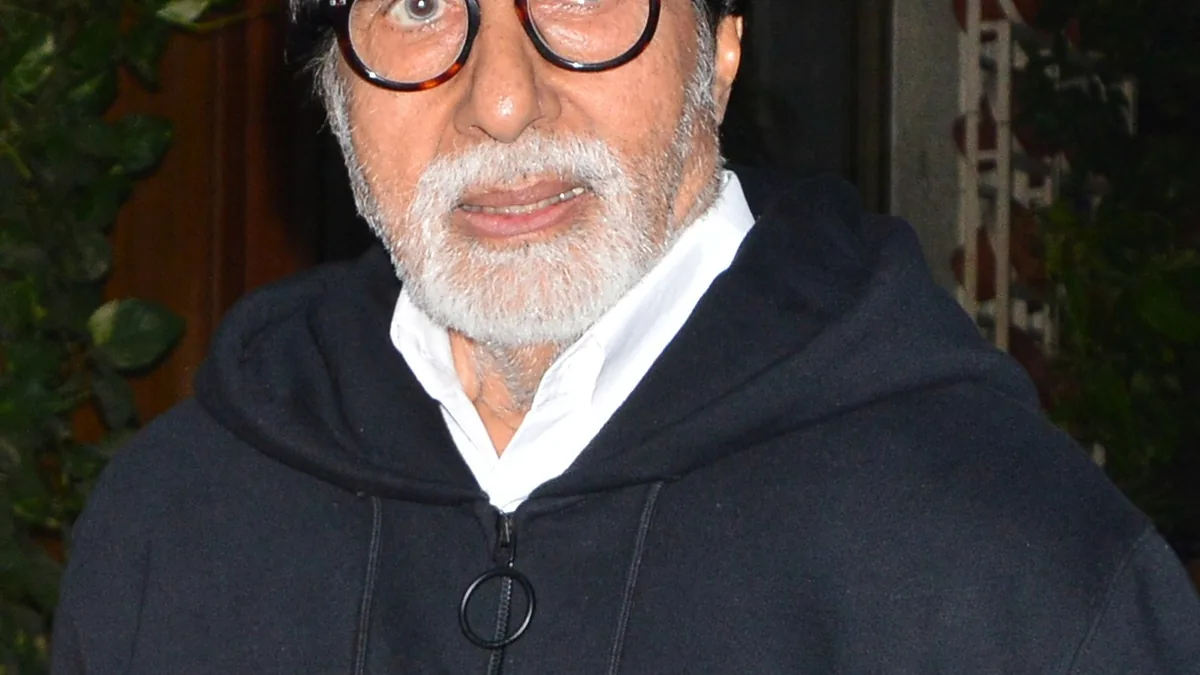
Bollywood legend Amitabh Bachchan told followers on October 21 that he had been advised to rest and recuperate for several days, leaving him unable to maintain his usual written updates. He’s 84 years old and one of India’s most prolific stars, still active across platforms with millions of followers. The news sent searches spiking — but it also raised a question a lot of people have been wondering about: does stepping away from your phone and social media actually do anything for your mental health?
A major scientific review published on NIH PubMed Central screened 2,578 studies and narrowed it down to 10 controlled trials — seven of which were randomized controlled trials — covering a combined 2,503 participants. The researchers wanted to know whether intentionally cutting back on social media use had any measurable effect on mental health.
The answer is: it depends on what you’re measuring.
Depression Dropped, But Not Everything Else
For depression specifically, the results were clear. People who reduced or stopped social media use showed a statistically significant drop in depressive symptoms — a standardized mean difference of -0.29 on the clinical scale used, with a p-value of 0.01. In plain terms, that means the improvement was statistically meaningful. Critically, the studies were consistent with each other (I² = 20%), which adds confidence to the finding. Separate research on teen screen time above two hours a day has linked heavy use to anxiety and cognitive decline, reinforcing the pattern.
But for other things people expect unplugging to fix — general stress, life satisfaction, overall well-being — the science didn’t back it up. Changes in those areas were not statistically significant across the trials.
Researchers have suggested that reducing social comparison and making more time for offline activities may help explain the benefits, though the precise biological pathways remain uncertain.
You don’t need to quit cold turkey to see a benefit. Individual trials within the review found that cutting daily social media use by just 15 to 20 minutes — or taking a dedicated 7-day break — was enough to move the needle. The World Health Organization puts the global number of people affected by depression at 280 million, with another 301 million affected by anxiety disorders. WHO has reported a 13% rise in mental health conditions and substance-use disorders over a recent decade. For a different take on stepping back from public pressure, Prince Harry has spoken about his own experience with depression following a major life change.
Amitabh Bachchan stepping back on medical advice is a personal decision — but the clinical evidence suggests that even a modest, intentional break from the feed can do something real, at least for people dealing with depression.