 Sunita Somvanshi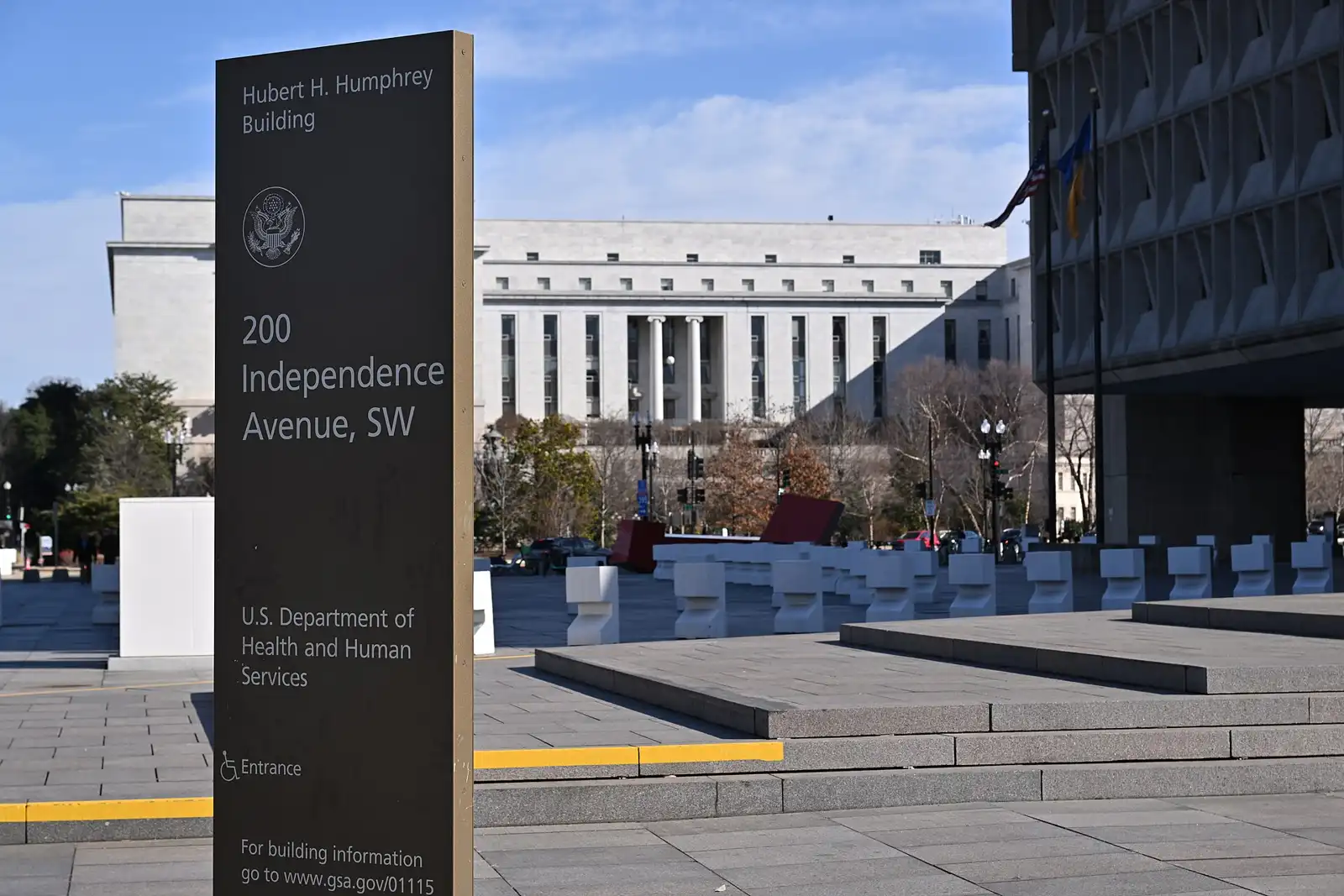
Estimated reading time: 2 minutes
The federal government has decertified an organ procurement organization in Kentucky after investigators found evidence of repeated safety failures. The action represents one of the most significant federal enforcement measures taken against a transplant provider in recent years.
Network for Hope, based in Richmond, Kentucky, was decertified by the Centers for Medicare & Medicaid Services following an extensive federal investigation. The organization had failed to implement required patient safety protocols despite multiple opportunities to correct documented problems.
The catalyst for federal action involved TJ Hoover, a Richmond, Kentucky man who survived after organ donation preparations were stopped when medical staff observed signs of life. Hoover’s case dates to October 2021, but it only reached Congress in September 2024, when former Kentucky Organ Donor Affiliates staff testified before a House Energy and Commerce subcommittee. Those whistleblower accounts sparked the broader federal investigation that revealed systemic problems, and the House Ways and Means Oversight Subcommittee returned to the issue in a December 2025 hearing on organ procurement organization accountability. At the August 5 press conference, federal officials stated: “TJ, we are grateful that you’re here, and we’re grateful to those physicians who had the courage to do the right thing. TJ’s story is a powerful reminder that every safeguard exists for a reason.”
Federal investigators announced immediate reforms aimed at preventing future failures. All organ procurement organizations nationwide must now appoint a Patient Safety Officer responsible for real-time monitoring of patient safety events. These officers serve as primary contacts for families and hospital partners, document and report incidents to the Organ Procurement and Transplantation Network, lead root cause analyses, and ensure corrective actions are implemented.
Kentucky state lawmakers had already passed organ transplant safety legislation effective in July 2025. The law allows any staff member involved in transplant procedures to halt operations if they have questions or concerns, and it clarifies consent requirements for organ donation.
Network for Hope announced it strongly disagrees with the decertification and intends to appeal the decision. The organization maintains it has been working to address federal concerns. However, the government’s assessment found repeated failures despite extensive oversight and multiple opportunities to correct problems.
The decertification marks one of the most significant federal enforcement actions taken against an organ procurement organization in recent years. Concerns have been raised over continuity of organ procurement services during the transition period, with the Centers for Medicare and Medicaid Services and HRSA monitoring the organization closely during the interim process.
Medical oversight failures of this magnitude warrant serious examination of transplant system healthcare failures and accountability mechanisms.