Rahul Somvanshi
How Internet-Connected Freezers Impact Food Waste and Gut Health
The Pentagon is investigating suspected cyberattacks that caused freezer failures at six or more U.S. military base commissaries in late August 2026. The investigation comes after hackers pushed hundreds of French supermarket freezers to 50 degrees Celsius (122 degrees Fahrenheit) overnight on October 11 to 12, spoiling tons of meat, dairy, and produce. The attacks on Carrefour, Intermarché, Monoprix, and Coopérative U stores in France triggered equipment overheating and fires. U.S. investigators are now collaborating with French authorities through the Army Criminal Investigation Division, the Defense Criminal Investigative Service, and the Defense Commissary Agency, which operates 235 military grocery stores worldwide.
For military families and patients with sensitive digestive health, cold-chain sabotage is more than an inconvenience. It is a direct health hazard. When freezers are covertly pushed into warm defrost cycles, bacteria multiply rapidly before spoilage becomes obvious. Furthermore, when commissaries dump tons of ruined fresh produce and lean meats, households are pushed toward shelf-stable, ultra-processed foods, compounding nutritional challenges for those managing bowel cancer treatment, post-polyp surveillance, or chronic gastrointestinal conditions.
How Internet-Connected Freezers Impact Food Waste and Gut Health
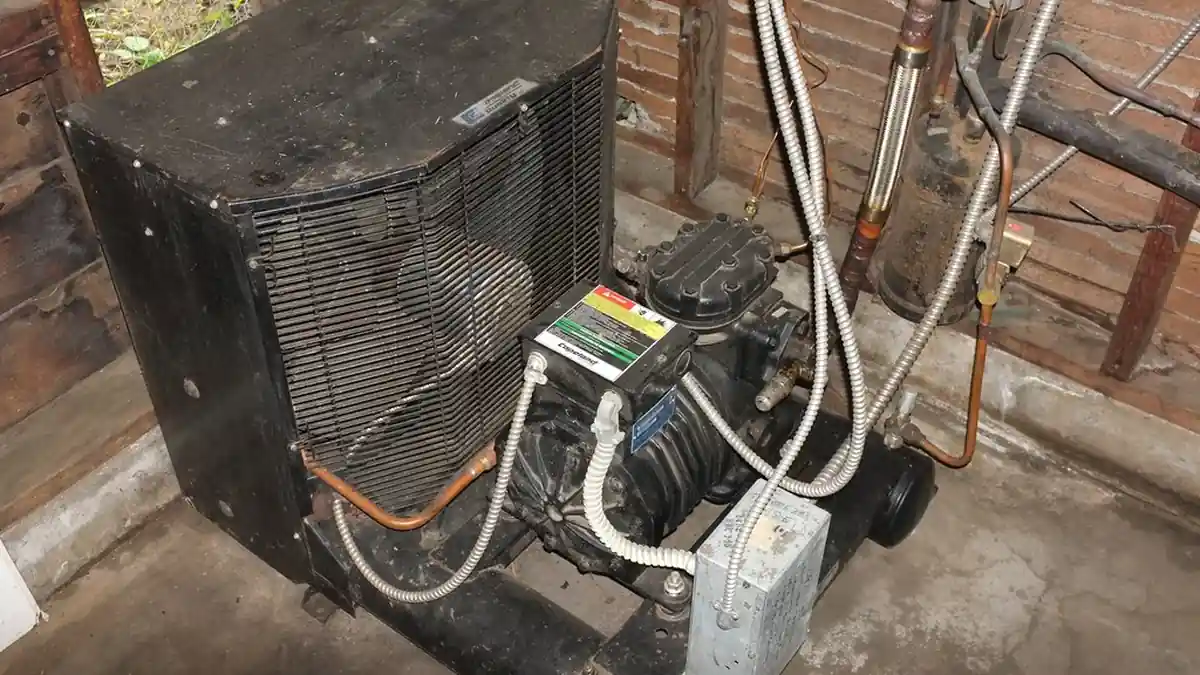
The French Computer Emergency Response Team (CERT-FR) and the UK National Cyber Security Centre identified the vulnerability. Commercial refrigeration controllers from Danfoss, Copeland, and Dixell were exposed directly to the public internet. These supervisory controllers allow remote manipulation of physical heating and cooling states. Network telemetry from IPinfo identified 2,528 publicly exposed Danfoss StoreView interfaces across 73 countries, including 1,331 in France and 101 in the United States. Several legacy controllers used a predictable authentication flaw where the admin password automatically updated daily to the current calendar date.
Walk-in freezers use built-in electric heating coils to run brief defrost cycles that melt ice buildup off cooling evaporators. Store operators connect these digital controllers to the internet so technicians can monitor temperatures remotely. When left unsecured, hackers can hijack those controls, lock the defrost heaters on, and disable high-temperature alarms. The forced defrost cycles heated insulated walk-in freezers to 50 degrees Celsius (122 degrees Fahrenheit), causing massive electrical surges, compressor burnout, fires, and the destruction of thousands of pounds of high-emissions animal protein across hundreds of retail and military sites. The spoiled meat and dairy were landfilled or incinerated, generating significant food waste emissions.
Consistent access to fresh, high-fiber produce and unspoiled lean protein at Defense Commissary Agency stores is vital for military families. Oncology guidelines link reliance on processed, nitrite-preserved shelf-stable meats to higher colorectal risk and recovery complications during fresh-food supply disruptions. When base commissaries lose fresh meat, produce, and dairy to freezer sabotage, military families are forced toward shelf-stable ultra-processed foods and cured meats, the exact dietary triggers cited by clinical oncology studies for rising early-onset bowel cancer challenges, alongside acute foodborne gastrointestinal risks for colorectal patients.
While headlines frame the Pentagon probe as a sophisticated military breach, the underlying hardware vulnerability is shockingly mundane. Refrigeration controllers built by vendors like Danfoss and Copeland were left connected directly to the public internet so HVAC technicians could adjust temperatures from home. Some systems used the current calendar date as a daily rotating default password. Even after hundreds of French supermarkets had their freezers cooked at 122 degrees Fahrenheit (50 degrees Celsius) in mid-October, network scans still found 101 identical Danfoss interfaces openly accessible across the United States.
Why do commercial freezers have internet connections and heating elements? Commercial walk-in freezers use built-in electric heating coils to run brief defrost cycles that melt ice buildup off cooling evaporators. Store operators connect these digital controllers to the internet so technicians can monitor temperatures remotely. When left unsecured, hackers can hijack those controls, lock the defrost heaters on, and disable high-temperature alarms.
The Army CID, DCIS, and French ANSSI investigators are working to confirm whether the August U.S. base outages and October French supermarket attacks share the same IP logs or threat actor. Military families should check frozen and refrigerated commissary items for signs of thaw-and-refreeze crystal formation and avoid partially thawed meats.