Karmactive Team
A 17-person research team from Purdue University and the Archaeological Legacy Institute arrived at Nikumaroro Island in the Pacific on October 12, 2026, beginning what expedition leaders describe as the most targeted underwater search yet for Amelia Earhart's missing Lockheed Electra 10-E aircraft. No wreckage has been identified. The team is investigating a specific underwater anomaly in Nikumaroro's lagoon that satellite imagery identified.
The expedition traveled five days aboard the Marin Mainiku, a Kiribati National Shipping Line vessel, departing from the capital Tarawa. The team includes maritime archaeological dive specialists and remote sensing analysts. Their focus is a formation called the Taraia Object—a submerged anomaly first visible in a 2015 satellite image that was analyzed and brought to researchers' attention in 2020. In the view of expedition researchers, its shape resembles features of a Lockheed Electra 10-E. Earhart and navigator Fred Noonan disappeared on July 2, 1937, during their attempted circumnavigation of the globe. Their last known radio position placed them near Howland Island, roughly 400 miles north of Nikumaroro. Purdue University was Earhart's institutional home and employer.
Aviation historians, maritime researchers, and archaeology enthusiasts face a potential, though not guaranteed, resolution to decades of investigation as Purdue University's expedition commences underwater excavation. Observers tracking historic recovery missions should monitor official Purdue Research Foundation dispatches rather than social media speculation over satellite anomalies. The expedition's findings will either produce tangible physical evidence to analyze against Earhart's Lockheed Electra 10-E, or reclassify the Taraia Object as natural lagoon debris.
What Makes This Search Different From Previous Expeditions
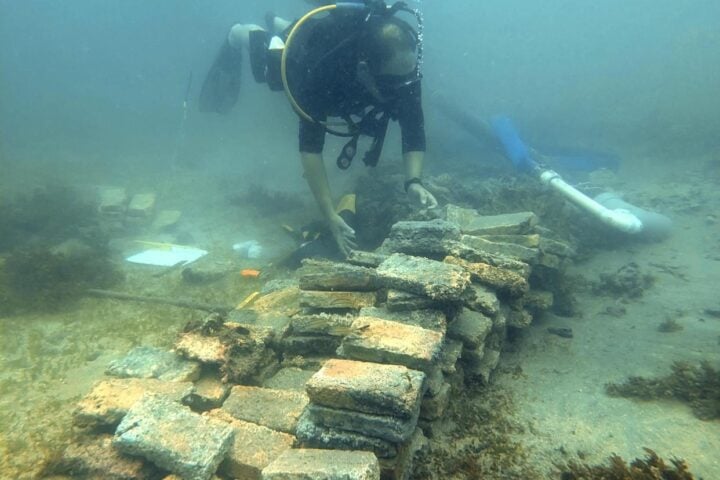
Previous major expeditions, including oceanographer Robert Ballard's 2019 effort, focused on the deep ocean surrounding Nikumaroro, searching the abyssal depths where the aircraft might have sunk. Those expeditions found nothing conclusive. This expedition targets the island's shallow interior lagoon, not the open ocean. The Taraia Object sits in sheltered water accessible to divers, which means results come from direct physical inspection rather than sonar interpretation.
The scientific divide over what the object actually is centers on a competing explanation from veteran researcher Ric Gillespie of TIGHAR, who has investigated the Nikumaroro castaway hypothesis for decades and considers a fallen tree a more likely explanation for the anomaly. The Purdue expedition's purpose is to produce physical evidence that settles that disagreement—or confirms it.
If divers recover metallic debris, the next step is forensic comparison: alloy composition, rivet patterns, and structural measurements would need to match the documented specifications of Earhart's specific aircraft, a Lockheed Electra 10-E. A shape resembling an aircraft outline is not aircraft identification. The expedition has been careful not to claim discovery in its pre-departure statements.
Purdue University's archive of Earhart records and research materials and the history of previous Nikumaroro expeditions provide the deeper investigative background.
The expedition is expected to complete its dive schedule and return to Tarawa in late October 2026. Preliminary findings will be reported when the Purdue Research Foundation issues its official field dispatch. Check back here for coverage of those results.