Rahul Somvanshi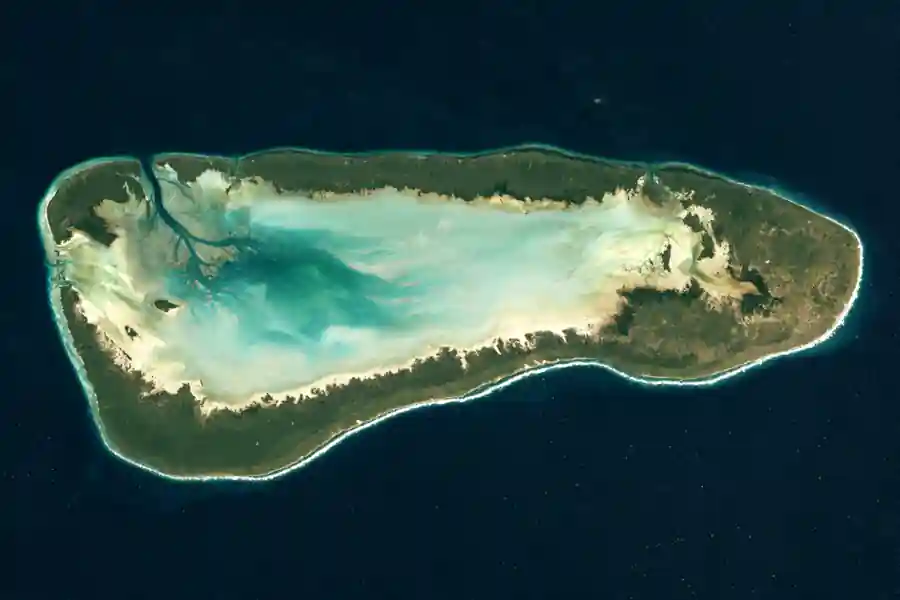
Campaigners in Seychelles, the Bahamas, Puerto Rico and Jamaica have joined a cross-island call for stronger scrutiny of large tourism and coastal-development projects. Their concerns differ by location, but they share questions about public consultation, environmental review, coastal access and who benefits from development.
The coalition brings together groups working on projects near Aldabra in Seychelles, Sampson Cay in the Bahamas, Cabo Rojo in Puerto Rico and contested coastal-access issues in Jamaica. The campaigns’ allegations are not findings of wrongdoing; each proposal is subject to its own planning process, permits and legal framework.
Four places, different proposals
In Seychelles, the debate concerns development near the Aldabra atoll, a UNESCO World Heritage property known for its biodiversity. UNESCO’s listing describes Aldabra’s global conservation significance.
In the Bahamas, Save Exuma Alliance has challenged elements of a proposed resort development on Sampson Cay. In Puerto Rico, the proposed Esencia development in Cabo Rojo has prompted protests and public debate over scale, water, infrastructure and environmental effects. In Jamaica, “Beach Inna Bondage” has become associated with campaigns for public access to beaches and coastal accountability.
Are these projects all the same? No. They involve different jurisdictions, land ownership, permits and proposed uses. What connects the campaigns is a shared demand that environmental evidence, community consultation and public access be taken seriously before projects proceed.
Tourism can create jobs and revenue for island communities, while poorly planned development can place added pressure on water, coastal ecosystems and public infrastructure. A credible assessment needs project-specific environmental documents and a clear account of local costs and benefits.
The cross-island campaign puts visibility on local disputes that often receive little international attention. The strongest way to assess its claims is through public permit records, environmental-impact studies, court decisions and responses from the relevant authorities and developers.