 Sonali Tiwary
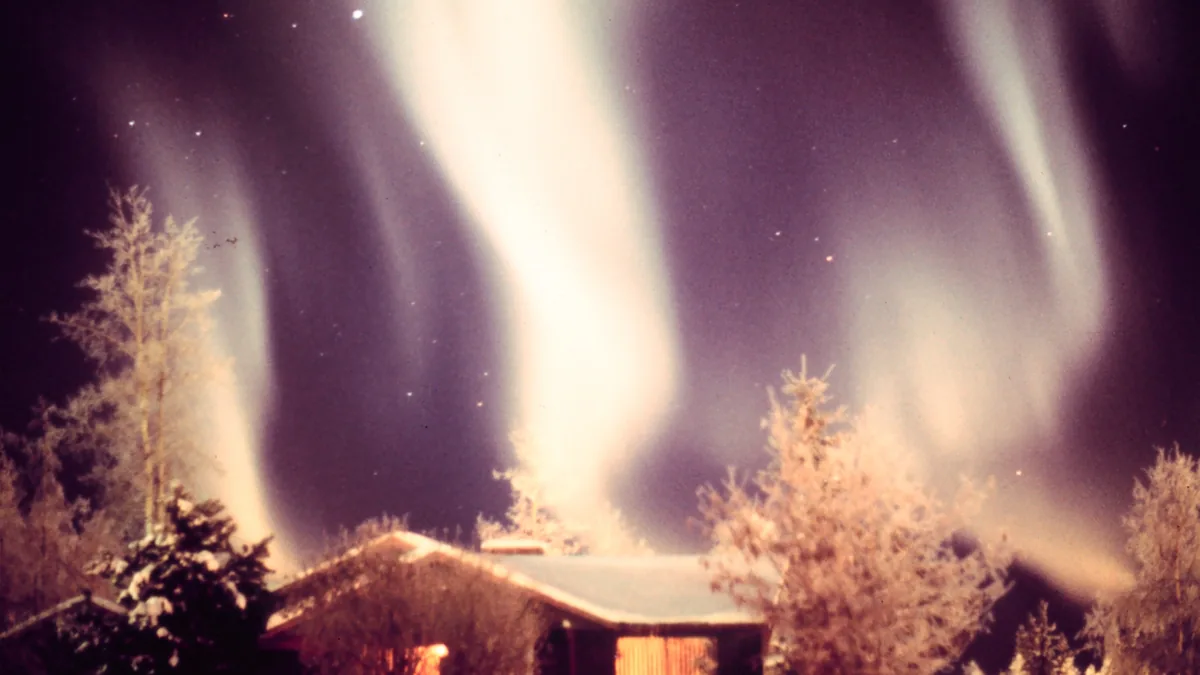
For over 150 years, history books recorded the same story: a powerful solar storm disrupted a train on England’s Exeter line on October 18, 1841. Scientists from several institutions recently took a closer look — and they found the story had a typo at its core.
The fix mattered. A lot.
A Line That Did Not Exist Yet
Researchers from Lancaster University, RMIT University, the British Geological Survey, Natural Resources Canada, Baylor University, and RAL Space analyzed the original 1871 Nature paper that first reported the train disruption. The paper described a geomagnetic storm powerful enough to delay the 10:05 p.m. train from Exeter by 16 minutes. The only problem: the Exeter-to-Starcross railway line didn’t open until 1846. In 1841, the train simply couldn’t have been delayed on a line that didn’t yet exist.
The study was led by Professor James Wild of Lancaster University, with Associate Professor Brett Carter of RMIT University among the researchers who investigated the historical archives. Cross-referencing historical railway timetables from the Trewman’s Exeter Flying Post, auroral observation records, and digitized geomagnetic data led the researchers to conclude the event most likely occurred on October 18, 1848 — seven years later than the 1871 paper claimed. The study was published in the AGU journal Space Weather. Similar anomalies have shown up closer to home too: Karmactive’s earlier coverage of a severe S4 solar radiation storm, the strongest since 2003, documented how modern alerts track these events in near real time.
Moving the Exeter event to 1848 reshuffled the historical timeline. The earliest credible documented report of space weather disrupting human technology is now the March 1847 geomagnetic interference with Britain’s Midland Railway telegraph system — not a train signal delay, but a disruption to communication infrastructure that was, even then, critical to running the railways.
What This Means for Today’s Infrastructure
Prof. Jim Wild of Lancaster University put the bigger picture plainly: “What this research highlights is that space weather is not a new threat but a long-standing natural hazard. Society has been experiencing the effects of space weather on technology for almost as long as electrical technologies have existed.”
The 1859 Carrington Event — widely regarded as one of the most powerful geomagnetic storms in the historical record — knocked out telegraph systems across Europe and North America. Operators reported receiving shocks from their equipment. Auroras were visible as far south as Hawaii and Central America. Telegraph lines carried electric current without batteries because the geomagnetic disturbance was supplying it directly. A separate case of infrastructure strain under extreme conditions, UK train derailments during heatwaves when heat buckles rails, shows railways remain vulnerable to environmental extremes well beyond space weather.
The research also provides historical evidence that may help scientists better understand the vulnerability of modern power grids, rail signaling networks, and satellite systems to geomagnetic disturbances.