 Rahul Somvanshi
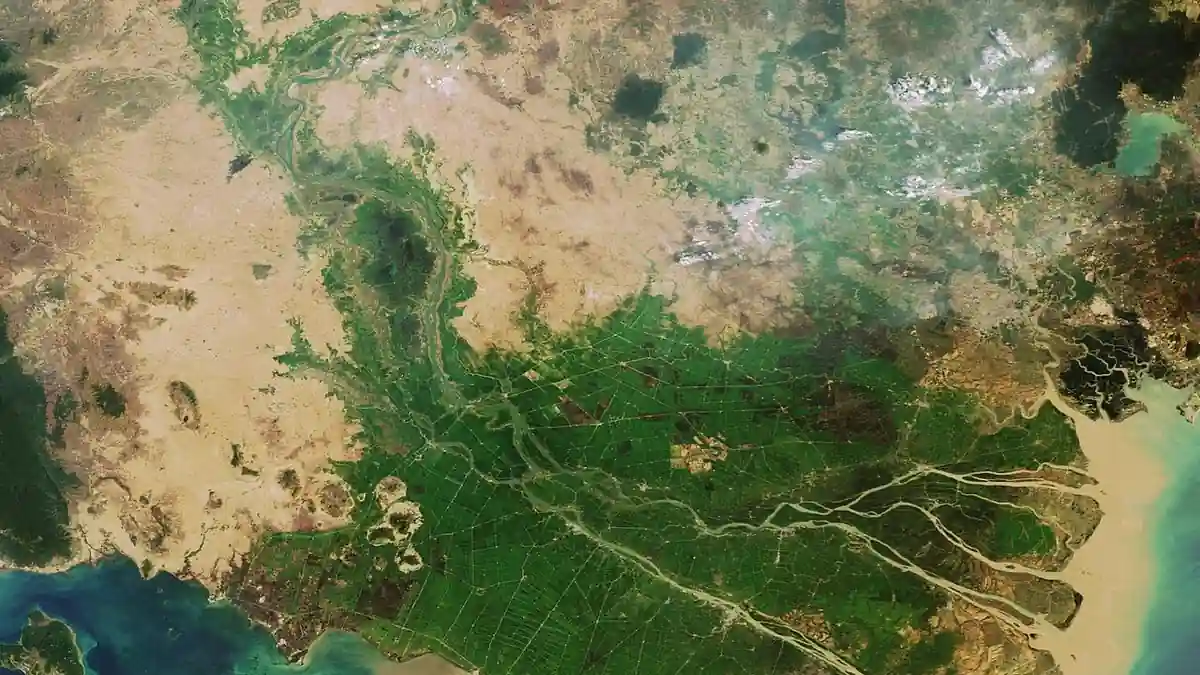
In Vietnam’s Mekong Delta, a project combines shrimp, crab and fish farming with mangrove protection and restoration. It had installed 43 of 45 planned recirculating aquaculture systems, and aims to restore 18 hectares of mangrove forest inside coastal dykes.
The Mekong Delta mangrove aquaculture project was reported by IUCN on November 19, 2026, following a conference in Can Tho City on November 14. The project, called “Strengthening Coastal Resilience in the Mekong Delta through Mangrove Restoration and Nature-Based Solutions,” is funded by The Coca-Cola Foundation. The 43 systems installed so far are for 23 households in Ca Mau Province and 20 in Can Tho City. Can Tho University’s multi-species model reports a yield of 3.5–4.5 kilograms of white leg shrimp per cubic metre, replenishes 10%–20% of the water per crop cycle, and minimizes chemical and antibiotic use.
For seafood buyers and coastal communities, the university model offers an example of how water reuse and reduced chemical use can support aquaculture. The project aims to help farmers develop higher-value, traceable seafood and improve competitiveness in domestic and export supply chains. It also aims to combine farming with mangrove restoration to diversify livelihoods and help sustain ecosystems.
Mekong Delta mangrove aquaculture pairs shrimp with fish and seaweed
The Can Tho University system combines white leg shrimp with Nile tilapia, biofilter media and Gracilaria seaweed. Biofilter media provide surfaces where organisms can help treat waste in the water. In this model, tilapia and seaweed are part of the same multi-species system, which reuses water and reduces pelleted feed use.
The model reports productivity of 3.5–4.5 kg of white leg shrimp per cubic metre. It replenishes 10%–20% of the water during each crop cycle and minimizes chemical and antibiotic use. The project update does not specify how the figures vary between farms or crop cycles.
43 systems installed, with an 18-hectare mangrove restoration target
As of November 2026, 43 of the project’s planned 45 recirculating aquaculture systems had been installed, reaching 96% of the target. Installation support covered 23 households in Ca Mau Province and 20 in Can Tho City. The project’s mangrove restoration target is 18 hectares of forest inside the dyke.
The project also includes pilot digital tools, such as digital maps of farming areas and digitized water-quality monitoring data, and aims to support seafood traceability and competitiveness in domestic and export supply chains. The update does not provide specific monitoring results, export volumes or income figures. The project aims to link aquaculture with mangrove protection and restoration.
At the November conference, IUCN and the Can Tho Department of Agriculture and Environment brought together nearly 100 people from government agencies, science groups, development organisations and aquaculture communities. The project links these local efforts with the goal of using technology and circular practices to improve resource use in coastal production.
Digital work is also part of the project’s next phase. The update describes pilot maps of farming areas and digitised water-quality results. These tools can help farmers and managers use environmental information in production decisions. IUCN says they also provide a basis for more traceable products and smarter aquaculture management, although the update does not yet report farm-level results from those pilots.
Two systems remain in the 45-system installation target. The completed installations show how a model built around water reuse, natural feed and mangrove restoration can be put into practice across multiple households. Its value will depend on how it performs over future crop cycles and whether the remaining systems are completed.