England Farmland Wildlife Schemes Hit 2.2 Million Hectares: Only Part of the Story

England Agri-Environment Indicator: Farmland Under Wildlife-Positive Scheme Actions Reaches 2.2 Million Hectares in 2025
Are farm payments actually helping the bees, birds and hedgerows near you? A new England agri-environment indicator suggests more farmland is being managed under wildlife-focused actions, but the figure covers only part of the land in agri-environment schemes, and only a minority of the land used for farming.
The Joint Nature Conservation Committee (JNCC), the UK public body that advises governments on nature, published the new indicator on 17 November 2026. It is an official England statistic called “Area of land in agri-environment schemes”. Agri-environment schemes are government-backed payments that reward farmers for managing land in ways that help nature. The 2.2 million hectare figure counts only the farmland managed under 34 wildlife-focused actions, which are a subset of the wider schemes. Across all agri-environment schemes in England, the total area was 6.1 million hectares in 2025. The 2.2 million hectares in 2025 equals about 24% of England’s farmed land, which is roughly 9.3 million hectares. The denominator varies slightly between sources, so treat the percentage as approximate. In 2023, the indicator showed 0.86 million hectares.
For anyone who cares about wildlife, this gives a simpler test of farm policy. You no longer need to judge a scheme by its name. You can follow one number over time. The jump from 0.86 million to 2.2 million hectares is large, but the series is short and the methodology is still under development, so the 2023 to 2025 comparison may span changes in how the figure is calculated. Treat the trend as a starting point. The government’s England Biodiversity Indicators page hosts the statistic, so that is the place to check future updates.


Latest from Environment

Only About 30% of Climate-Resilient Coral Reefs Are Protected, New Study Finds
Six Countries Join Science-Led Global Coalition to Protect Climate-Resilient Coral Reefs at COP31 If you live near a coral reef, or rely on one for fishing or tourism, you have probably wondered
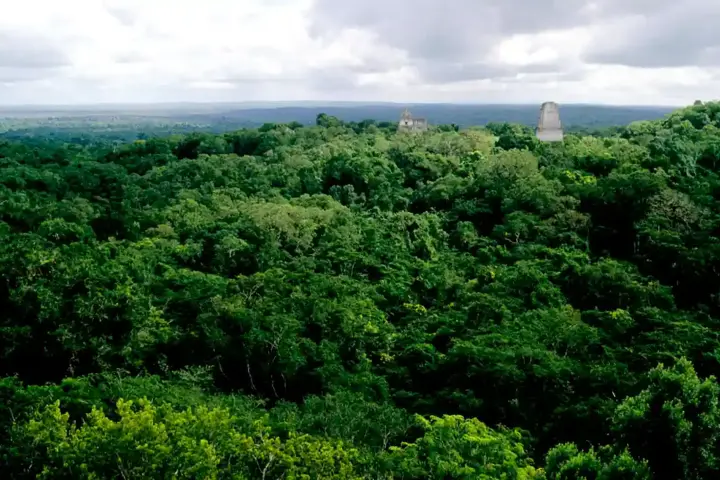
Belize Maya Forest Corridor gets 3,500 acres: ‘This is not a sale’
Bridging the Gap Between Two Belize Protected Areas Jaguars and other wide-ranging animals need forest they can actually reach. Belize’s government has just handed more than 3,500 acres to a conservation trust,
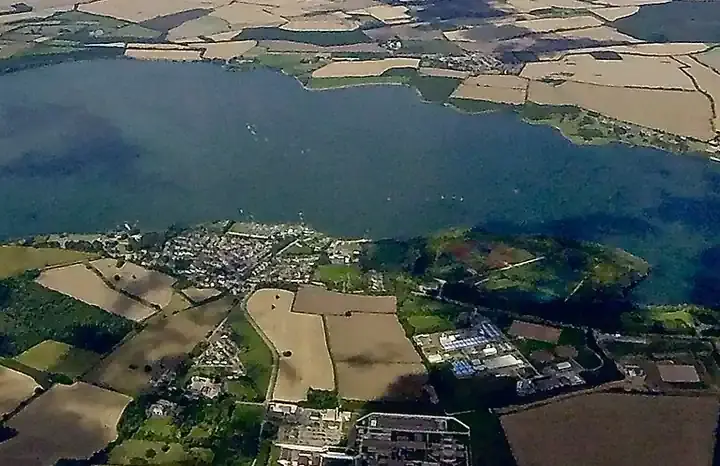
Cambridgeshire Water Resilience Plan Approved for 2026-2031
If you live, work, or plan to build in Cambridgeshire and Peterborough, water is now part of the planning conversation. The Cambridgeshire water resilience plan covers 2026 to 2031 and sets out
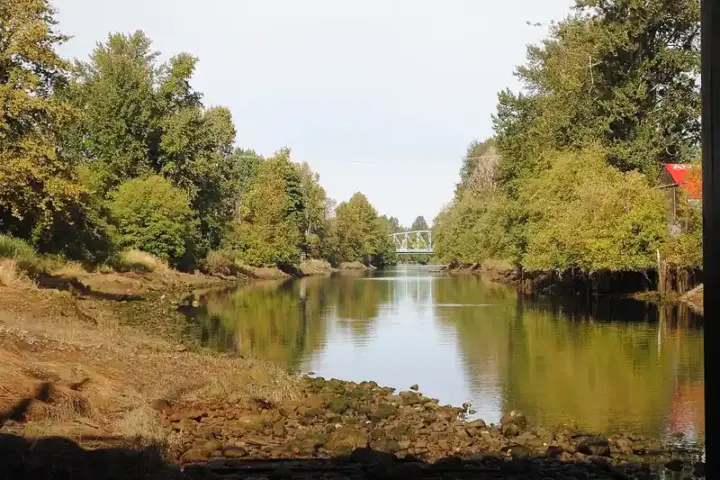
Eastern Vancouver Island Flood Watch Upgraded as South Coast Faces Coastal Flooding Risk
An Eastern Vancouver Island Flood Watch is now in place, and drivers across the BC South Coast could face road closures with little warning. Residents and commuters need to know which areas
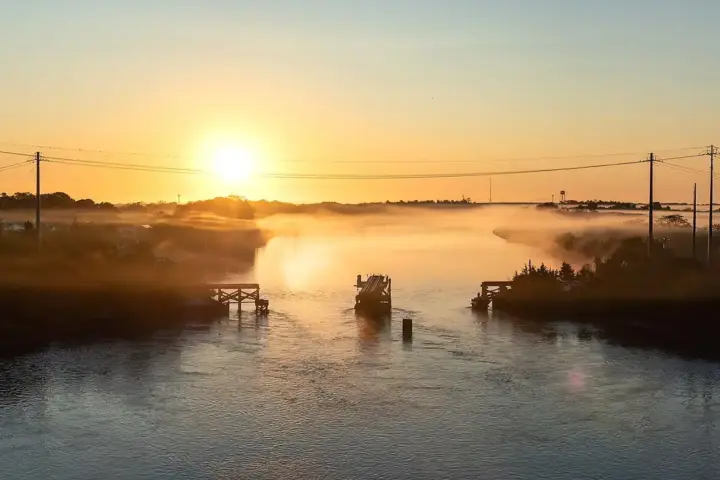
Thanksgiving Coastal Storm 2026: 70 MPH Gusts and Potentially Historic Crests From NC to NYC
The Thanksgiving coastal storm 2026 East Coast forecast could disrupt holiday travel and dinner plans from North Carolina to New York City. Damaging winds and flooding at the Thursday morning high tide
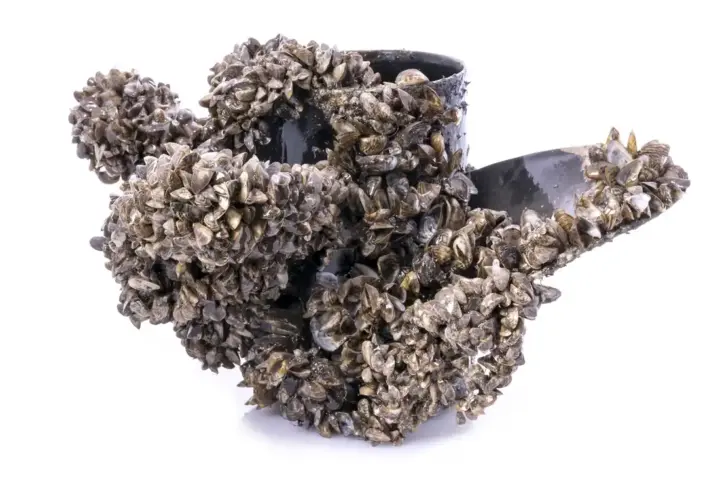
Manitoba Border Inspections Deny Entry to 9 Mussel-Fouled Watercraft in 2026 as 27% Fail Clean, Drain, Dry Checks
If you tow a boat, kayak, or other watercraft north from North Dakota into Manitoba, you could be stopped at the Emerson-Pembina crossing. Canadian officers inspected 871 watercraft there during the 2026
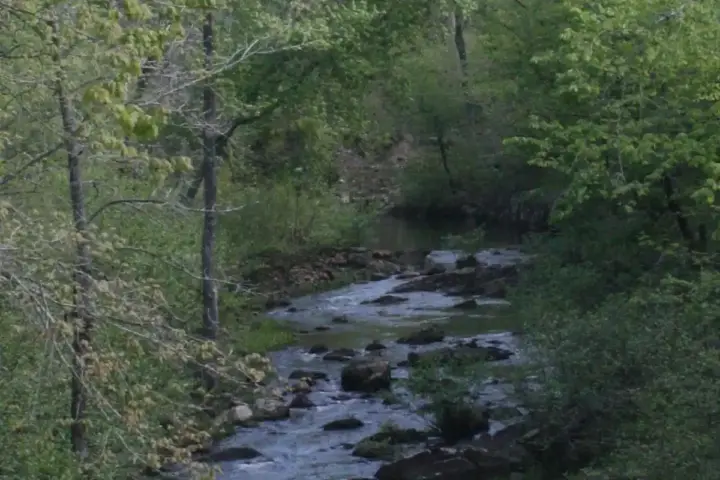
Peppered Shiner Endangered Species Proposal Covers Only 258 Saline River Miles
If you fish the Saline River, farm near it, or rely on its water, a new federal proposal may affect you. The peppered shiner endangered species proposal came from the U.S. Fish
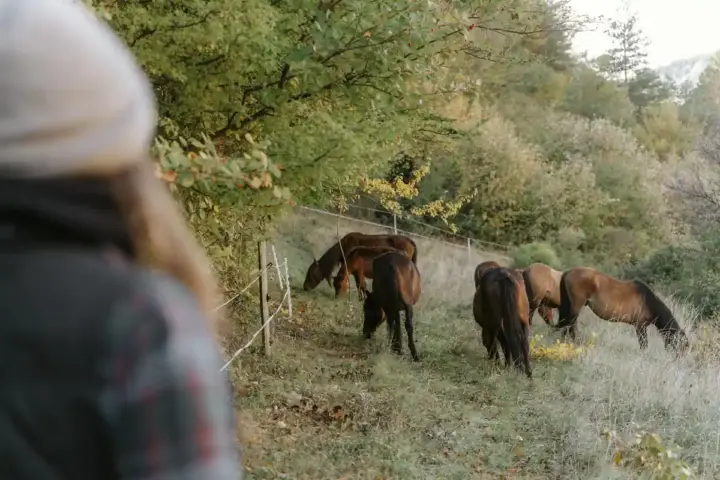
Ten Rewilding Horses Reach French Alps “Model Site” After 20-Hour Trip for Natural Grazing
Ten Semi-Wild Horses Settle Into 170 Hectares of Dauphiné Alps Rewilding Ten semi-wild horses have arrived at a private estate in France’s Dauphiné Alps and are settling in. The group reached the
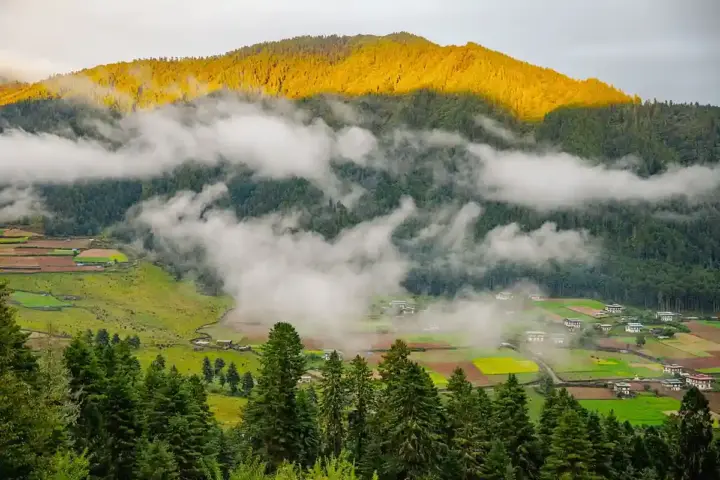
Bhutan Wins £1 Million Earthshot Prize 2026 to Restore 50,000 Hectares as Nearly 2,000 Water Sources Dry Up
Bhutan Wins £1 Million Earthshot Prize for Restore Bhutan Plan to Revive 50,000 Hectares of Degraded Land Bhutan has won a £1 million Earthshot Prize for restoring nature. The award will help
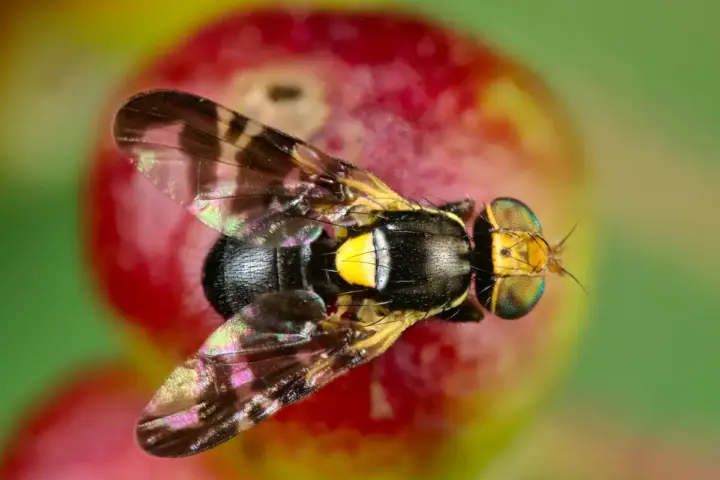
New York European Cherry Fruit Fly Quarantine Expands to 7,991 Square Miles
Does your county sit inside the New York European cherry fruit fly quarantine? If so, a federal order now covers it. The New York European cherry fruit fly quarantine has added Livingston

EPA Chemical Safety Settlements Top $1.3 Million Across California and Arizona
Live or work near a plant that stores ammonia or chlorine gas? New EPA Clean Air Act settlements in California and Arizona could matter to you. Federal regulators reached deals with eight
Visible Light CO2 Catalyst Turns Carbon Dioxide Into Industrial Feedstock for Nearly 4 Hours
Carbon dioxide is chemically stable, which makes it difficult to reuse. A team at Rice University has built a visible light CO2 catalyst that turns it into a useful chemical. Their catalyst

Wind, Solar and Batteries Cut Clean Power Costs Nearly a Fifth, Ember Finds
Wind, Solar and Batteries Cut Clean Power Costs Nearly a Fifth, Ember Finds For anyone who wonders whether clean power can keep the lights on through cloudy days and still nights, a

California Citrus Greening Quarantine Expands After One Positive Sample in Riverside County
If you grow citrus in the expanded Corona, Lake Elsinore, or Wildomar areas, federal rules on moving citrus may now apply to your trees. The U.S. Department of Agriculture has expanded the

D.C. Court Dismisses Three District-Court Challenges to Gulf ESA Exemption
D.C. Court Dismisses Three District-Court Challenges to Gulf ESA Exemption If you work offshore in the Gulf of America, or depend on its waters, one question matters most: does the federal exemption