Coastal Soil Carbon: Biochar and Suaeda Salsa Lift Storage in 370-Day Lab Study

November 27, 2026
2 mins read
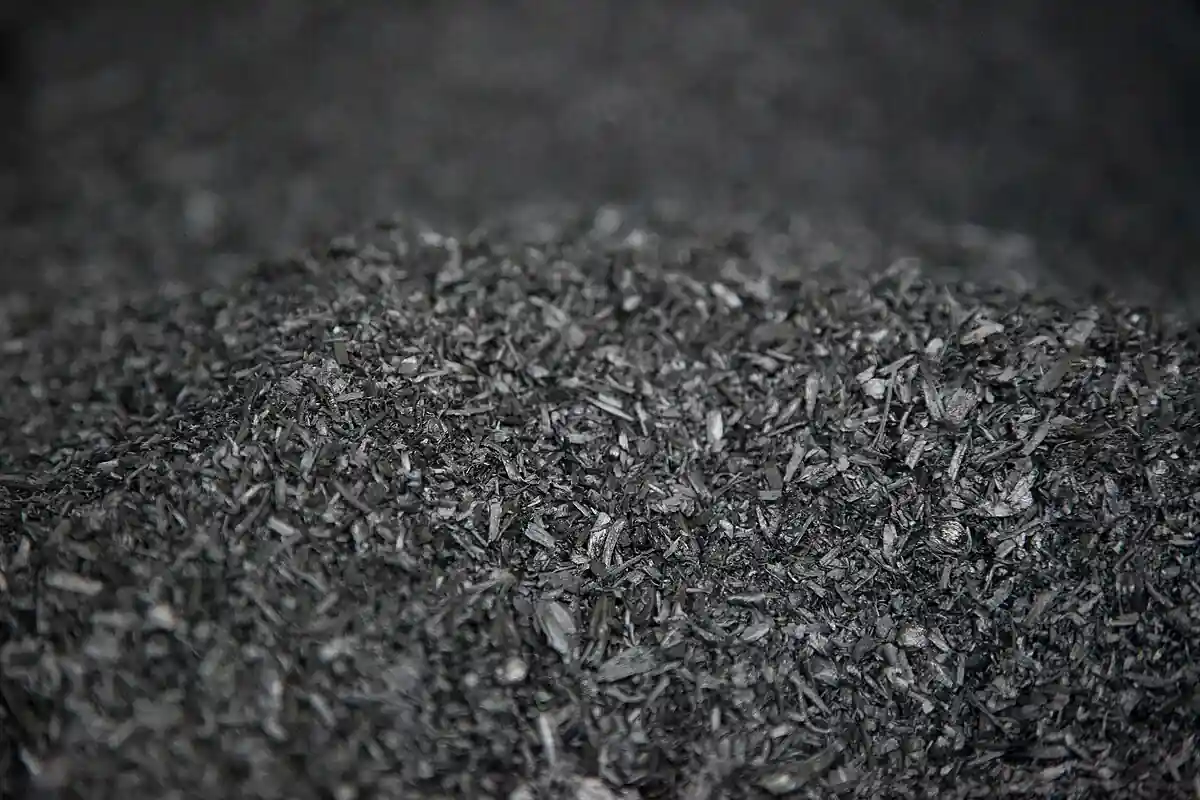
Close-up photograph of a dark pile of charred biomass biochar particles
Charred biomass particles form a pile of biochar, a carbon-rich soil amendment used in land restoration and carbon sequestration. Over a 370-day experiment, combining corn-straw biochar with native salt-tolerant plant residues boosted decomposition-resistant coastal soil carbon by 40.12 percent beyond separate treatments. [Photo source: Oregon Department of Forestry / Wikimedia Commons | License: CC BY 2.0]

Salty soil can still hold carbon, and what you add to it may decide how much stays. A lab study on soil from China’s Yellow River Delta reports that corn straw biochar combined with residue from Suaeda salsa, a salt-tolerant coastal plant, increased persistent soil carbon.

Biochar is charcoal-like material made by heating crop waste with little oxygen. Soil microbes break down plant matter, and some of what they leave behind resists further breakdown. That leftover material, called recalcitrant carbon, is what keeps carbon in the ground for long periods.

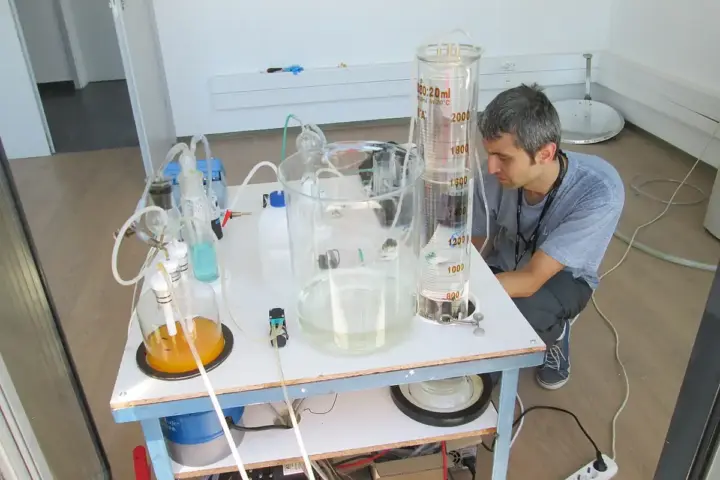
The news release on the 370-day study describes an experiment that ran for 370 days, with soil tested under flooded and non-flooded conditions. The exact size of the gain is not confirmed in this article, so readers should check the figures in the full paper.

Coastal soils also face flooding pressure. Recent record coastal water levels in California show how high tides can stress low land. Whether biochar with salt-tolerant plant residue keeps carbon under natural tides and seasons still needs field testing.

Soil fauna also affect carbon storage, as covered in research on giant earthworms and soil carbon in India’s Western Ghats.

Source: EurekAlert! news release; peer-reviewed study in Biochar.
Rahul Somvanshi

Rahul, possessing a profound background in the creative industry, illuminates the unspoken, often confronting revelations and unpleasant subjects, navigating their complexities with a discerning eye. He perpetually questions, explores, and unveils the multifaceted impacts of change and transformation in our global landscape. As an experienced filmmaker and writer, he intricately delves into the realms of sustainability, design, flora and fauna, health, science and technology, mobility, and space, ceaselessly investigating the practical applications and transformative potentials of burgeoning developments.

Leave a Reply

Your email address will not be published.

A tree-lined urban landscape used as contextual illustration.
Previous Story

Durga Tekdi Tree Felling: What PCMC’s Water Tank Notice Actually Means

HM Coastguard vehicle in the UK representing the Maritime and Coastguard Agency
Next Story

UK maritime fees could rise as MCA targets ‘full economic cost’ of its services

Latest from Environment

Don't Miss