UK maritime fees could rise as MCA targets ‘full economic cost’ of its services
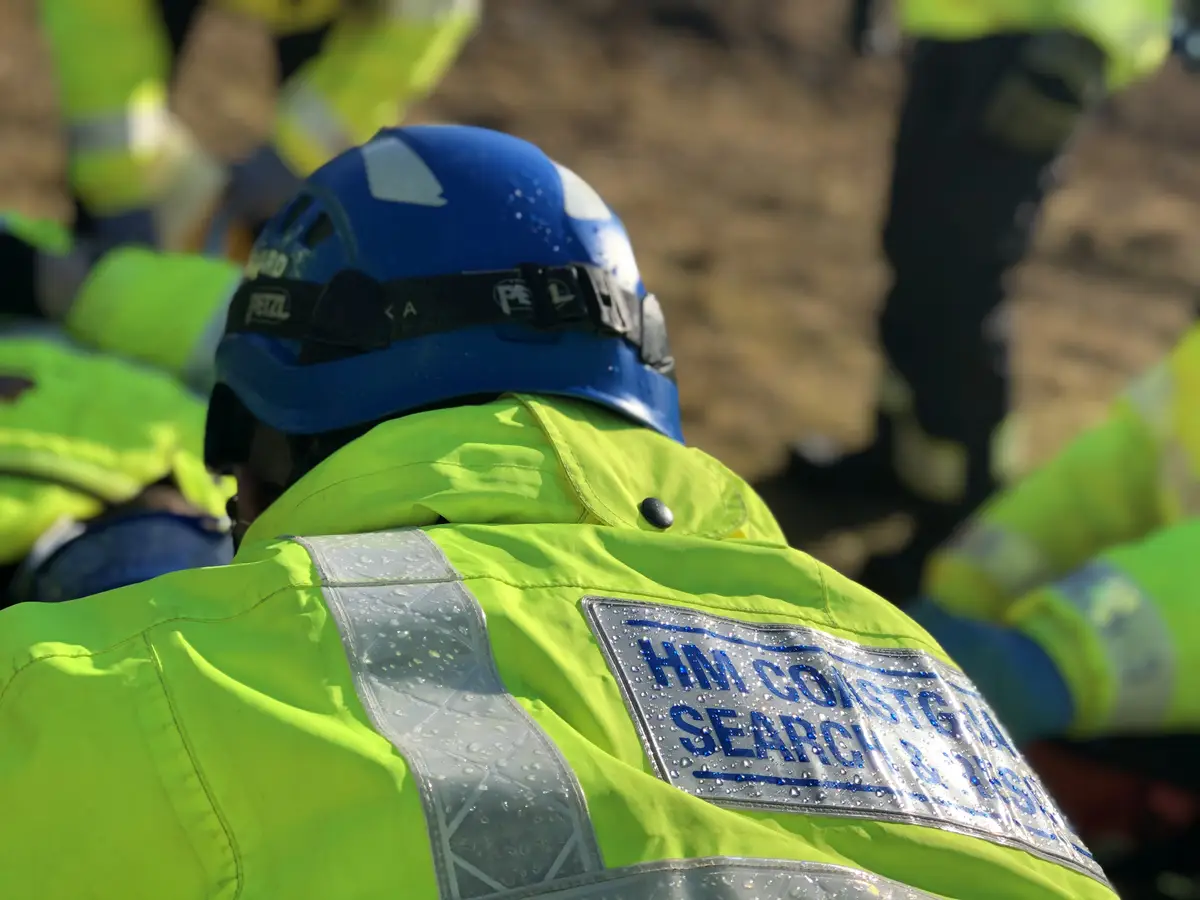
Maritime and Coastguard Agency Opens Consultation on 2028 Shipping and Seafarer Fee Overhaul
Running a commercial boat, surveying ships, or renewing a seafarer certificate in the UK could soon cost more. The consultation on the Proposed Merchant Shipping (Fees) Regulations 2028 is open now, and it proposes raising the fees the Maritime and Coastguard Agency charges for its services. Anyone who relies on those services has until January 24, 2027 to respond.
The Maritime and Coastguard Agency, an executive agency of the Department for Transport based in Southampton, launched the consultation on November 23, 2026. It runs for nine weeks and closes at 11:59pm on January 24, 2027. The proposals are set out in the draft Merchant Shipping (Fees) Regulations 2028. The main change is that statutory fees would rise in line with inflation since they were last set under the 2018 Regulations. The aim, according to the announcement, is to meet HM Treasury guidance that statutory fees should aim to recover the full economic cost of the work, and to reduce taxpayer subsidies. The proposals cover three areas: survey and inspection, seafarer training and certification, and the Registry of Shipping and Seamen.
For UK shipowners, commercial boat operators, and seafarers, the practical effect could be higher bills for inspections and certificates. Because the proposals aim to cut taxpayer subsidies, the people and businesses that use these services would likely carry more of the cost. Some survey fees that the MCA currently charges on an actual hours incurred basis would become fixed set fees, and surveyor travel time would be covered by a standardised amount. Responses can be emailed to fees.consultation@mcga.gov.uk or sent by post, and are accepted until January 24, 2027.
Survey and inspection covers the surveys and inspections of ships and commercial vessels. Maritime and Coastguard Agency survey fees for these checks are part of the proposed changes. UK seafarer certification fees fall under the seafarer training and certification area. The Registry of Shipping and Seamen covers the registration side of ship and seafarer records. For more on UK marine safety investigations, read our report on the Bayesian yacht sinking.


Latest from Business
The Best System Is Easy to Repeat
The mistake most people make with a money system is assuming the best one is the most detailed. In real life, detail is not the same thing as durability. A system can

SHEIN FTC Settlement: Proposed $100 Million Order Over Shipping and Reviews
The FTC alleges that late SHEIN orders, hard-to-reach customer service and suppressed negative reviews are now at the center of a federal case. Under a proposed order, SHEIN has agreed to pay

Traceable Better Cotton Sourcing Jumps 43.5% to Record 33,000 Tonnes Across 16 Countries
Traceable Better Cotton Sourcing Jumps 43.5% to Record 33,000 Tonnes Across 16 Countries Anyone who has wondered whether “sustainable cotton” on a T-shirt label means anything now has firmer evidence to look

USDA BRAND Cattle Insurance Approval Backs Ranchers Keeping Heifers
Ranchers who want to rebuild their herds can face a hard choice. They can sell young female cattle now at high prices, or keep them for breeding and risk losing money. A


DOJ Moves to Recover $1.1B in USDC From $6B+ Binance Hack
If you hold USDC or trade on a crypto exchange, this case shows how stolen stablecoins can be frozen and pursued in court. On Monday, November 23, 2026, the U.S. Justice Department

NASA Selects 302 Small-Business Projects for Up to $171 Million
NASA Selects 302 Small-Business Projects for Up to $171 Million For U.S. companies building space hardware, NASA’s latest SBIR/STTR awards offer a route to fund early research and development. The agency selected
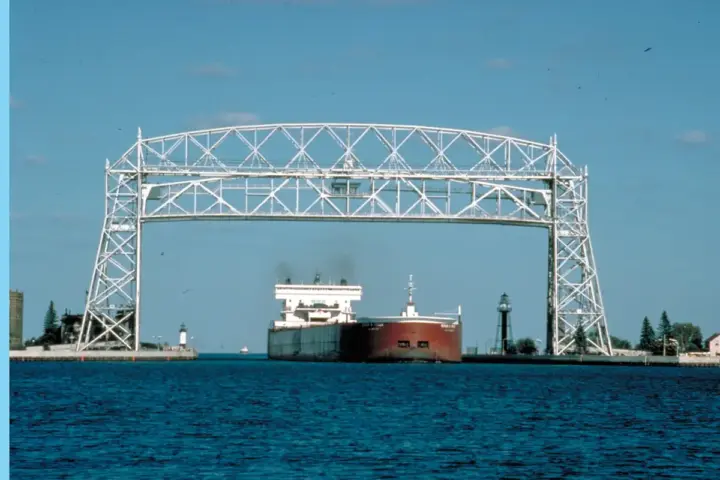
Sault Ste. Marie Port Secures $250M for Great Lakes Marine Terminal
Northern Ontario exporters could gain a new route for moving critical minerals, steel, forestry products and agricultural goods. Canada is backing a multimodal port in Sault Ste. Marie. Transport Canada says the

Hultafors Group Tool Recall Covers 229,430 Johnson Level and CLC Tools
Hultafors Group Tool Recall Covers 229,430 CLC and Johnson Level Products Over Button-Cell Battery Hazard Contractors, woodworkers and families: check the model number on your CLC Lighted Portfolio or Johnson Level digital

Ford Oakville Investment 2026: Canada and Ontario Commit $928.5M
Canada and Ontario Invest $928.5M in Ford Oakville Retool The Ford Oakville investment 2026 adds Super Duty truck capacity for fleet buyers and Oakville auto workers, and marks a major factory transition.
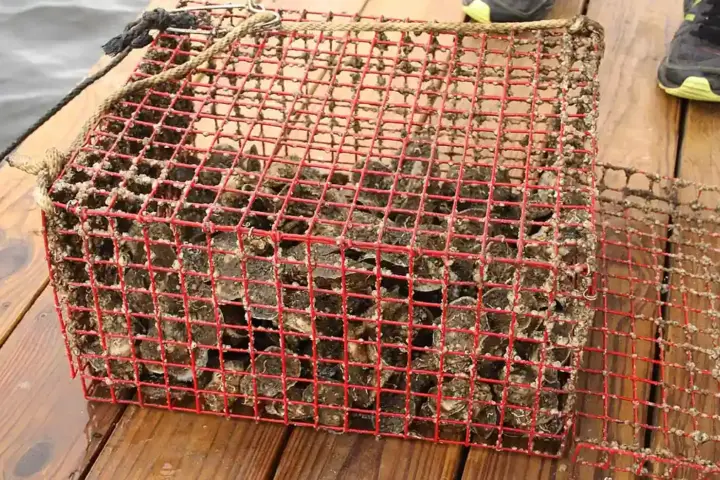
Virginia Oyster Farm Ban Draws $9.1M Lawsuit From Little Wicomico
### STORY 4 — PRIORITY #4 Little Wicomico Oyster Company Sues Virginia for $9.1M Over Oyster Farm Ban A Virginia oyster grower says a state order left millions of young oysters unattended

Suresh Gopi Rules Out Immediate Petrol and Diesel Price Cut, Cites ₹42,000 Crore Losses
Drivers hoping for cheaper fuel before the new year should not count on a central price cut. Union Minister of State for Petroleum and Natural Gas Suresh Gopi has ruled out an

Dollar General Overcharging Lawsuit: 30 States Join FTC Case
The Dollar General overcharging lawsuit now covers 30 states. Ten more states have joined the Federal Trade Commission’s case alleging Dollar General routinely charged customers above the advertised price, bringing the coalition

Australia Loses 43,500 Jobs as Unemployment Hits 4.9%, Highest Since October 2021
Australians following the jobs market saw employment fall in October as the unemployment rate rose to 4.9%. The Australian Bureau of Statistics (ABS) reported that seasonally adjusted employment dropped by 43,500 people

Anthropic Raises $81.3 Billion in Nasdaq IPO as Shares Briefly Imply $2 Trillion
Anthropic raised about $81.3 billion in its initial public offering, pricing 980 million shares at $83 each before its Nasdaq debut on 19 November. The offering price put the company’s initial IPO