USDA BRAND Cattle Insurance Approval Backs Ranchers Keeping Heifers
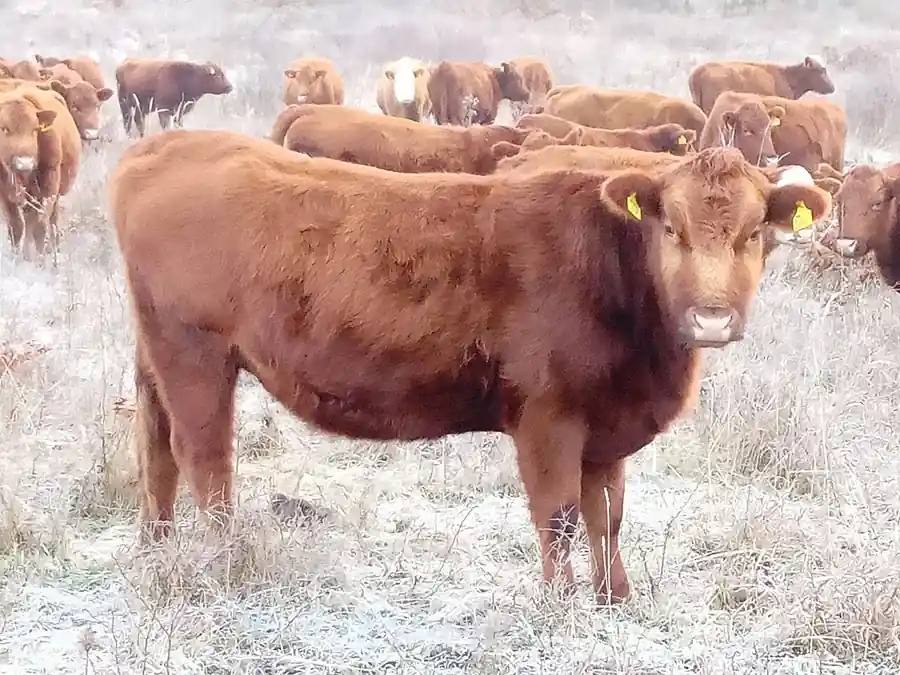
Ranchers who want to rebuild their herds can face a hard choice. They can sell young female cattle now at high prices, or keep them for breeding and risk losing money. A new federal insurance option is intended to help manage some of that financial risk. Grocery shoppers also have a voluntary label to watch for, “Product of USA,” which USDA says more than 30 companies and brands have adopted.
The U.S. Department of Agriculture (USDA) announced the BRAND cattle insurance approval on November 20, 2026. Its Federal Crop Insurance Corporation (FCIC) Board of Directors approved the Beef Retention and National Development (BRAND) endorsement. The endorsement works inside Livestock Risk Protection (LRP), an existing federal livestock insurance policy that provides protection against price declines. The endorsement is expected to be available to all ranchers in early 2027.
USDA reports that beef cows totaled 27.607 million head on January 1, 2026, the smallest inventory since 1961. High prices can make selling young females for quick cash attractive to some producers. Fewer breeding females generally means fewer calves in later years, and fewer calves can tighten beef supply.
A heifer sold at a high price today brings cash now. If she is kept and reaches breeding age, she may produce calves over several years. The trade-off is straightforward. USDA says the endorsement insures the economic value of retaining eligible heifers for breeding. It is intended to help manage the financial risk of keeping them.
USDA says policyholders will be able to obtain coverage for two consecutive years, from a developing heifer to the first calf. Coverage periods range from 43 to 52 weeks and are intended to align with reproductive and herd-retention decisions. An earlier pre-approval concept, described in a DTN report dated September 15, 2026, would have paid across the next four calf crops. That concept is not part of the approved endorsement USDA describes.
Trade reporting on the proposal was published before the approval. It described a payout if a heifer’s projected or realized slaughter value exceeded the value of keeping her as breeding stock. USDA’s approval announcement does not describe that calculation, and final program materials have not been published yet. How much protection a rancher receives will depend on those final terms.
USDA says it will announce additional details once the program materials are available. Ranchers can contact a crop insurance agent for LRP coverage. RMA notes that an agent authorized to sell livestock policies is not required to sell crop policies, and vice versa. Ranchers should confirm that the agent is authorized for livestock policies. Agents can be located through the RMA Agent Locator at rma.usda.gov, the website of USDA’s Risk Management Agency. Because the final terms are not yet published, ranchers should review that official text before making herd decisions. A DTN report from September 15, 2026 was written before the approval. It said the policy was expected to be submitted for approval in the coming weeks, so early descriptions may not match the final terms.


Latest from Business


DOJ Moves to Recover $1.1B in USDC From $6B+ Binance Hack
If you hold USDC or trade on a crypto exchange, this case shows how stolen stablecoins can be frozen and pursued in court. On Monday, November 23, 2026, the U.S. Justice Department

NASA Selects 302 Small-Business Projects for Up to $171 Million
NASA Selects 302 Small-Business Projects for Up to $171 Million For U.S. companies building space hardware, NASA’s latest SBIR/STTR awards offer a route to fund early research and development. The agency selected
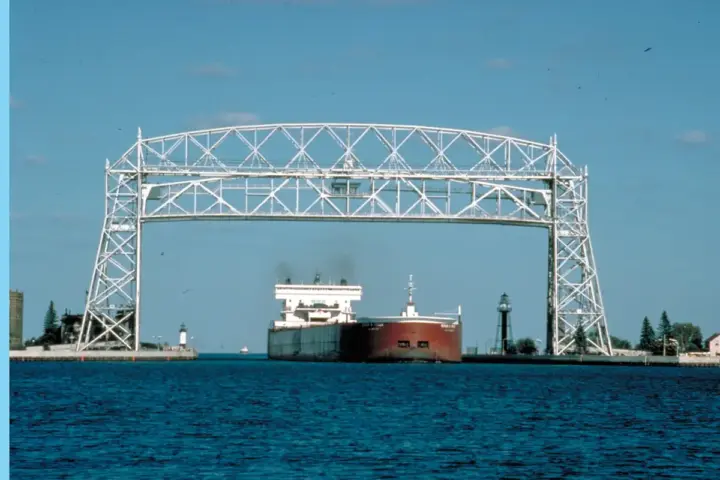
Sault Ste. Marie Port Secures $250M for Great Lakes Marine Terminal
Northern Ontario exporters could gain a new route for moving critical minerals, steel, forestry products and agricultural goods. Canada is backing a multimodal port in Sault Ste. Marie. Transport Canada says the

Hultafors Group Tool Recall Covers 229,430 Johnson Level and CLC Tools
Hultafors Group Tool Recall Covers 229,430 CLC and Johnson Level Products Over Button-Cell Battery Hazard Contractors, woodworkers and families: check the model number on your CLC Lighted Portfolio or Johnson Level digital

Ford Oakville Investment 2026: Canada and Ontario Commit $928.5M
Canada and Ontario Invest $928.5M in Ford Oakville Retool The Ford Oakville investment 2026 adds Super Duty truck capacity for fleet buyers and Oakville auto workers, and marks a major factory transition.

Virginia Oyster Farm Ban Draws $9.1M Lawsuit From Little Wicomico
### STORY 4 — PRIORITY #4 Little Wicomico Oyster Company Sues Virginia for $9.1M Over Oyster Farm Ban A Virginia oyster grower says a state order left millions of young oysters unattended

Suresh Gopi Rules Out Immediate Petrol and Diesel Price Cut, Cites ₹42,000 Crore Losses
Drivers hoping for cheaper fuel before the new year should not count on a central price cut. Union Minister of State for Petroleum and Natural Gas Suresh Gopi has ruled out an

Dollar General Overcharging Lawsuit: 30 States Join FTC Case
The Dollar General overcharging lawsuit now covers 30 states. Ten more states have joined the Federal Trade Commission’s case alleging Dollar General routinely charged customers above the advertised price, bringing the coalition

Australia Loses 43,500 Jobs as Unemployment Hits 4.9%, Highest Since October 2021
Australians following the jobs market saw employment fall in October as the unemployment rate rose to 4.9%. The Australian Bureau of Statistics (ABS) reported that seasonally adjusted employment dropped by 43,500 people

Anthropic Raises $81.3 Billion in Nasdaq IPO as Shares Briefly Imply $2 Trillion
Anthropic raised about $81.3 billion in its initial public offering, pricing 980 million shares at $83 each before its Nasdaq debut on 19 November. The offering price put the company’s initial IPO

Gold hits 14-month low as silver slips on Fed hike bets
On Friday, November 20, spot gold fell 1% to $3,585.92 an ounce by 1113 GMT, after touching $3,513.54 earlier in the session, its lowest level since September 4, 2025. Reuters reported the

US 30-Year Mortgage Rate Rises to 7.28%, Freddie Mac Says
The average rate on a 30-year fixed mortgage in the United States rose to 7.28% in Freddie Mac’s survey published 19 November. That was up from 7.11% the previous week and 6.26%

JPMorgan, Visa and Mastercard Report Cyber Incidents Involving Third-Party Providers
Customers concerned about reports involving JPMorgan Chase, Visa and Mastercard should distinguish the companies’ separate disclosures. Each company described an incident involving a third-party provider. The available reports do not establish that

Disney Beats Q4 Earnings but CFO Hugh Johnston Confirms More Layoffs
Disney posted its strongest quarterly revenue in company history and confirmed more jobs are going in the same breath. CFO Hugh Johnston told CNBC directly: “We do expect more layoffs as we