Sunita Somvanshi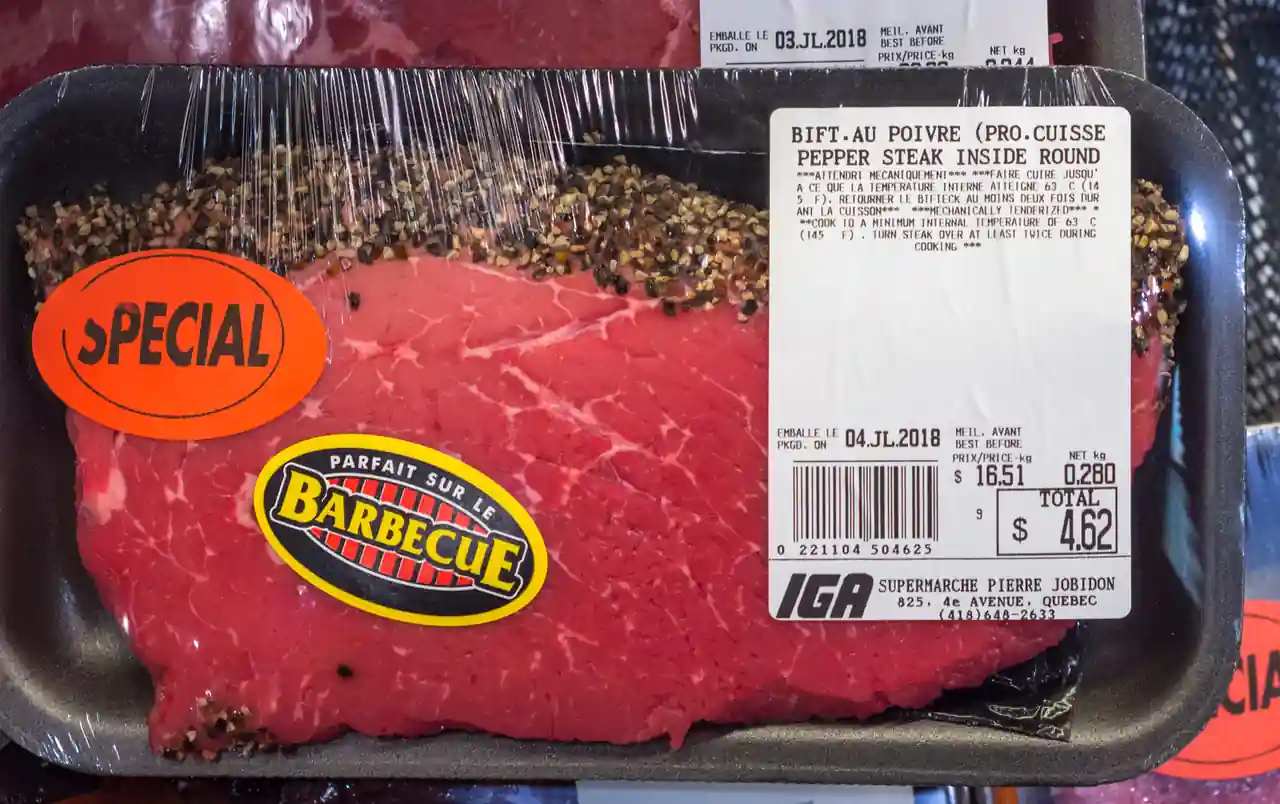
Beef prices have climbed nearly 10% over the past year, and the federal government wants to know why — and whether grocery stores played a role in keeping prices high.
The U.S. Department of Justice has widened its antitrust investigation into beef pricing. It started with the big meatpackers. Now it has reached the checkout line. The DOJ has sent information requests to eight major retailers: Walmart, Kroger, Costco, Amazon, Publix, Albertsons, Aldi, and Ahold Delhaize.
This matters because federal Bureau of Labor Statistics data shows beef and veal prices rose 9.4% year over year through July 2026. Uncooked ground beef was up 9.0%. Beef roasts jumped 13.5%. Steaks climbed 9.6%.
But there is a key distinction that often gets lost in the headlines. Getting an information request from the DOJ is not the same as being accused of wrongdoing. No retailer has been charged with anything. The investigation is in an information-gathering phase.
Part of the price story also comes down to basic supply. USDA counted 28.5 million beef cows on July 1, 2026 — down 1% from a year earlier. The 2026 calf crop came in at 32.5 million, down 2%. Fewer cattle means tighter supply, and tighter supply tends to push prices up regardless of what any company does.
The processing side of the industry is also highly concentrated. The four largest meatpackers handle about 85% of steer and heifer purchases, according to USDA’s Economic Research Service. But the same agency notes that concentration alone does not prove anticompetitive behavior or unlawful market power.
This is not the first time federal investigators have looked at meat markets in 2026. In May, the DOJ took action involving Agri Stats, a data firm, over concerns about the sharing of competitively sensitive information among meat processors.
USDA’s August 2026 outlook projected total beef production at 24.967 billion pounds this year, with tighter cattle supplies expected to support cattle prices into 2027.
The investigation has not established that retailers did anything wrong. What it has established is that the federal government wants a closer look at how beef moves from the ranch to the supermarket shelf — and who profits at each step along the way.