Sunita Somvanshi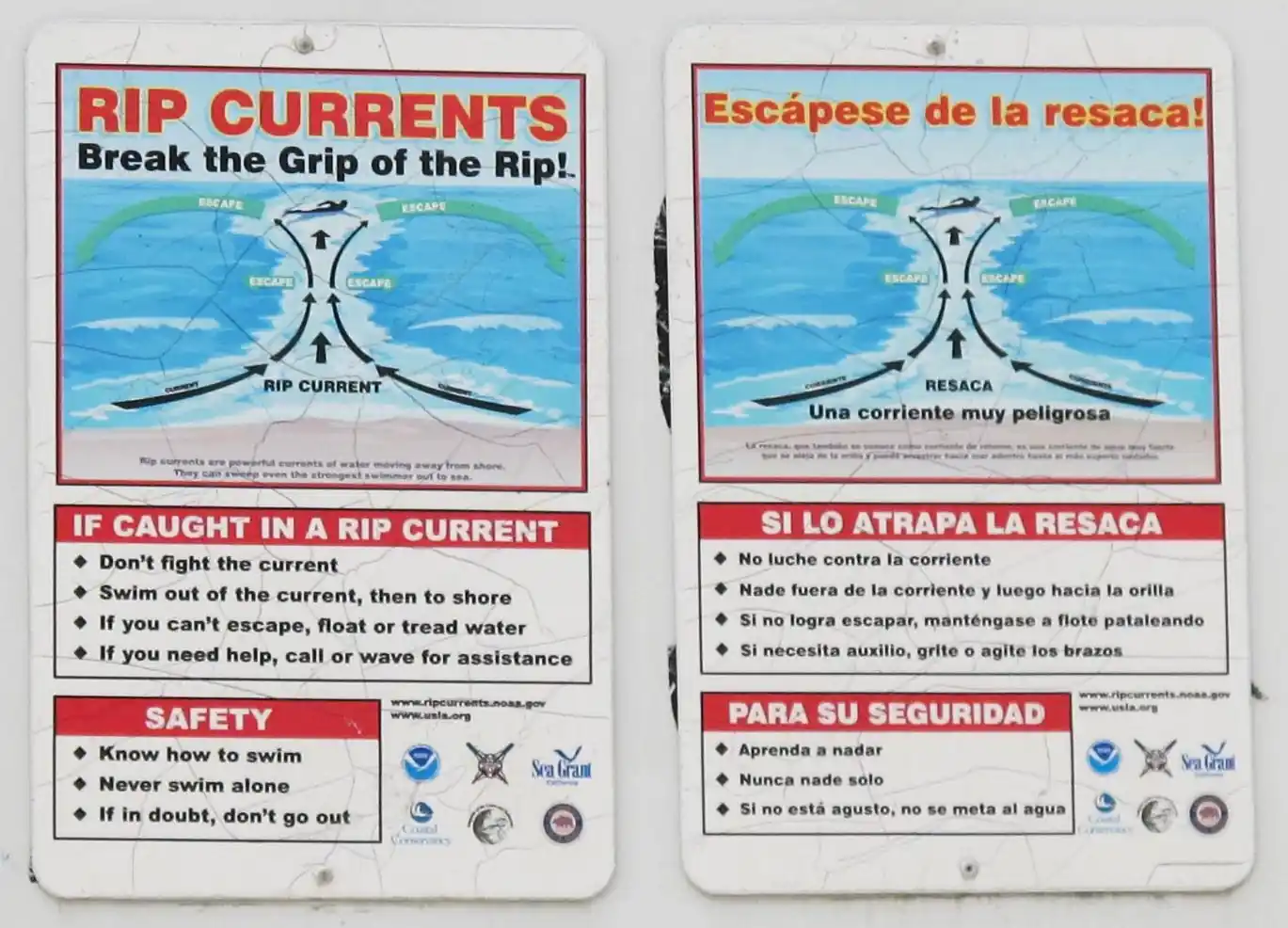
This Labor Day weekend is not one forecast. It’s several — and which one applies to you depends entirely on where you’re headed.
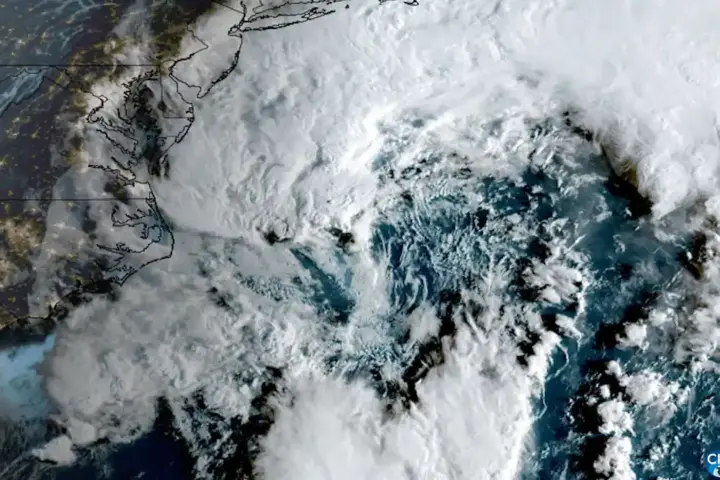
Across the Great Lakes and Mid-Atlantic region, forecasters are warning of strong to severe thunderstorms with locally heavy rain. If you’re planning outdoor events in that corridor, have a backup plan ready.
The Central U.S. is dealing with persistent heat. Not a brief spike — sustained heat that stretches through the long weekend.
In the Desert Southwest, the monsoon season is adding flash-flood potential. Rain in the desert sounds harmless, but desert soil doesn’t absorb water well. Heavy rain can produce fast-moving floods on roads that look perfectly dry just minutes before.
Southern areas are facing both heat and afternoon thunderstorms. The National Weather Service in Atlanta issued a Heat Advisory for the greater Atlanta area and northwest Georgia, with heat index values forecast in the low to mid 100s — around 106°F in some parts of northwest Georgia. That advisory extends through Saturday evening, September 5.
Along Southern California’s coastline, the weather risk is different. NWS Los Angeles identified a high risk of strong rip currents and large surf during the holiday weekend. Tropical Cyclone Marie was expected to remain offshore, but even a storm that doesn’t make landfall can push dangerous swells and rip currents toward beaches. NWS Los Angeles advises swimming only near lifeguards.
A rip current doesn’t feel dangerous until you’re in one. It pulls swimmers away from shore faster than most adults can swim. If you get caught in one, swim parallel to the shore rather than fighting the current directly toward the beach.
Before you leave home this weekend, check the NWS forecast for your exact destination — not just the city, but the specific area. Check severe weather alerts right before any outdoor event, not just in the morning. If you’re heading to the beach, look specifically for rip current and surf warnings, which are separate from standard temperature forecasts. And have an indoor option ready for any outdoor gathering, because conditions can shift quickly within a single afternoon.