Sunita Somvanshi
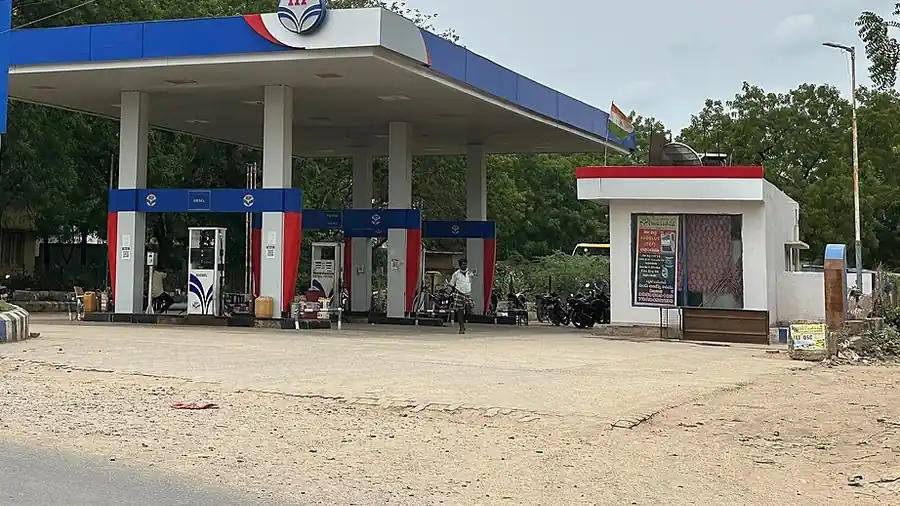
Drivers hoping for cheaper fuel before the new year should not count on a central price cut. Union Minister of State for Petroleum and Natural Gas Suresh Gopi has ruled out an immediate reduction in petrol and diesel prices, saying oil companies have already absorbed heavy losses and supply remains strained.
Speaking to reporters at Meenambakkam airport in Chennai on November 16, in remarks carried by ET Energy, Gopi said individual states had the option of reducing taxes on petrol, but any central move would first have to account for the financial position of the oil companies.
“We may wish for prices to come down the next day. But technically it is not possible right away,” he said. “Oil companies have already incurred losses of ₹42,000 crore. All this needs to be compensated.”
The minister tied the constraint to the conflict in West Asia, which he blamed for disrupting petroleum product supplies. He also acknowledged supply problems at home. “There is chaos in the supply of petroleum products. We are doing whatever needs to be done to fix it,” he said. He explained that even if a reduction were expected immediately, the companies would need to account for their accumulated losses first.
For now, pump rates have held steady. Petrol and diesel prices were largely unchanged across major Indian cities on November 17, even as the Centre raised diesel and aviation turbine fuel export levies, according to Mint.
What can still move prices
Gopi pointed to state-level taxation as the available lever, saying states could consider cutting fuel taxes. He noted that pump prices had risen in Kerala and Karnataka, and said he did not know how prices had moved in Tamil Nadu. That means a near-term fall depends more on a state government decision than on a central announcement.
Fuel costs feed directly into transport and freight rates, and they have been a live inflation issue elsewhere too: Karmactive reported on UK inflation rising to 3.6% in October as fuel prices jumped 33.2%. Global crude movements matter as well, and the late-October US inventory draw that pushed WTI past $100 showed how quickly the underlying market can shift.
Fuel pricing in India splits the tax load between central excise and state value-added tax. That structure is why the same fuel can retail at different prices in neighbouring states, and it is the reason the minister pointed at state governments rather than Delhi.
The minister’s position leaves the burden of any relief on two fronts: how fast the supply disruptions ease, and whether individual states choose to trim their own duties on petrol and diesel.