Rahul Somvanshi
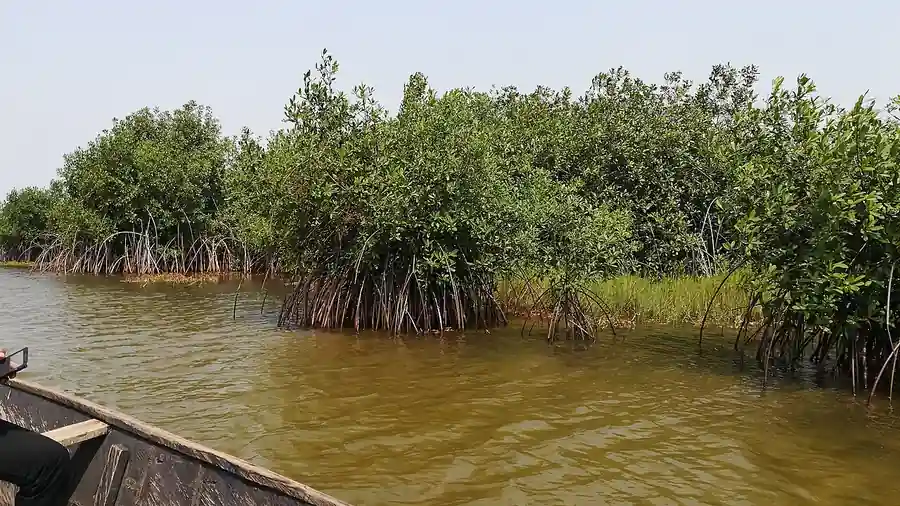
Togo joins IUCN as a State Member, the International Union for Conservation of Nature announced on 26 November 2026. For readers watching how coastal countries build conservation capacity, the announcement ties a global network to a national plan for Togo’s first marine protected area.
Prof. Komla Dodzi Kokoroko, Togo’s Minister of the Environment, Forest Resources, Coastal Protection and Climate Change, said membership would help the country improve protected-area management, establish its first marine protected area, sustainably protect its coastline and share its experience with West African countries.
Togo’s marine protected area plan
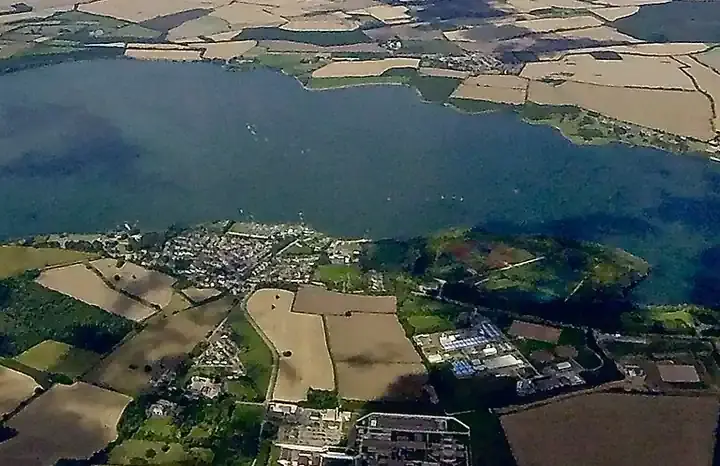
Togo began a process in 2025 to establish its first marine protected area between the Atlantic Ocean and Lake Togo. The area remains a plan rather than a formally designated protected area. The available announcement does not give a boundary map, an area figure or a designation date. Those details will need to come from official notices as the process moves forward.
The minister’s statement places the project alongside wider efforts to manage protected areas and protect the coastline. That context matters for readers who follow the IUCN’s assessments, including its reporting on green turtle recovery and conservation status. It also puts Togo’s work in a regional setting where coastal ecosystems cross national boundaries.
What IUCN membership changes
IUCN is a global union of governments, government agencies and organisations working on nature conservation. Membership provides a route for dialogue and technical exchange, but it does not by itself designate a protected area. The next practical measure for Togo’s marine plan will be the official steps that define its status and management.
The announcement also comes as other West African countries develop nature-protection plans. Karmactive recently covered how Guinea-Bissau and Sierra Leone advanced natural-site protection; that is a separate process, but it shows the regional interest in safeguarding coastal and natural areas.
What is confirmed now
The confirmed news is that IUCN welcomed Togo as a State Member on 26 November and that the country’s environment minister has linked the membership to protected-area management, coastal protection and the planned first marine protected area. The precise legal status, boundaries and timetable for that marine area have not been set out in the announcement.
Readers looking for the next development should watch for statements from Togo’s environment ministry and IUCN. A formal designation notice would show how the planned coastal protection moves from process to protected area.