 Rahul Somvanshi
Want clothes that last longer and leave a lighter footprint, but not sure where to find them? Many shoppers and independent designers are looking for practical options beyond fast fashion. Good news: the 2026 European Circular Fashion Awards have just named 16 finalists, with projects ranging from established products to newer solutions.
The European Metropolis of Lille (MEL) runs the European Circular Fashion Awards with the French Agency for Ecological Transition (ADEME). Held every two years since 2020, the 2026 edition is the fourth. An expert jury reviewed 275 applications and selected 16 finalists. Entrants submitted projects for repair, resale, and fiber-to-fiber recycling, at different stages of development.
Finalists were chosen across five themes: natural materials, eco-design, repair, recycling, and short supply chains. Public voting runs until November 29, 2026, and counts for one-third of the final score for six trophies. The ceremony takes place on December 3 in Lille.
The finalists’ work is on show at La Manufacture in Roubaix until December 13, 2026. Winners receive financial awards and tailored support; finalists also receive promotional visibility.
From 275 Entries to 16 Circular Fashion Finalists
Choosing 16 finalists from 275 applications was no small task for the jury. Entries covered natural materials, eco-design, repair, recycling, and short supply chains. The shortlist includes projects ranging from established products to newer solutions.
The shortlist covers several stages of the garment lifecycle, from raw fibers to the sorting and recycling that happens after clothes are worn. Public votes make up one-third of the final score, so everyday people share in the decision.
Standout Material, Repair, and Recycling Innovations
Spiekerboks makes jeans to order from 100% recycled cotton. The project says it produces only sold items, a model intended to limit unsold stock. The organizers’ Spiekerboks finalist page cites estimates of roughly 7,000 liters of water and 10 kg of CO2 for each pair of conventional jeans. Recycled cotton—and traceable cotton sourcing—is one way to avoid that footprint.
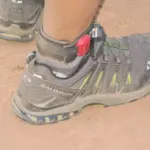
Joon builds glue-free modular footwear, so parts can be separated and replaced rather than thrown away. Oktara takes a different route, turning recycled sports shoes and tennis balls into new soles. Both show how footwear can be designed to return to use.
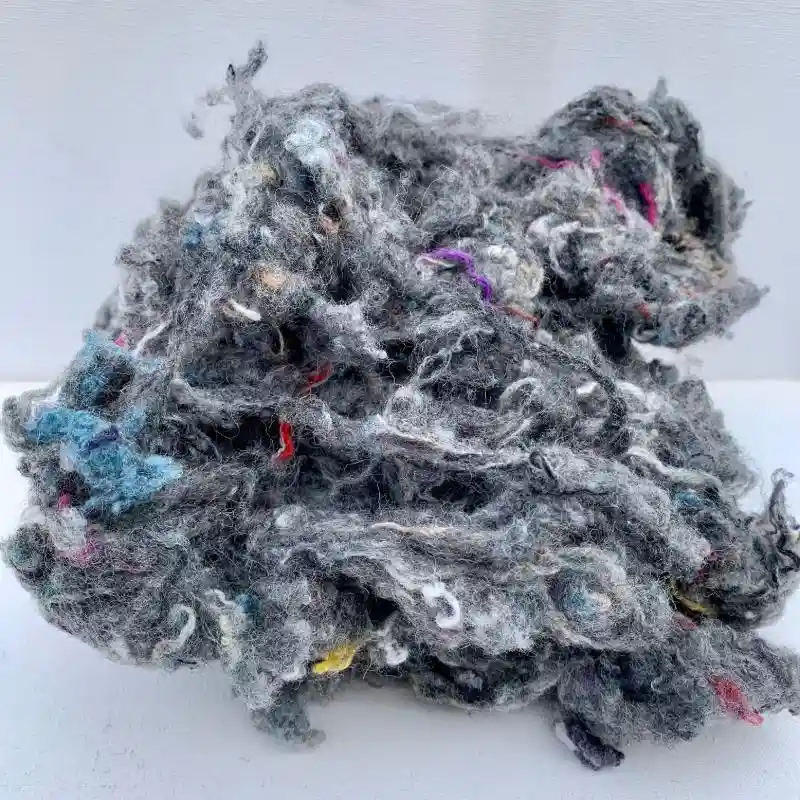
Revisite gives hotel linen a second life through upcycling. Chamonix Spiral by Millet makes fleece from fabric offcuts, the leftover pieces created during manufacturing. That places it alongside broader bio-based outdoor textile innovations across Europe.
Recycling depends on sorting, and Trosort uses AI to sort garments while Nouvelles Fibres Textiles sorts textiles for fiber recycling. Tearing Waves focuses on repairing neoprene, the stretchy material used in wetsuits, extending the life of gear people already own.
Taken together, the finalists cover several stages of a garment’s journey, from the fiber it starts as to the repairs that extend its life.
Why Regional European Supply Chains and Public Grants Matter
Regional supply chains can make sustainable choices easier to reach. When materials are recycled and garments are made close to home, shoppers can find alternatives to fast fashion with shorter supply routes. Made-to-order recycled cotton denim is one example of this approach. Financial awards and promotional visibility can help promising ideas grow beyond a single workshop.
For shoppers, that means more choice close to home. Supporting these designers helps keep circular ideas moving toward everyday production.
The 2026 European Circular Fashion Awards show that circular fashion is already practical. Sixteen finalists, from recycled cotton jeans to glue-free shoes, are showing that repair, resale, and recycling are within reach. Public voting is open until November 29, 2026, and the ceremony takes place on December 3 in Lille.