Water Environment Improvement Fund: £11 Million River Clean-Up Funded by Water Company Fines
Water company pollution fines are going back into English waterways. Announced November 28, 2026, the funding is worth over £11 million and includes almost £6 million collected from water companies. If you pay a water bill, live near a river, or fish, this money could affect your local waterway. Anglers and bill payers may want to pay attention.
The Department for Environment, Food and Rural Affairs (Defra) announced the funding on November 28, 2026. The Environment Agency administers the fund, and its chief executive, Philip Duffy, is quoted. It allocates over £11 million from the Water Environment Improvement Fund (WEIF) to more than 300 local projects in England.
Almost £6 million of that money comes from fines paid by water companies for pollution. The projects are expected to improve over 1,300 km of rivers and plant more than 100,000 trees. They will also create or restore more than 800 hectares of natural habitat. The work aims to reduce flood risk and improve water quality.
Named projects include the River Wey in Surrey, the River Tyne in Newcastle and the River Frome in Gloucestershire.
Funded projects are intended to improve local waterways and reduce flood risk. The announcement links the funding to water companies that polluted rivers, and those companies now help pay for local clean-up. Residents in flood-prone river catchments may notice the benefits first.

Latest from Environment
Lotus Stem Biofilm Electricity Generator Makes Power From Evaporating Water
Researchers in China have built a small generator that makes electricity from water as it evaporates. The device pairs lotus stems with a bacterium that moves electrons. In testing, it ran steadily
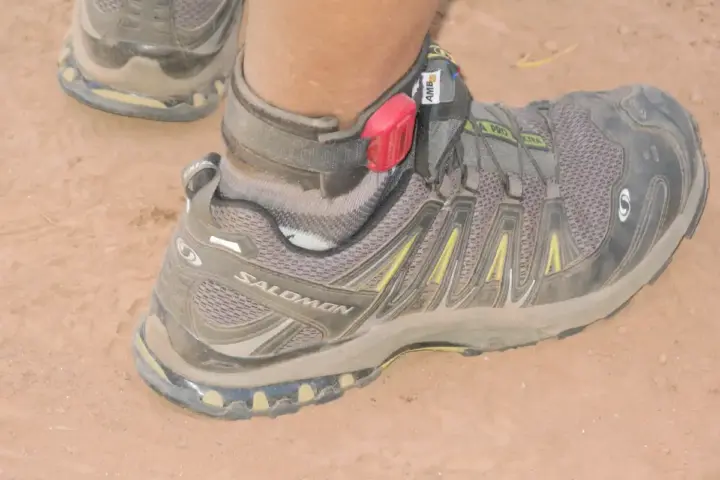
Footwear Environmental Footprint Data Project Launches With New Balance and On
Want to know what really goes into the carbon footprint of your next pair of trainers? A new industry project is collecting that answer directly from suppliers across the footwear supply chain.
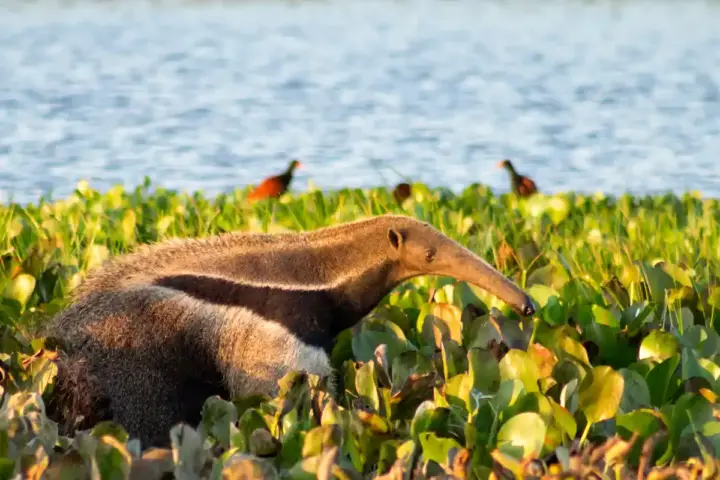
Giant Anteater South America Recovery: Restored Land and Releases in Argentina and Brazil
Giant anteaters have been missing from parts of their old range for generations. Now two recovery stories from South America show that land can heal and animals can return. Large-scale animal recovery
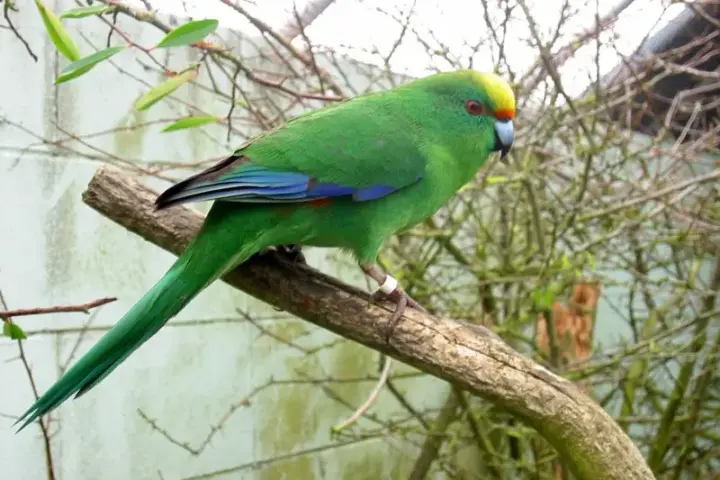
Kākāriki Karaka Parakeet Chicks Hatch from Retired Breeding Pair
Conservation news often arrives in small steps. This time it arrived with four new chicks. In late November 2026, a pair of parrots that had been officially retired from breeding unexpectedly hatched
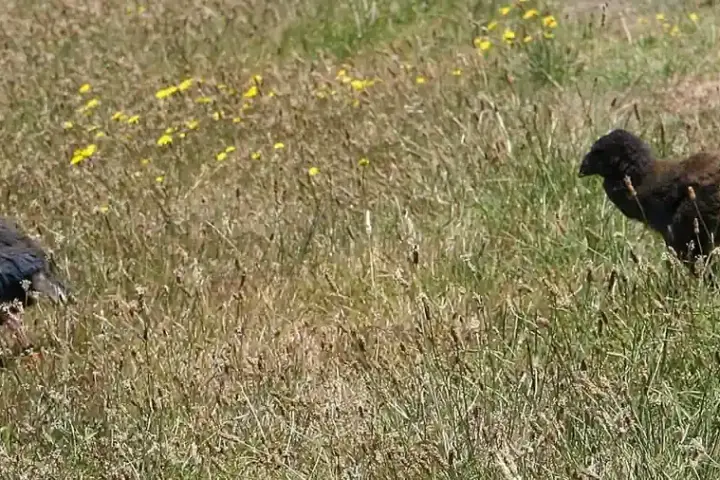
First takahē chick hatches at Onetahua after May translocation
First takahē chick hatches at Pūponga, Onetahua/Farewell Spit, after eight threatened native birds were moved to the site in May. The Department of Conservation (DOC) and the Onetahua Restoration Project announced the
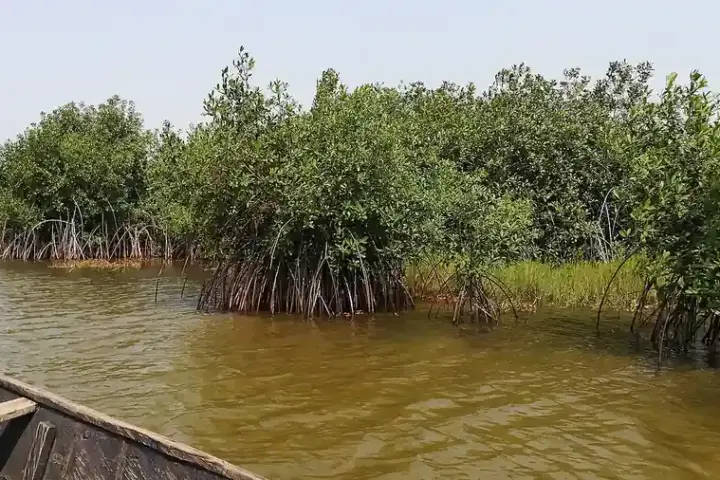
Togo joins IUCN as it develops its first marine protected area
Togo joins IUCN as a State Member, the International Union for Conservation of Nature announced on 26 November 2026. For readers watching how coastal countries build conservation capacity, the announcement ties a
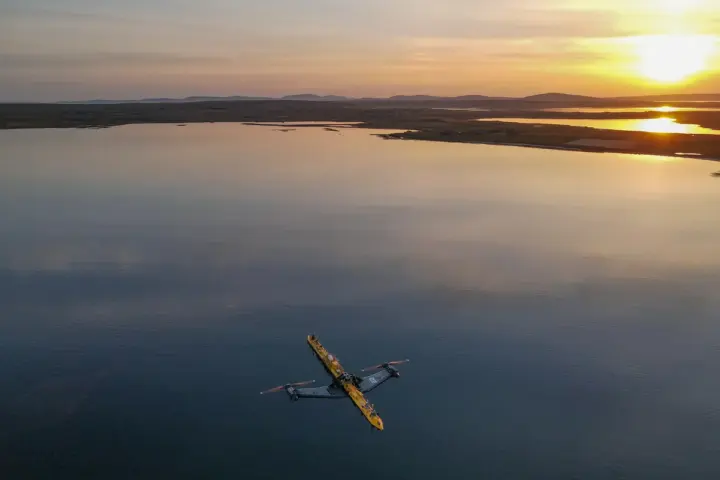
Bay of Fundy Tidal Array Clears Federal Approvals, But 6,600 Homes Still Wait on One Decision
Federal Approvals Cover All Six Floating Tidal Turbines for 15 MW Bay of Fundy Clean Energy Array Will tidal power ever be predictable enough to count on? Federal approvals now cover all
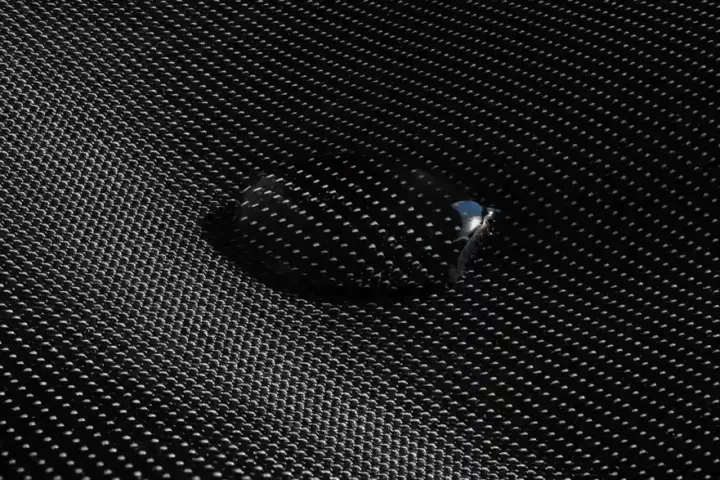
EU funds €6.75 million bid to ditch forever chemicals from workwear and firefighter gear
If your rain jacket or work trousers repel water, they may rely on a chemical coating. Some of those coatings contain PFAS, a family of “forever chemicals” many of which break down
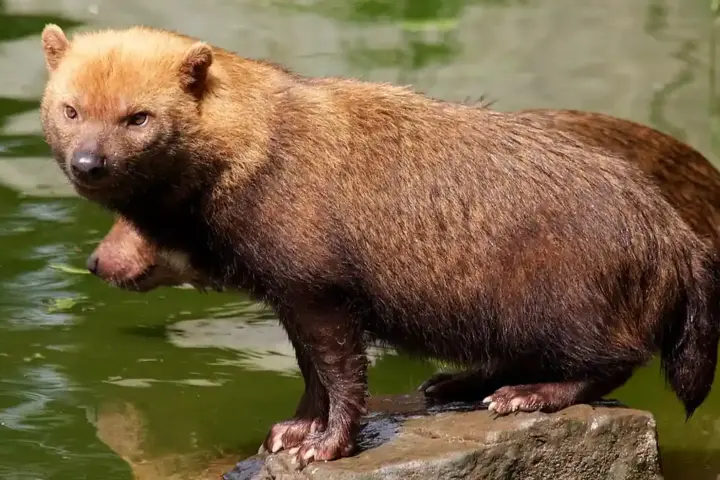
South American bush dog study logs 12 records across 611,159 camera-trap nights
Wildlife researchers have completed an extensive analysis of 25 years of pooled camera-trap surveys, providing a baseline for the South American bush dog at the sites and regions surveyed. Across the data,
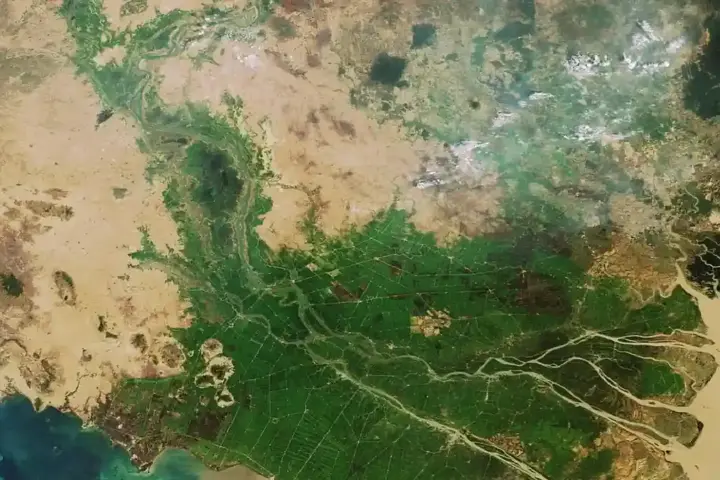
Mekong Delta mangrove aquaculture reaches 96% of its system target
In Vietnam’s Mekong Delta, a project combines shrimp, crab and fish farming with mangrove protection and restoration. It had installed 43 of 45 planned recirculating aquaculture systems, and aims to restore 18
DGT Soil Herbicide Test Predicts Risk to Wheat Roots Across Six South Australian Soils
Adelaide University researchers have shown that DGT, a soil sampling method, gave a more consistent prediction of herbicide risk to wheat roots than conventional residue tests. If you grow grain, you may

UK ADAPT Tests 355 Trees Across 12 Timber Species for Drought Resilience
Britain now has a four-year research project investigating which productive tree species are more resilient to drought. The ADAPT project, launched by Forest Research and Forestry England Westonbirt, The National Arboretum, is
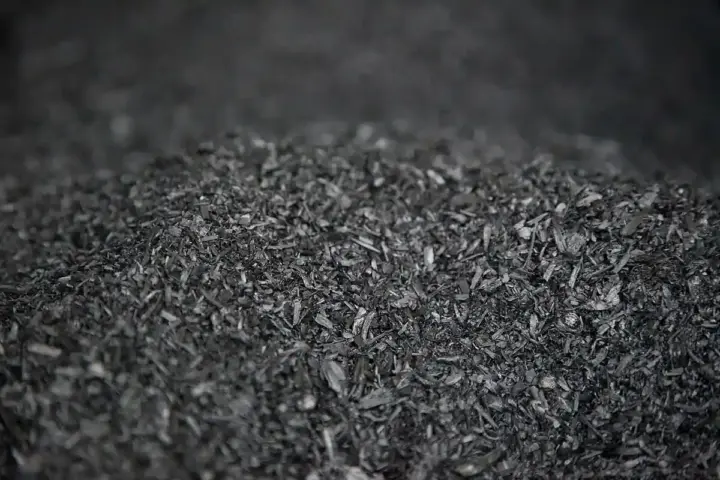
Coastal Soil Carbon: Biochar and Suaeda Salsa Lift Storage in 370-Day Lab Study
Salty soil can still hold carbon, and what you add to it may decide how much stays. A lab study on soil from China’s Yellow River Delta reports that corn straw biochar
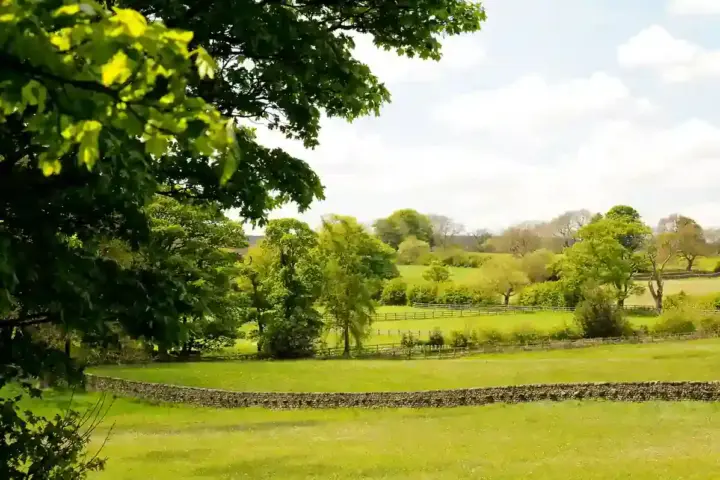
England Farmland Wildlife Schemes Hit 2.2 Million Hectares: Only Part of the Story
England Agri-Environment Indicator: Farmland Under Wildlife-Positive Scheme Actions Reaches 2.2 Million Hectares in 2025 Are farm payments actually helping the bees, birds and hedgerows near you? A new England agri-environment indicator suggests
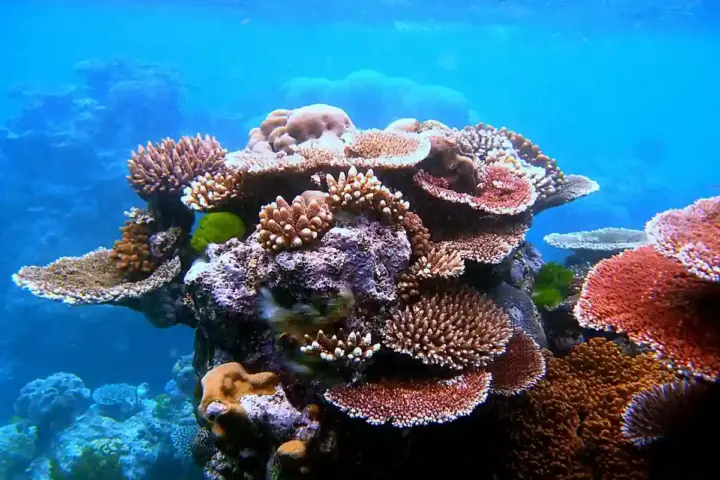
Only About 30% of Climate-Resilient Coral Reefs Are Protected, New Study Finds
Six Countries Join Science-Led Global Coalition to Protect Climate-Resilient Coral Reefs at COP31 If you live near a coral reef, or rely on one for fishing or tourism, you have probably wondered