Rahul Somvanshi
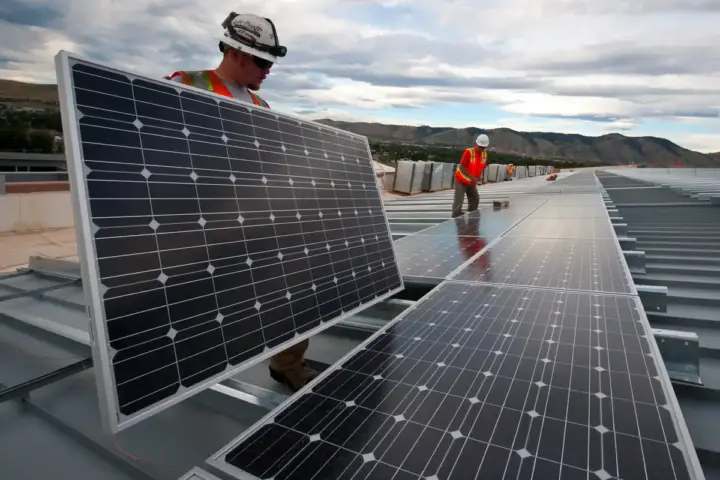
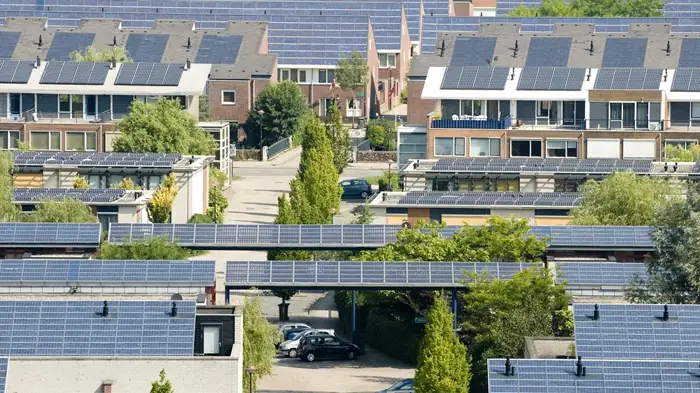
Solar farms produce the most power at midday, but homes need electricity after dark. PowerCell Group has now won a SEK 440 million order to help close that gap by converting green hydrogen back into electricity. The Swedish company will supply a fuel cell power plant for an electric cooperative in the southern United States. The plant is designed to produce electricity on demand, including overnight.
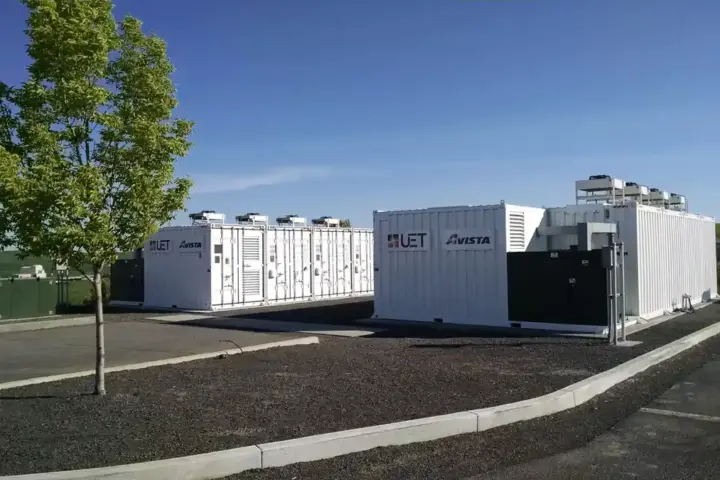
PowerCell Group announced the order in a press release dated 20 November 2026. The agreement was signed through its US subsidiary, PowerCell Inc. The customer is an established electric cooperative in the southern United States. The company did not name the cooperative. Green hydrogen is hydrogen produced with renewable electricity. In this project, that electricity is surplus solar power. That positions this cooperative alongside a broader global push for hydrogen-powered clean energy deployments. The installation is built on PowerCell’s containerized PowerPod 3000 platform. It combines proton exchange membrane (PEM) fuel cells with power conversion equipment, cooling and control software. PEM fuel cells generate electricity by combining hydrogen with oxygen. The plant will have 27 megawatts (MW) of installed fuel cell capacity and 20 MW of rated power. Delivery is expected over 18 to 24 months.
For households and businesses served by the cooperative, the practical change is timing. Sunlight captured at noon can be stored as hydrogen and turned back into electricity later. That suggests the same solar output could keep supplying power after sunset or during low-sun periods. This is an inference from how the system is described, not a measured result. The actual impact will depend on how the plant is operated.
How green hydrogen solar storage works
Think of hydrogen as a fuel tank for the grid. Solar fills it during daylight, and the fuel cells empty it when the sun is weak or gone. Green hydrogen is typically made using electrolysis, a process that splits water into hydrogen and oxygen using electricity. The announcement does not describe the hydrogen production equipment.
The plant also produces water. Fuel cells create water as a by-product when they turn hydrogen back into electricity. PowerCell says this creates an opportunity to recover and reuse that water, which could potentially reduce the system’s net water requirements. How much can be recovered depends on the final system configuration, operating conditions and water treatment requirements.
Richard Berkling, CEO of PowerCell Group, called the order “an important step in establishing Power Generation as our second major segment alongside Marine.”
He said the combination of energy and water is what makes the application interesting.
The parties intend to enter into a dedicated service level agreement before the plant is commissioned. Delivery is expected over 18 to 24 months, so this is a signed order, not a running plant. Readers in the UK and Australia will not see this plant locally. Solar output peaks at midday in many countries, so the timing gap is not unique to this project. That makes the approach possibly relevant in those markets, though the announcement does not mention any order there.
PowerCell Group has won a SEK 440 million order for a fuel cell plant with 27 megawatts of installed capacity in the southern United States. The plant will convert green hydrogen, made from surplus solar power, back into electricity when needed. Its water by-product may be recovered and reused. Delivery is expected over 18 to 24 months.