
Sila and Panasonic Energy Sign $1B+ Potential Titan Silicon Anode Deal to Power Domestic Battery Production
Sila and Panasonic Energy Sign $1B+ Potential Titan Silicon Anode Deal to Power Domestic Battery Production
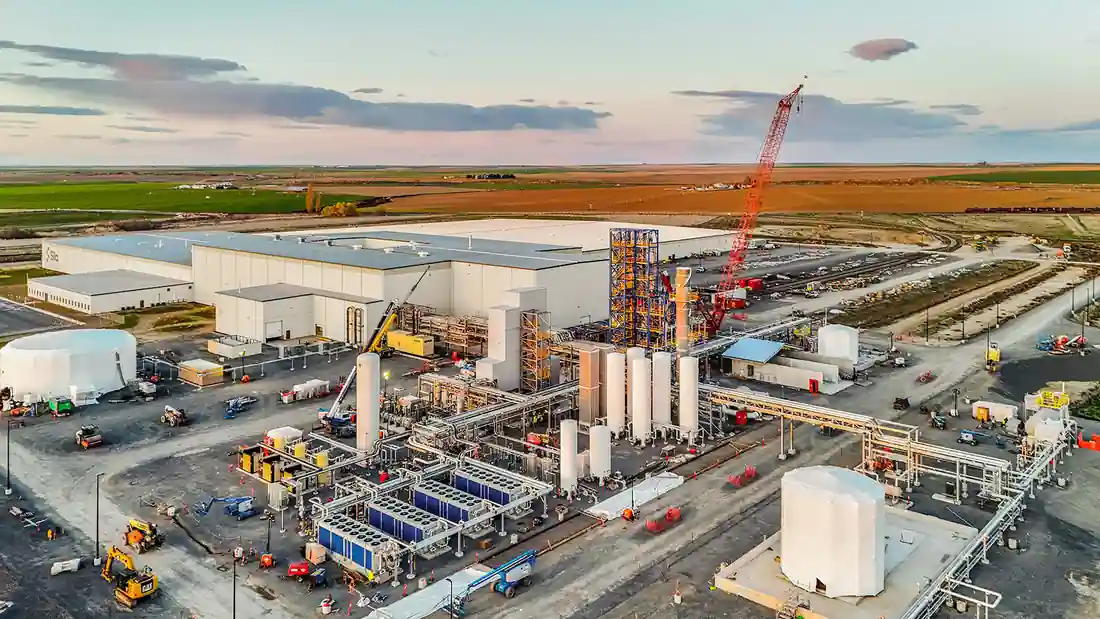
If you have ever wondered where the battery in an electric car comes from, part of the answer is taking shape in Washington state. Sila and Panasonic Energy have signed a multi-year commercial offtake agreement. Under the agreement, Sila will supply its Titan Silicon anode material from Moses Lake, Washington, to power Panasonic battery cells, with the supply aimed at Panasonic’s U.S. manufacturing sites. For Panasonic’s U.S. battery production, the agreement adds a domestic source of anode material.
The announcement came on November 18, 2026. Sila Nanotechnologies, which is based in Alameda, California, will supply the material from its plant in Moses Lake, Washington. The companies describe the agreement as part of a long-term commercial relationship. An offtake agreement is a purchase arrangement, and the companies have not disclosed detailed volumes or terms. The companies cite potential offtake of over $1 billion over time. Sila was founded in 2011 and launched Titan Silicon in 2021.
The anode is one of the key components inside a battery cell. Anode material can affect how much energy a cell can store, but whether that extends vehicle range depends on the full battery and vehicle design. Readers who want to see how recent changes affect EV buyers can read our guide to recent EV tax credit developments.
In a typical lithium-ion cell, the anode is the negative electrode and stores lithium ions during charging. Most anodes today rely on graphite. Silicon can theoretically store far more lithium than graphite, which is why researchers have pursued it for years. Sila’s proprietary Titan Silicon is a silicon-carbon (Si/C) anode material. Sila says it is intended for applications including drones, satellites, robotics and electric vehicles.
A separate study from University College London, published in Nature in November 2026, reports a UCL water-based iodine battery that transfers four electrons per reaction instead of two in lab cells.
Yasuaki Takamoto, CEO of Panasonic Energy Corporation of North America, said, “Sila’s rapid progress at Moses Lake—from breaking ground to production—has been exceptional.” Gene Berdichevsky, Sila’s co-founder and CEO, said the plant will be ready to supply high-performance materials to key strategic customers once qualified, and can expand as needed. He added, “Partnering with a global industry leader like Panasonic validates our technology.”

Latest from Energy
UCL’s Water-Based Iodine Battery Kept 96% Capacity After 1,000 Cycles—What the Lab Results Show
UCL Aqueous Battery Breakthrough: Four-Electron Iodine Storage Without Halogen Salts Concerns about battery fires often lead people to ask whether a home battery or a neighborhood power store is safe. This laboratory
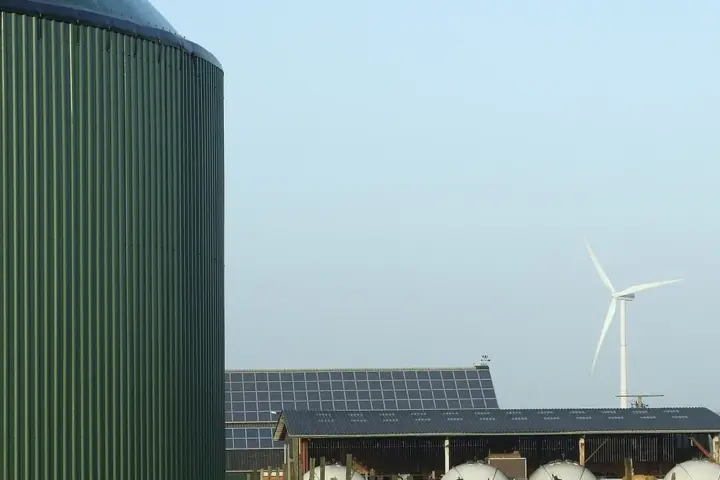
MIT and Georgia Tech Study: Excess Solar and Wind Energy Could Power Factories and AI
MIT and Georgia Tech Study: Excess Solar and Wind Energy Could Power Factories and AI Sunny, windy afternoons can leave the grid with more clean power than it can use. For anyone
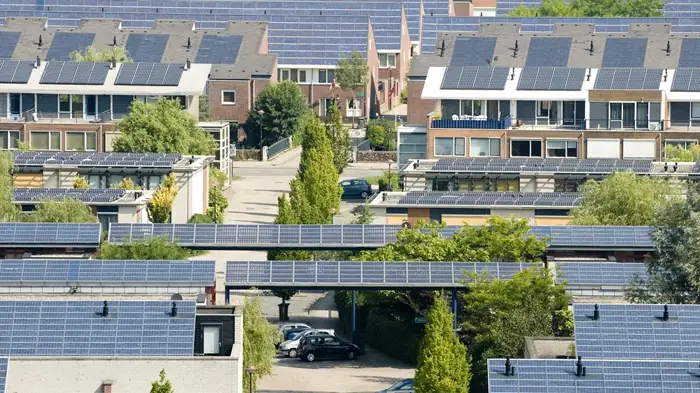
Residential Solar Heat Mortality: Rooftop Panels Cut Extreme-Heat Deaths by 8.5% in Japan
Residential solar heat mortality in Japan fell as rooftop panels spread across the country. A study in Social Science & Medicine reports the finding, and points to a practical way to keep
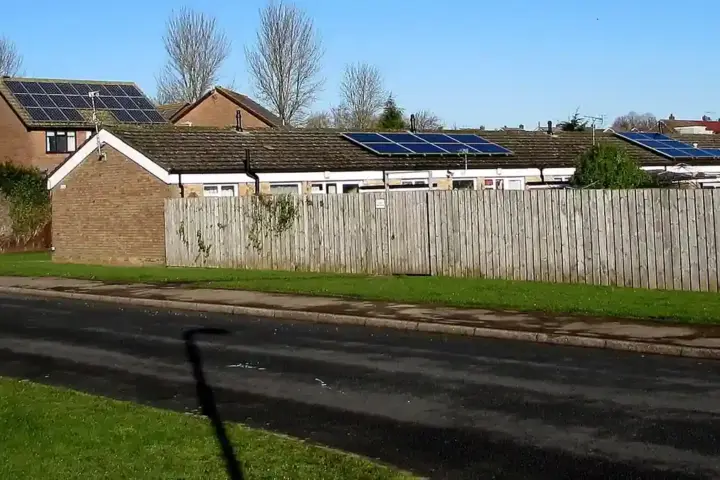
UK Rooftop Solar Record: 270,000+ Installations in 2026
For UK households weighing solar panels, new figures show rooftop solar installations are rising across homes, shops and community buildings. MCS data published on November 20 says the country passed 270,000 certified
Alkaline Water Electrolyzer Durability: 1,000-Hour Test Finds 5 Iron Triggers
Green hydrogen producers need electrolyzers that can run for long periods without costly maintenance. Trace iron in alkaline water electrolyzers can improve nickel-based anode activity, but it can also form metal branches
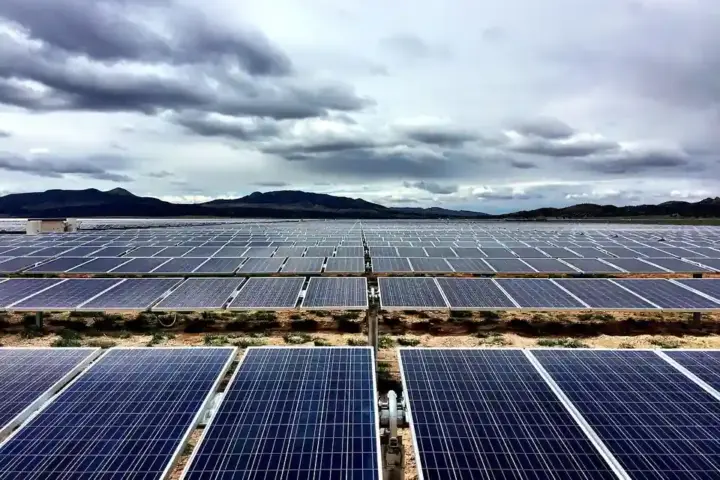
US Solar Module Prices Jump 35% Ahead of Dec. 4 Tariff Floor
US solar module prices are reshaping procurement for developers and installers pricing projects for late 2026. Imported modules and products that may help projects qualify for domestic-content incentives now sit much closer
Tesla Seeks Tax Break for $3.1B Nueces County Polysilicon Refinery
Tesla’s proposed Nueces County polysilicon refinery could add a domestic source of solar-grade polysilicon for high-efficiency solar cells. For US solar manufacturers, the plan comes as new federal import rules are due
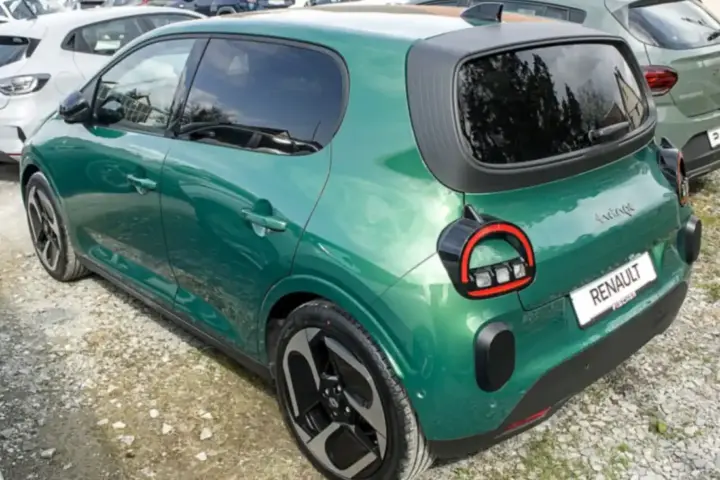
Renault Twingo E-Tech price starts at £14,745 in the UK after grant
UK drivers considering a new electric car may be drawn to the Renault Twingo E-Tech‘s £14,745 starting price. The Evolution trim is listed at that price after the full £3,750 Electric Car
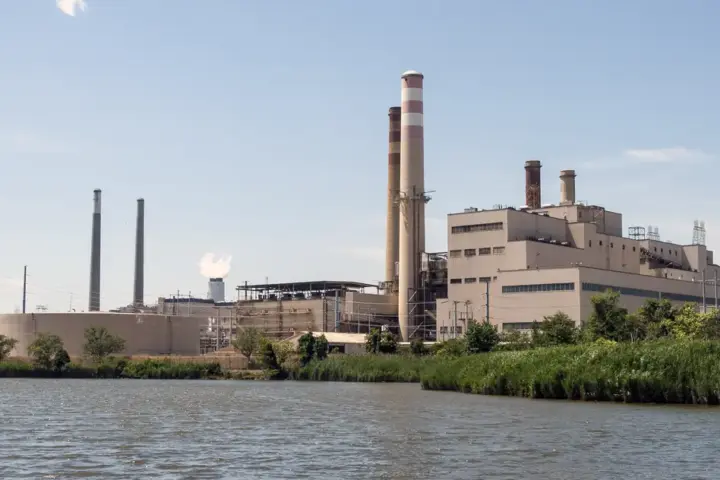
Wagner Unit 4 Order Extended by DOE for PJM Grid
The Wagner Unit 4 order now runs through December 31. For households and businesses across the Mid-Atlantic and parts of the Midwest, winter power reliability depends on whether the grid can meet
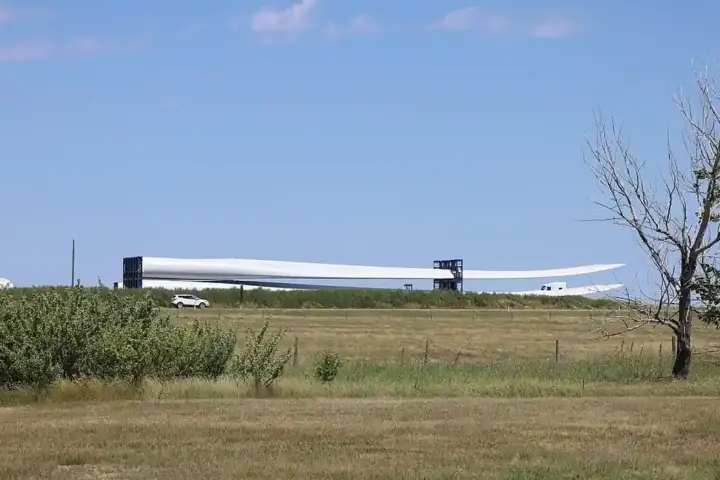
Wind-Turbine Loads Face 278km Detour at Queensland Bridge
Oversized wind-turbine components travelling through Queensland’s Western Downs can face a 278-kilometre detour because of restrictions at Dogwood Creek Bridge near Miles, the Australian Financial Review reported. The bridge is on the
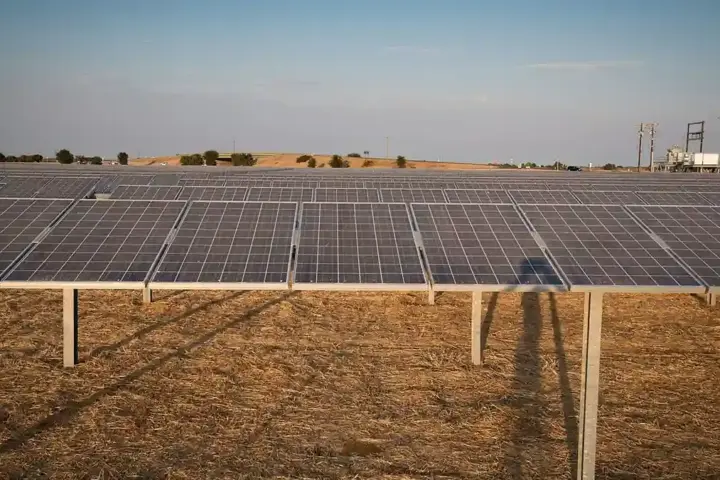
Tazewell County Approves Mackinaw Solar Project; Battery Proposal Delayed
The Tazewell County Board approved a conditional special-use permit for Mackinaw Solar on 18 November, according to local reporting and the county board agenda. The project is planned as a 500-megawatt solar
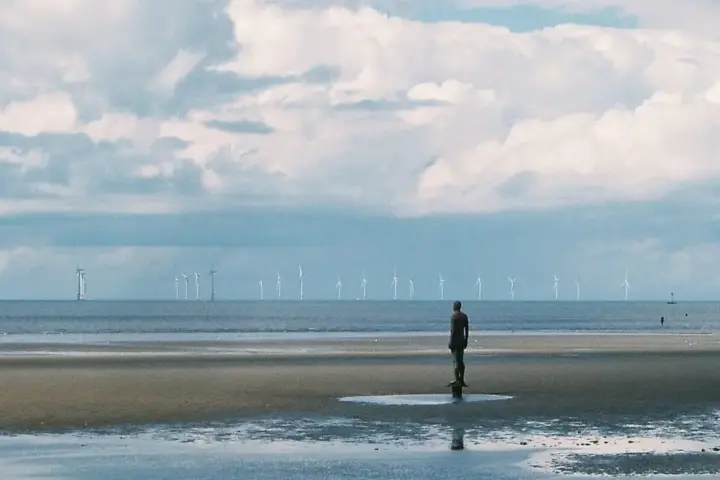
UK Allocation Round 8 Renewables Auction Sets an Initial Notional Budget of £1
UK households watching energy costs may wonder what a renewables auction with a £1 budget can actually buy. The UK government says the figure is an initial notional budget for each of
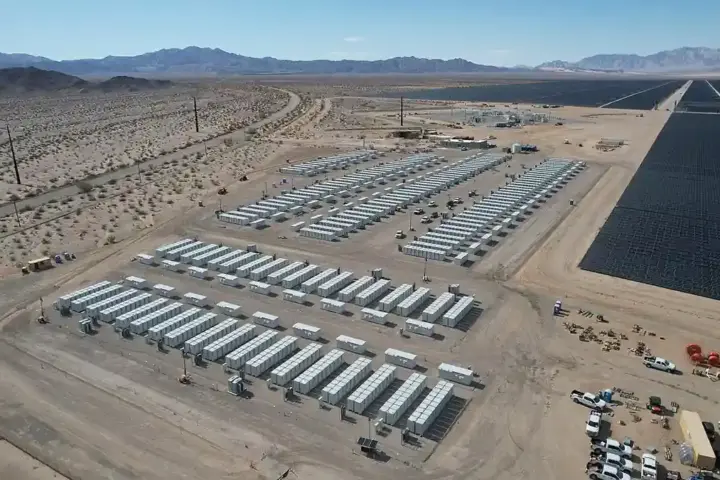
Sonnen Australia Enters Administration After Shell Exit, Leaving Battery Customers Uncertain
Two announcements arriving within weeks of each other have drawn a sharp line through Australia’s battery storage sector—one that marks the collapse of a residential pioneer, the other a major international player

Eyre Peninsula Blackout: Storm Collapses Transmission Towers, 24,000 Homes Without Power
A violent supercell storm tore through South Australia on Wednesday night, flattening multiple 25 to 30-metre steel transmission towers and plunging around 24,000 homes and businesses across the Eyre Peninsula into darkness.