Rahul Somvanshi
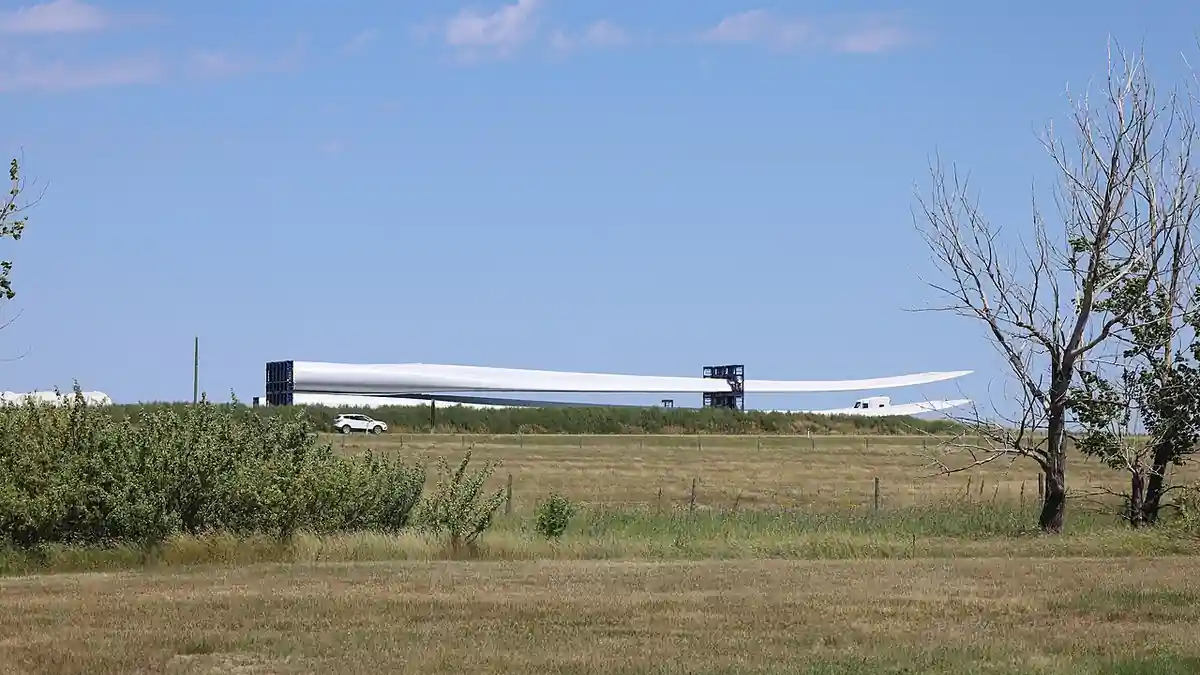
Oversized wind-turbine components travelling through Queensland’s Western Downs can face a 278-kilometre detour because of restrictions at Dogwood Creek Bridge near Miles, the Australian Financial Review reported. The bridge is on the Warrego Highway between Roma and Toowoomba, a route used by freight moving through the region.
The bridge has a stated weight limit of 175 tonnes, according to the report. Some wind-turbine transport loads exceed that limit, requiring an alternate route or makeshift local roads. The detour is tied to this bridge and route; it should not be presented as a nationwide delay affecting every wind project.
The report’s headline refers to 30,000 police escorts, but the underlying count, time period and geographic scope were not established in the materials reviewed. This article therefore does not state that figure as a verified number for the bridge, a project or Australia as a whole. The report also describes other constraints, including clearance, road condition and driver availability, but the supplied evidence does not quantify each one.
For communities and freight operators, the immediate issue is route access for unusually large loads. The route and detour can affect travel planning, while project-level schedule impacts depend on the specific load and construction timetable. No claim is made here that this bridge problem changes Australia’s 2030 renewable-energy outlook; no project-specific generation or delay estimate was verified.
The Dogwood Creek Bridge is a concrete transport bottleneck in the Queensland route described by the AFR. The 278-kilometre alternative is reported; the larger escort statistic needs a documented period and source before it can be used as a firm count.