Alkaline Water Electrolyzer Durability: 1,000-Hour Test Finds 5 Iron Triggers
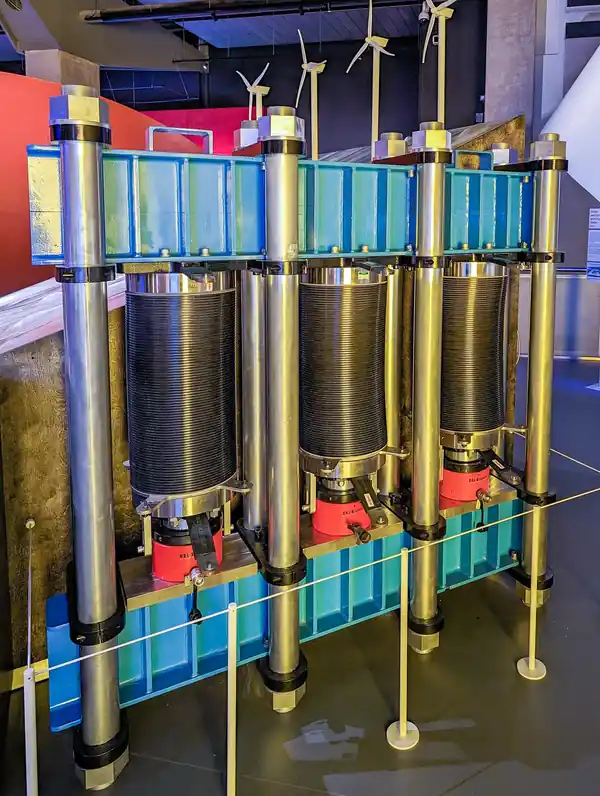
Green hydrogen producers need electrolyzers that can run for long periods without costly maintenance. Trace iron in alkaline water electrolyzers can improve nickel-based anode activity, but it can also form metal branches called dendrites on the cathode. If those branches grow far enough, they could threaten the separator between the cell’s electrodes.
Argonne National Laboratory and its partners tested the problem in cells operating for up to 1,000 hours. Their findings point to five factors that influence iron dendrite growth. That gives developers operating and design conditions to examine as they work to improve electrolyzer durability.
Argonne announced the study on November 19, 2026. The paper appeared online in *Joule* on August 25, 2026. Argonne worked with the National Laboratory of the Rockies, Oak Ridge National Laboratory, the University of California, Irvine, and TotalEnergies SE. The team studied alkaline water electrolyzers, which use electricity to split water into hydrogen and oxygen. Argonne says the research was funded by the U.S. Department of Energy’s Alternative Fuels and Feedstocks Office.
Iron can enter an electrolyzer in small amounts through commercial potassium hydroxide, a chemical used in the alkaline electrolyte. It can also enter through corrosion in steel plant equipment. The study found that iron incorporation can enhance nickel-based anode activity. Iron can also collect on the cathode, where hydrogen is produced, and form dendrites.


Latest from Energy
US Solar Module Prices Jump 35% Ahead of Dec. 4 Tariff Floor
US solar module prices are reshaping procurement for developers and installers pricing projects for late 2026. Imported modules and products that may help projects qualify for domestic-content incentives now sit much closer
Tesla Seeks Tax Break for $3.1B Nueces County Polysilicon Refinery
Tesla’s proposed Nueces County polysilicon refinery could add a domestic source of solar-grade polysilicon for high-efficiency solar cells. For US solar manufacturers, the plan comes as new federal import rules are due
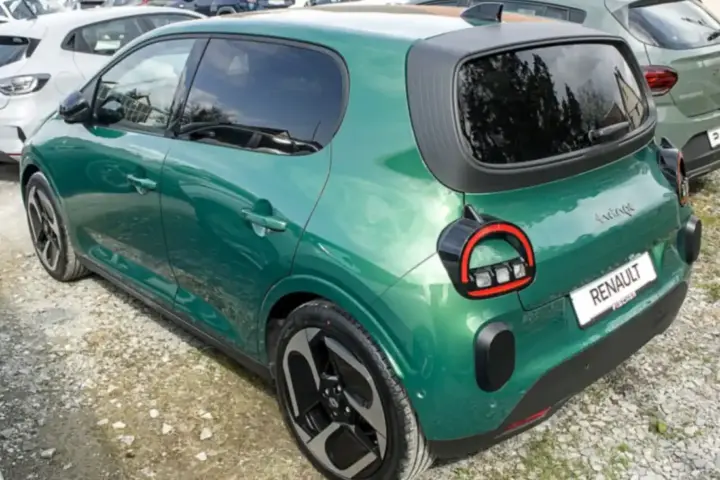
Renault Twingo E-Tech price starts at £14,745 in the UK after grant
UK drivers considering a new electric car may be drawn to the Renault Twingo E-Tech‘s £14,745 starting price. The Evolution trim is listed at that price after the full £3,750 Electric Car
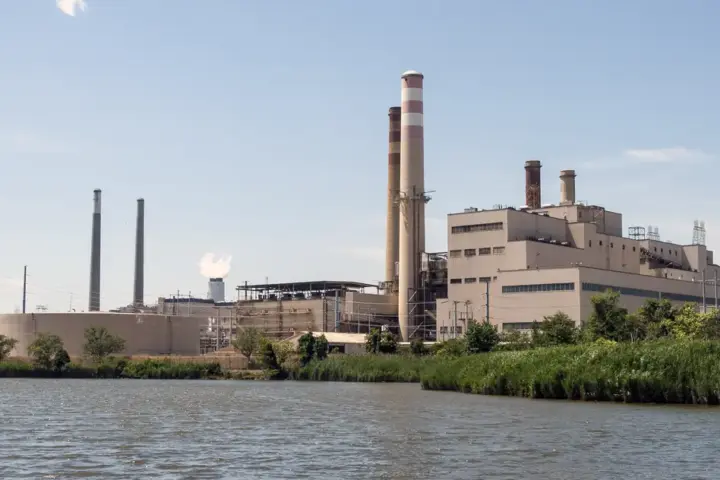
Wagner Unit 4 Order Extended by DOE for PJM Grid
The Wagner Unit 4 order now runs through December 31. For households and businesses across the Mid-Atlantic and parts of the Midwest, winter power reliability depends on whether the grid can meet
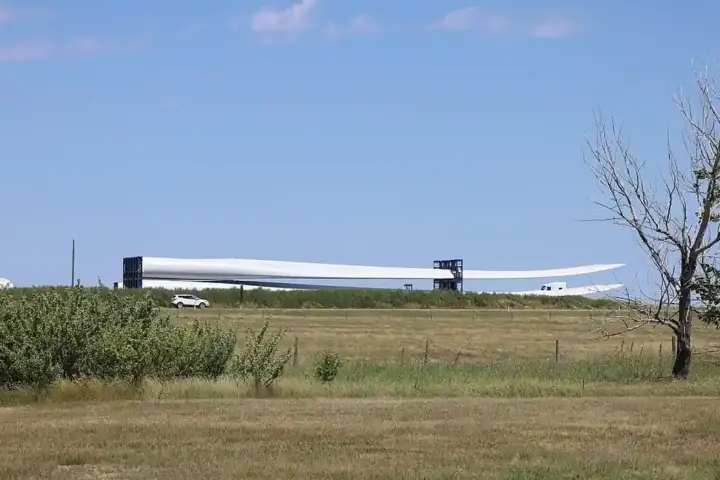
Wind-Turbine Loads Face 278km Detour at Queensland Bridge
Oversized wind-turbine components travelling through Queensland’s Western Downs can face a 278-kilometre detour because of restrictions at Dogwood Creek Bridge near Miles, the Australian Financial Review reported. The bridge is on the
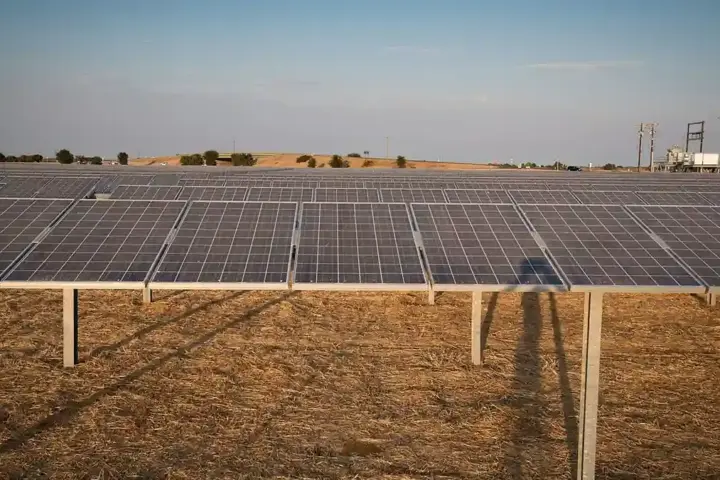
Tazewell County Approves Mackinaw Solar Project; Battery Proposal Delayed
The Tazewell County Board approved a conditional special-use permit for Mackinaw Solar on 18 November, according to local reporting and the county board agenda. The project is planned as a 500-megawatt solar

UK Allocation Round 8 Renewables Auction Sets an Initial Notional Budget of £1
UK households watching energy costs may wonder what a renewables auction with a £1 budget can actually buy. The UK government says the figure is an initial notional budget for each of
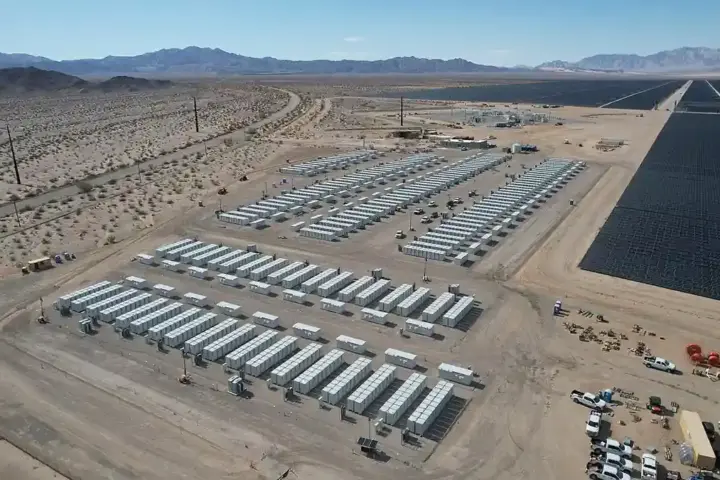
Sonnen Australia Enters Administration After Shell Exit, Leaving Battery Customers Uncertain
Two announcements arriving within weeks of each other have drawn a sharp line through Australia’s battery storage sector—one that marks the collapse of a residential pioneer, the other a major international player
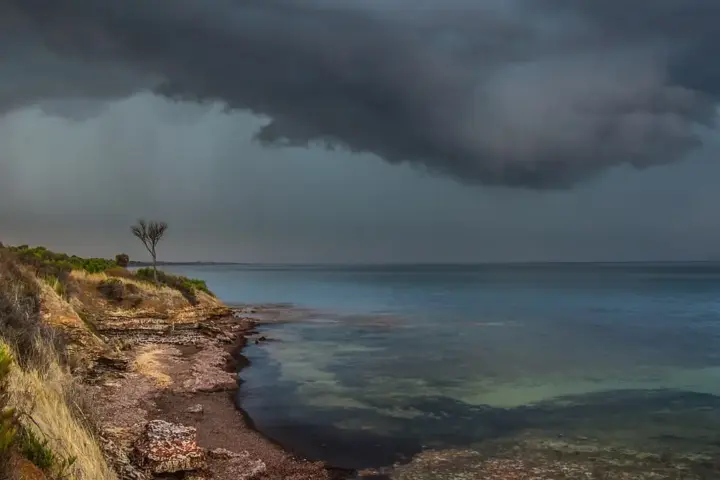
Eyre Peninsula Blackout: Storm Collapses Transmission Towers, 24,000 Homes Without Power
A violent supercell storm tore through South Australia on Wednesday night, flattening multiple 25 to 30-metre steel transmission towers and plunging around 24,000 homes and businesses across the Eyre Peninsula into darkness.
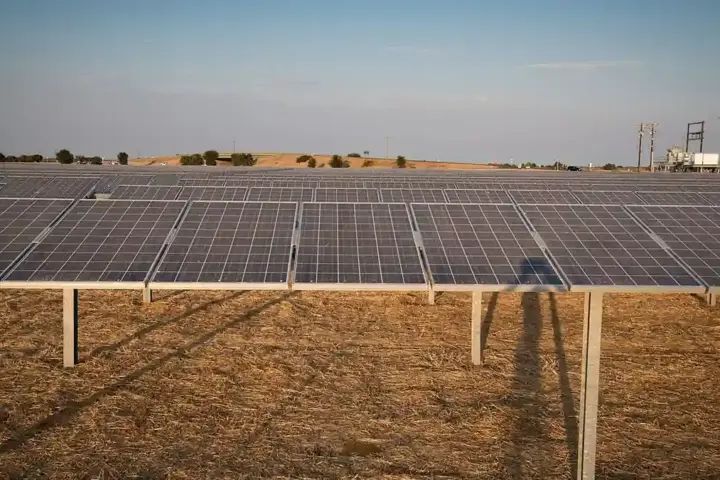
Heron Power Says Intersect Has Reserved 1.5 GW of California-Made Converters
If you build solar farms or plan power for data centers, the hardware that turns panel power into grid power has to be secured early. Heron Power says Intersect has reserved 1.5
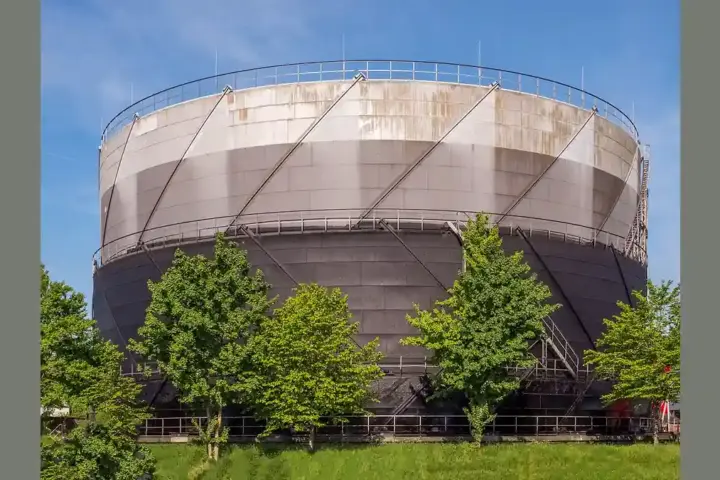
SSE to Close Atwick Gas Storage Site From Summer 2027 Unless Ministers Act
Will Britain have enough gas in store when the cold arrives? That question got harder on 18 November 2026. SSE has said it plans to close a major storage site on the
Australia’s Clean Energy Regulator Suspends Solar Power Nation From Rebate Scheme
If you paid Solar Power Nation for a solar installation and nothing has been arranged, here is what you need to know. Australia’s Clean Energy Regulator has permanently suspended the company from
Solar Generator for Whole House Backup: 240V Systems, Transfer Switches, and Sizing Guide
The Grid Is Not as Reliable as You Think The U.S. grid lost more than 1.2 billion customer-hours of power in 2023, according to the EIA. That number has climbed every year

Floating Solar on US Reservoirs: USACE NWP 52 Permits, Evaporation Savings, and Mooring Engineering
Floating Solar on U.S. Reservoirs: The Complete USACE NWP 52 Permitting and Engineering Guide A floating solar project that uses the wrong permitting category can lose 12–18 months to individual USACE review.
Perovskite Solar Cells Hit 33.9% Efficiency — When Will They Reach Your Roof?
Perovskite Solar Cells Commercialization: What the 33.9% Record Means for Buyers Today Certified lab efficiency records for perovskite-silicon tandem solar cells have passed 33.9%. If you are waiting to install solar until