NIH Ultra-Processed Food Research Targets Packaging Contaminants

Latest from Health
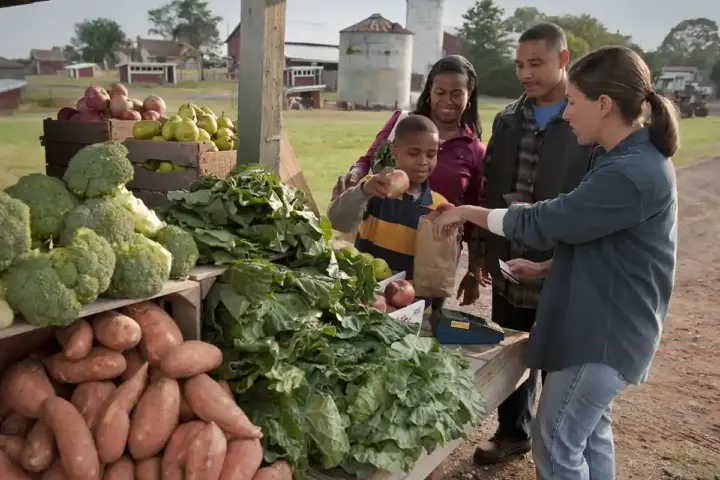
Medicare Advantage Food Benefits Face New ‘Healthy Food’ Standard Under 2028 CMS Rule
If you rely on Medicare Advantage for help with food, a regular doctor, or emergency care, a proposed federal rule could change what your plan covers in 2028. CMS wants plans to

NYC Mayor Zohran Mamdani Says Achilles Tear Requires Walking Boot
### STORY 10 — PRIORITY #10 Zohran Mamdani Achilles Tear: NYC Mayor Says He Will Wear a Boot New York City Mayor Zohran Mamdani said he tore his Achilles tendon during a
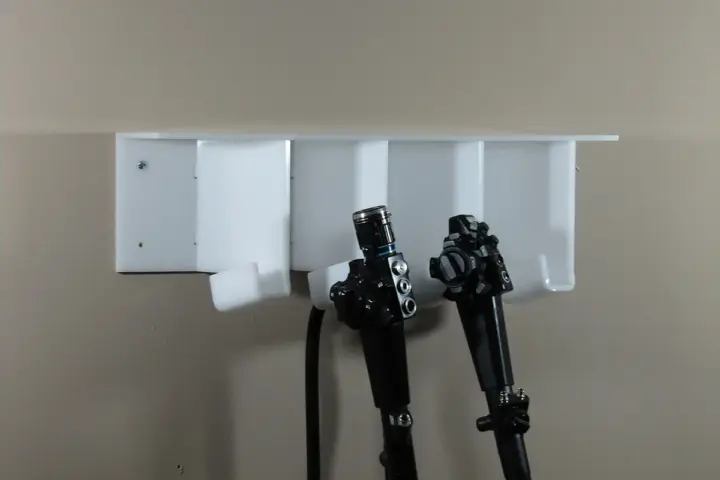
FDA Classifies Diversatek SafeGuide Guidewire Recall Class 2
The Diversatek SafeGuide guidewire recall covers two models that clinics and hospitals should check for: model 1214-02, lot 244736, and model 1214-02D, lots 245290 and 245321. The FDA classified both listings as

Glasgow hospital inquiry deaths linked to contaminated water
The families of patients who died at two Glasgow hospitals have spent years arguing that the buildings themselves were dangerous. At the Scottish Hospitals Inquiry, they finally heard the health board say
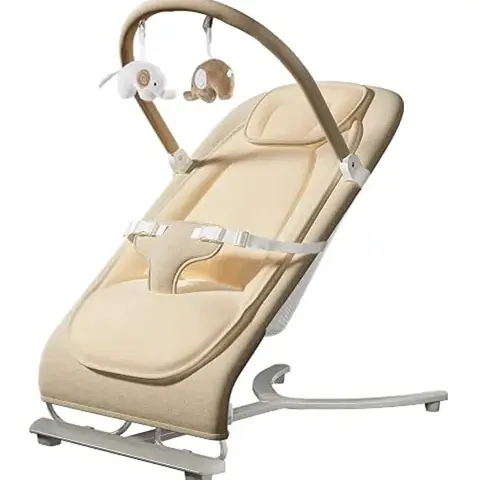
Kidsview Infant Bouncer Recall After 7 Collapses and 2 Infant Head Strikes
If you have a khaki Kidsview infant bouncer at home—or received one secondhand—stop using it and check the label on the back of the fabric seat. The U.S. Consumer Product Safety Commission

Daraxonrasib Trial Reports 13.2-Month Median Survival in Pancreatic Cancer
### STORY 1 — PRIORITY #1 Daraxonrasib Pancreatic Cancer Trial Reports 13.2-Month Median Survival For people with metastatic pancreatic cancer whose disease has progressed after earlier treatment, a once-daily pill is being
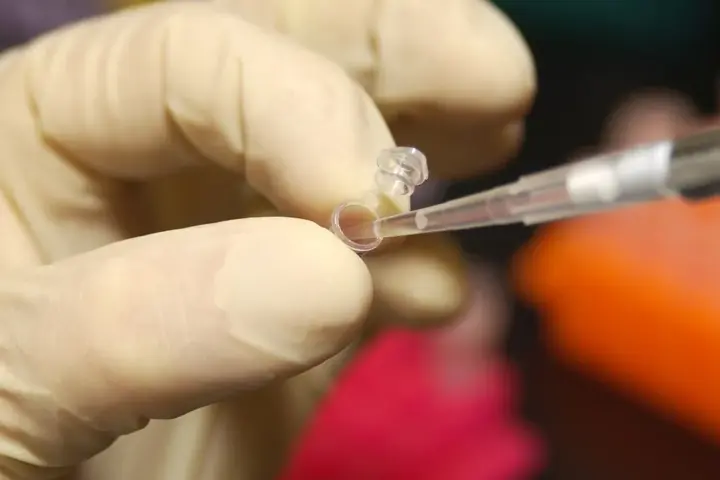
Endometriosis Genetic Study Findings: 27 New Regions and 314 Genes
Chronic pelvic pain and fertility challenges can lead people to seek answers about their symptoms. The endometriosis genetic study findings come from an NIH-supported analysis of more than 1 million participants. The

Next baby sleeping bag recall cites infant suffocation hazard
Parents across the UK should check their nurseries tonight. The Next baby sleeping bag recall issued this week covers a product designed to keep infants warm through the night, yet the item
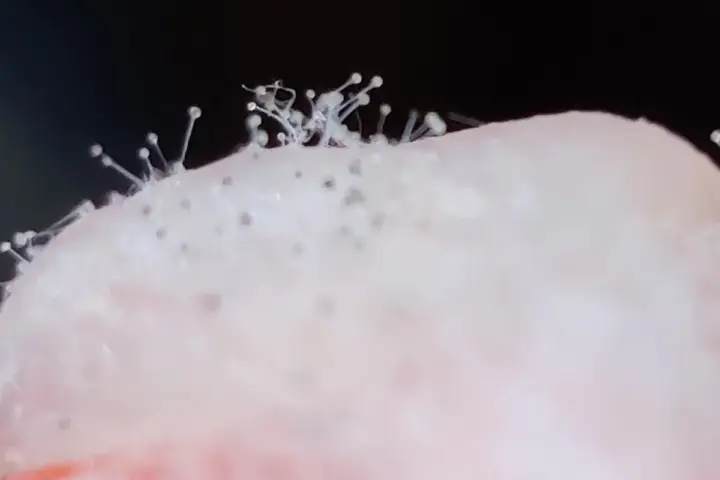
Mycotoxins found in 212 tested plant-based foods, study reports levels below EU guidelines
People who eat plant-based burgers, sausages or milk alternatives may be concerned by a study finding fungal toxins in every product tested. Researchers examined 212 UK products and detected at least one

Daraxonrasib pancreatic cancer pill: FDA approval covers previously treated metastatic disease
Patients with advanced pancreatic cancer and their families may be asking whether daraxonrasib offers another treatment option after chemotherapy. The medicine, developed by Revolution Medicines and marketed as RASONQUE, is an oral
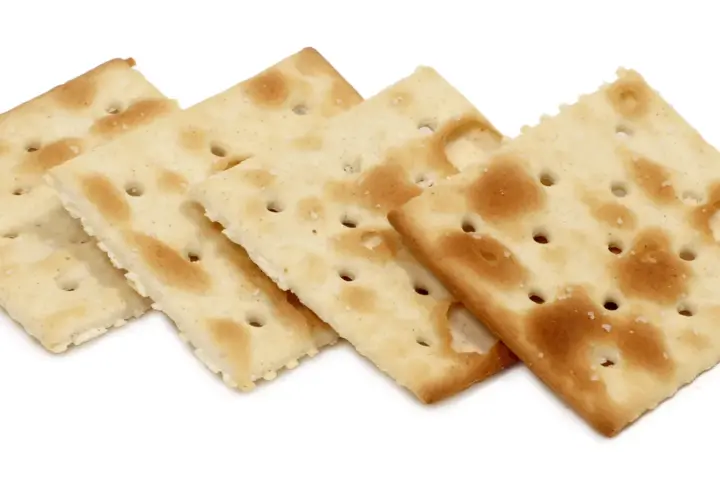
Sanniu Biscuits in California and 3 Other States Recalled Over Undeclared Milk and Shrimp
If you have a milk allergy and bought Sanniu biscuits in California, Illinois, Massachusetts, or New York, check the package before eating them. If you have a shrimp allergy, check Salt and

Alice Webb Inquest Hears Traces of Filler Found in Four Organs
The inquest into Alice Webb’s death heard that traces of cosmetic filler were found in her heart, lungs, brain and kidneys after a Brazilian butt-lift procedure. Webb was 33. The evidence reported
The Qpancy Pajama Recall: 1,309 Amazon Children’s Sets Pulled Over Burn Hazard — Refund Steps
If you bought Qpancy matching pajamas for a child and their doll on Amazon this year, check the labels and prints before your child wears them again. The U.S. Consumer Product Safety
Wegovy Pill Approved in Australia: Four Strengths, Prices and How to Take It
Australians considering prescription treatment for weight management can now ask about Wegovy in tablet form. The Therapeutic Goods Administration approved the tablets on 2 November 2026 and registered them on 3 November.
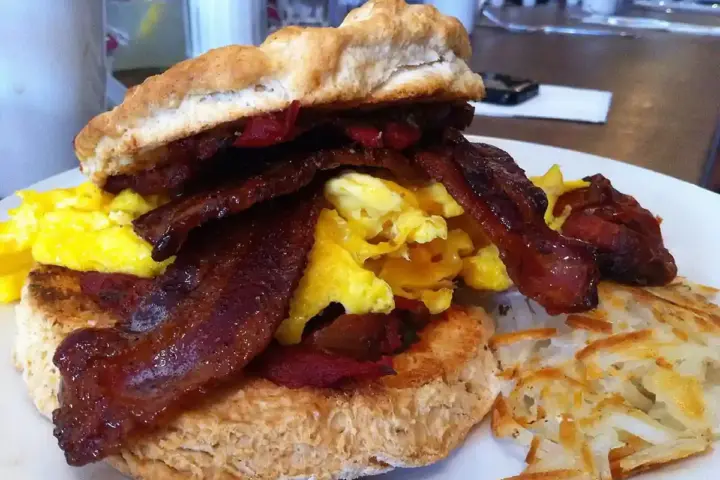
Lunch Box Biscuit Recall in NC, SC, and VA: Check These 4 UPCs and Julian Codes for Listeria Risk
If you bought a Lunch Box biscuit sandwich at a convenience store or from a vending machine in North Carolina, South Carolina, or Virginia, check its label before eating it. Grand Strand