 Tejal Somvanshi
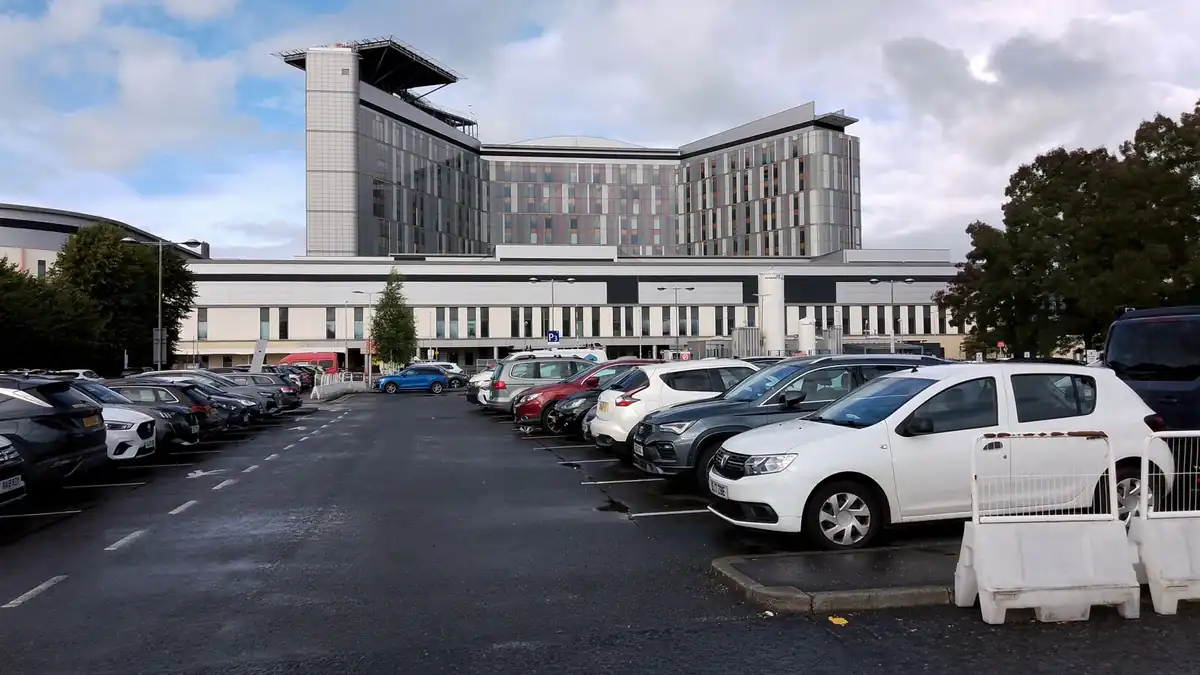
The families of patients who died at two Glasgow hospitals have spent years arguing that the buildings themselves were dangerous. At the Scottish Hospitals Inquiry, they finally heard the health board say out loud what those families have long believed. NHS Greater Glasgow and Clyde accepted in its closing submission that there was probably a causal connection between patient infections and the hospital environment. The Glasgow hospital inquiry avoidable deaths question is now closer to a formal answer, though the final word belongs to Lord Brodie’s report.
The inquiry, chaired by Lord Brodie, is examining the construction and opening of the Queen Elizabeth University Hospital campus and the Royal Hospital for Children in Glasgow, as well as the Department of Clinical Neurosciences in Edinburgh. Seven deaths are under investigation. They include Molly Cuddihy and Andrew Slorance, a former Scottish Government civil servant. The health board apologised and stated the hospitals are safe today. Lord Brodie confirmed on 12 November that no further evidence will be taken. The final report is expected in spring 2027.
For the families involved, NHS Greater Glasgow and Clyde accepted a probable causal connection between infections and the hospital environment, particularly the water system. The inquiry will take no new evidence, so the final report in spring 2027 becomes the decisive document. Police have already sent a standard prosecution report to the Crown Office covering four of the seven deaths, but any prosecutorial decisions remain for the Crown Office and police, independently of the inquiry report.
Contaminated Water, Ventilation and a 15-Year Warning
The inquiry has examined contaminated water, inadequate ventilation and the premature opening of the Glasgow hospitals. It was launched in 2019 after deaths linked to infections, including that of 10-year-old Milly Main in 2017. Dr Michael Bradnam told the inquiry he spent 15 years raising concerns about ventilation, electrical safety and humidity control and received no formal response. Molly Cuddihy contracted *Mycobacterium chelonae*; any specific source attribution should be attributed to the inquiry evidence or submissions. Andrew Slorance died at the Queen Elizabeth University Hospital in December 2020 after contracting Covid during cancer treatment. The inquiry is examining whether systemic failures contributed. For context on how hospitals can become environments of risk, see this report on a recent hospital safety incident. For broader pressures on public health systems, read about public health system pressures.
The Scottish Hospitals Inquiry’s final report is expected in spring 2027. Lord Brodie confirmed on 12 November 2026 that no further evidence will be taken. The inquiry has examined contaminated water, ventilation and the premature opening of the Queen Elizabeth University Hospital and the Royal Hospital for Children in Glasgow.
The health board’s apology and admission will not close the wound for these families. The report will. If that report confirms the causal link the board has already accepted, any prosecutorial decisions remain for the Crown Office and police, independently of the inquiry report. The families have waited years. They will wait a little longer.