Endometriosis Genetic Study Findings: 27 New Regions and 314 Genes
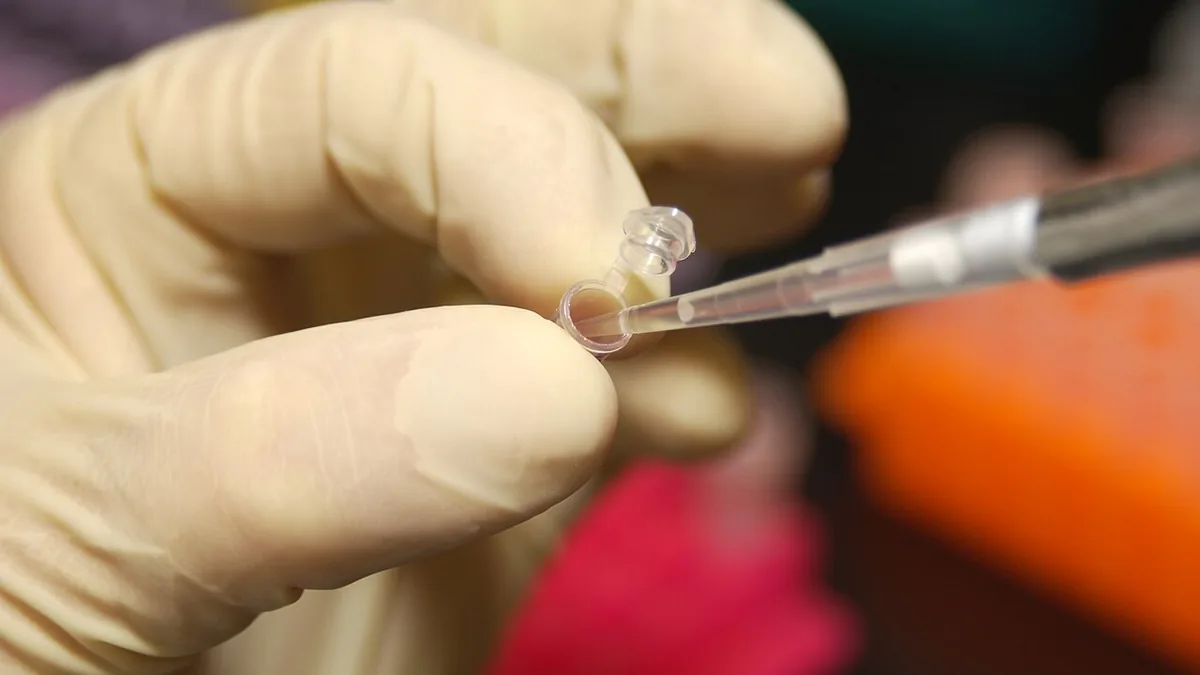
Chronic pelvic pain and fertility challenges can lead people to seek answers about their symptoms. The endometriosis genetic study findings come from an NIH-supported analysis of more than 1 million participants. The study identified genetic associations not previously reported in analyses of people of African and Admixed-American ancestry. The findings may guide future research, but they do not yet offer a genetic test or a new treatment.
Published in Nature Genetics on November 20, 2026, the international study drew on data from 14 biobanks. More than 30% of participants were of non-European ancestry. Researchers identified 58 genomic regions linked to endometriosis, including 27 not previously reported. Further analysis implicated 314 genes and found shared genetic links with 135 other health conditions or traits.
The study was supported by the NIH’s Eunice Kennedy Shriver National Institute of Child Health and Human Development (NICHD). Endometriosis affects up to one in 10 women worldwide and can cause severe pain and fertility challenges. Senior author Shefali Setia-Verma, an assistant professor at the University of Pennsylvania, said the findings could guide future research that may eventually lead to better diagnosis, personalized risk assessment and treatments.
For people living with endometriosis, the results offer researchers biological leads to investigate. The 58 regions and 314 genes could guide future work on risk assessment, diagnostic tools and treatments that target disease mechanisms. But the study does not establish a blood test, explain an individual patient’s symptoms or provide a treatment ready for clinical use. Those possibilities depend on further research.



Latest from Health

Next baby sleeping bag recall cites infant suffocation hazard
Parents across the UK should check their nurseries tonight. The Next baby sleeping bag recall issued this week covers a product designed to keep infants warm through the night, yet the item
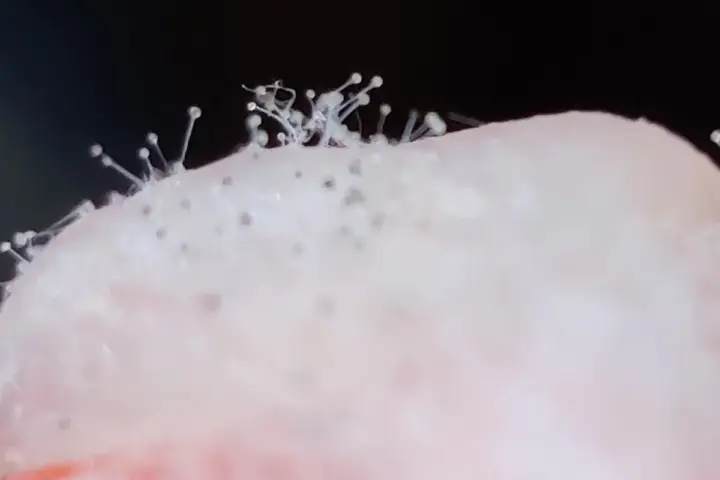
Mycotoxins found in 212 tested plant-based foods, study reports levels below EU guidelines
People who eat plant-based burgers, sausages or milk alternatives may be concerned by a study finding fungal toxins in every product tested. Researchers examined 212 UK products and detected at least one

Daraxonrasib pancreatic cancer pill: FDA approval covers previously treated metastatic disease
Patients with advanced pancreatic cancer and their families may be asking whether daraxonrasib offers another treatment option after chemotherapy. The medicine, developed by Revolution Medicines and marketed as RASONQUE, is an oral
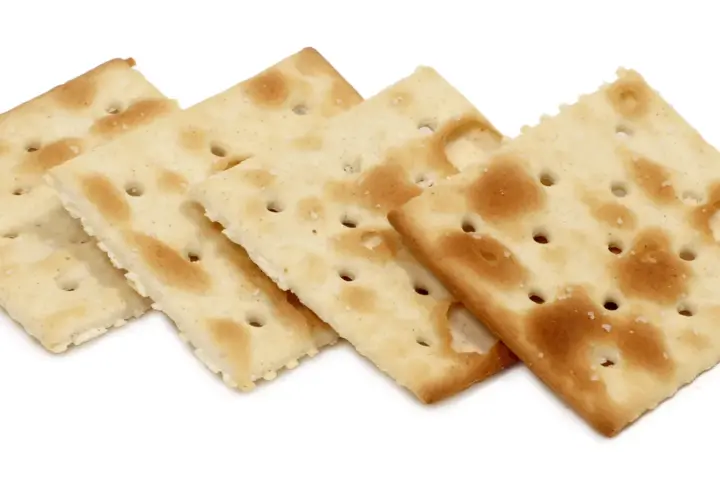
Sanniu Biscuits in California and 3 Other States Recalled Over Undeclared Milk and Shrimp
If you have a milk allergy and bought Sanniu biscuits in California, Illinois, Massachusetts, or New York, check the package before eating them. If you have a shrimp allergy, check Salt and

Alice Webb Inquest Hears Traces of Filler Found in Four Organs
The inquest into Alice Webb’s death heard that traces of cosmetic filler were found in her heart, lungs, brain and kidneys after a Brazilian butt-lift procedure. Webb was 33. The evidence reported

The Qpancy Pajama Recall: 1,309 Amazon Children’s Sets Pulled Over Burn Hazard — Refund Steps
If you bought Qpancy matching pajamas for a child and their doll on Amazon this year, check the labels and prints before your child wears them again. The U.S. Consumer Product Safety

Wegovy Pill Approved in Australia: Four Strengths, Prices and How to Take It
Australians considering prescription treatment for weight management can now ask about Wegovy in tablet form. The Therapeutic Goods Administration approved the tablets on 2 November 2026 and registered them on 3 November.
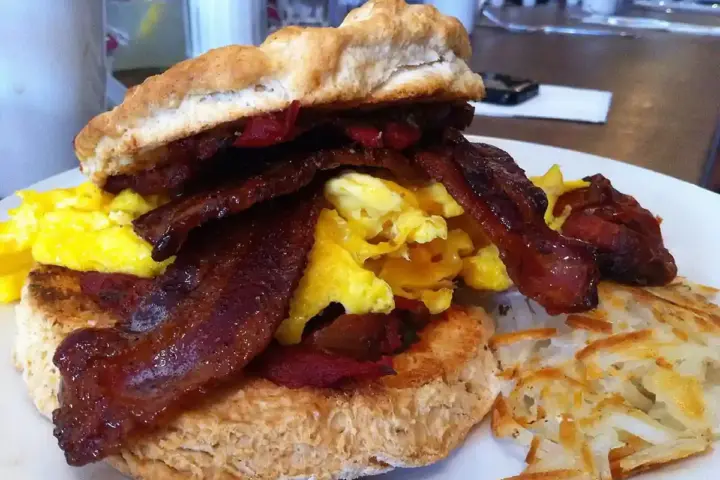
Lunch Box Biscuit Recall in NC, SC, and VA: Check These 4 UPCs and Julian Codes for Listeria Risk
If you bought a Lunch Box biscuit sandwich at a convenience store or from a vending machine in North Carolina, South Carolina, or Virginia, check its label before eating it. Grand Strand
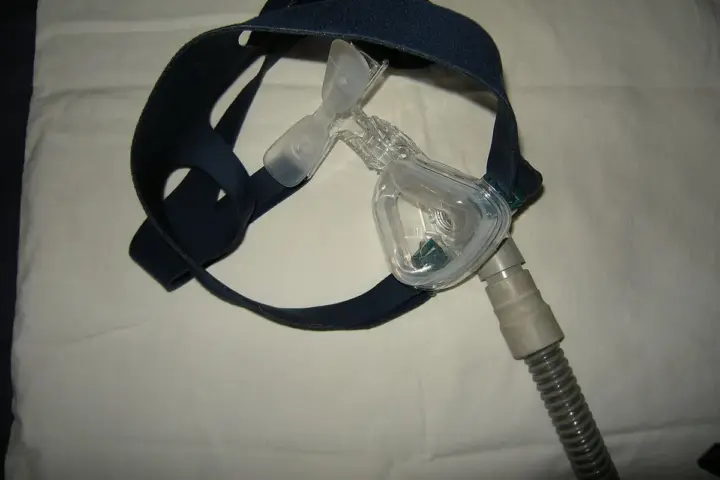
React Health Luna G3 BPAP System Recall: 7,533 Devices Over Pressure Data Error
If you use a Luna G3 BPAP machine at home for sleep apnea, do not stop your therapy and do not change the settings on your own. The manufacturer is recalling 7,533
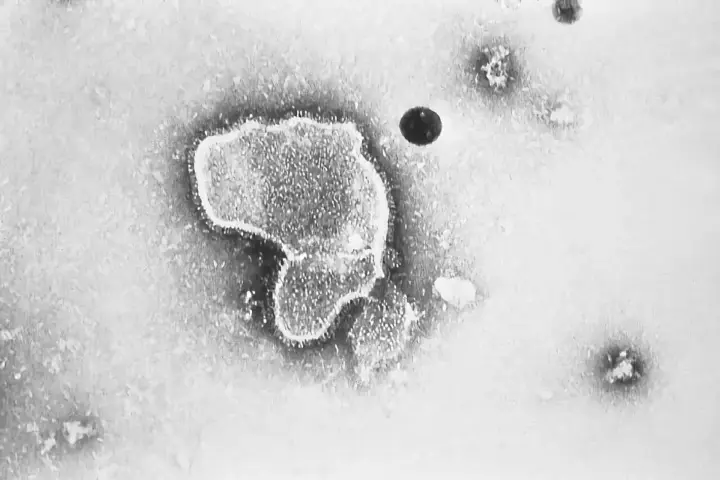
CDC Respiratory Virus Report: 65 RSV and COVID-19 Pediatric Deaths as BA.3.2 Rises
If a baby or an older adult in your family catches a respiratory illness this winter, age decides a lot. A new CDC respiratory virus report counts the children who died during

Viral diabetes food lists lack clinical evidence, so no single food can be confirmed safe or harmful
Diabetes diet foods lists spread fast on phones and social media. One says eggs are fine. Another says rice is banned. You want to protect your health or a family member’s health,
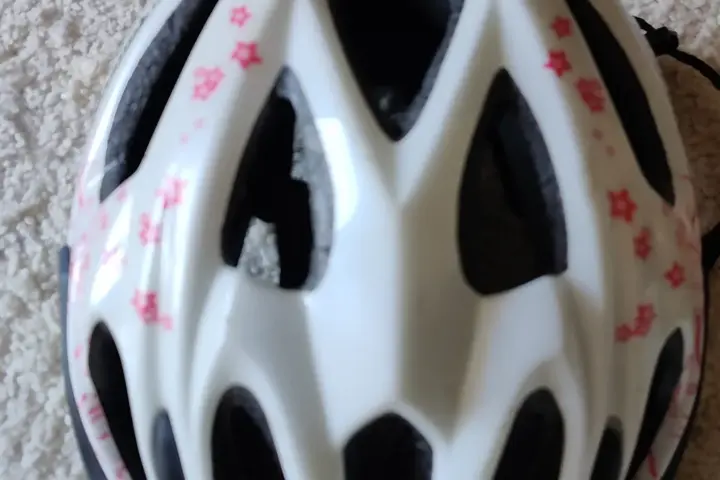
Cipton Bike Helmet Recall: 16,730 Youth Helmets Sold at Dick’s and JCPenney
If your child rides a bike in a white helmet with a built-in LED light strip, check the inside label now. A Cipton bike helmet recall covers 16,730 youth helmets sold at

CDC Sodium Report 2026: Average Daily Sodium Intake Falls to 3,104 mg, Still Above 2,300 mg Limit
If you have been trying to cut back on salt, new federal numbers offer some good news and a clear warning. Average daily sodium intake among Americans age 1 and older fell

CHE-US Magnet Toy Recall: 101,282 Stick Figures Sold on Amazon Over Ingestion Risk
The CHE-US magnet toy recall covers about 101,282 magnetic robot stick figures sold on Amazon.com, and parents should take them away from children now. The U.S. Consumer Product Safety Commission announced the
Critical antibiotic resistance reports jump 25.2 percent in Australia during 2024, AMA warns
You leave the doctor with a script for antibiotics. After two days you feel better, and you wonder if you still need the rest. Or you ask for antibiotics to clear a