Rahul Somvanshi
Will Britain have enough gas in store when the cold arrives? That question got harder on 18 November 2026. SSE has said it plans to close a major storage site on the Yorkshire coast. For households and businesses, stored gas helps cushion sudden price jumps. Fewer places to keep it means less protection when supply tightens.
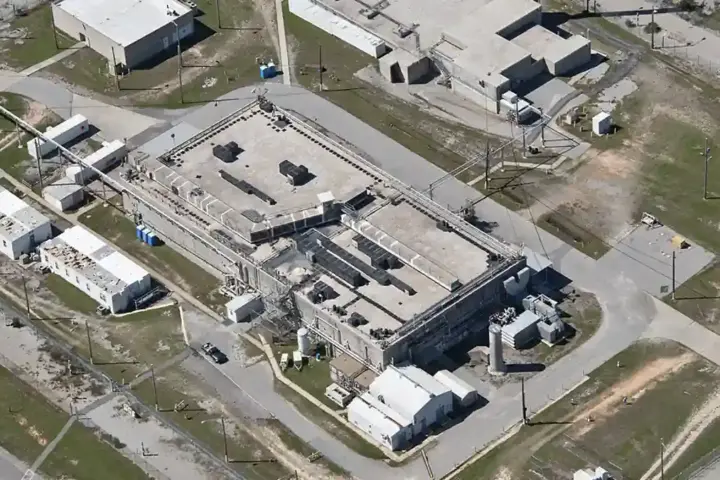
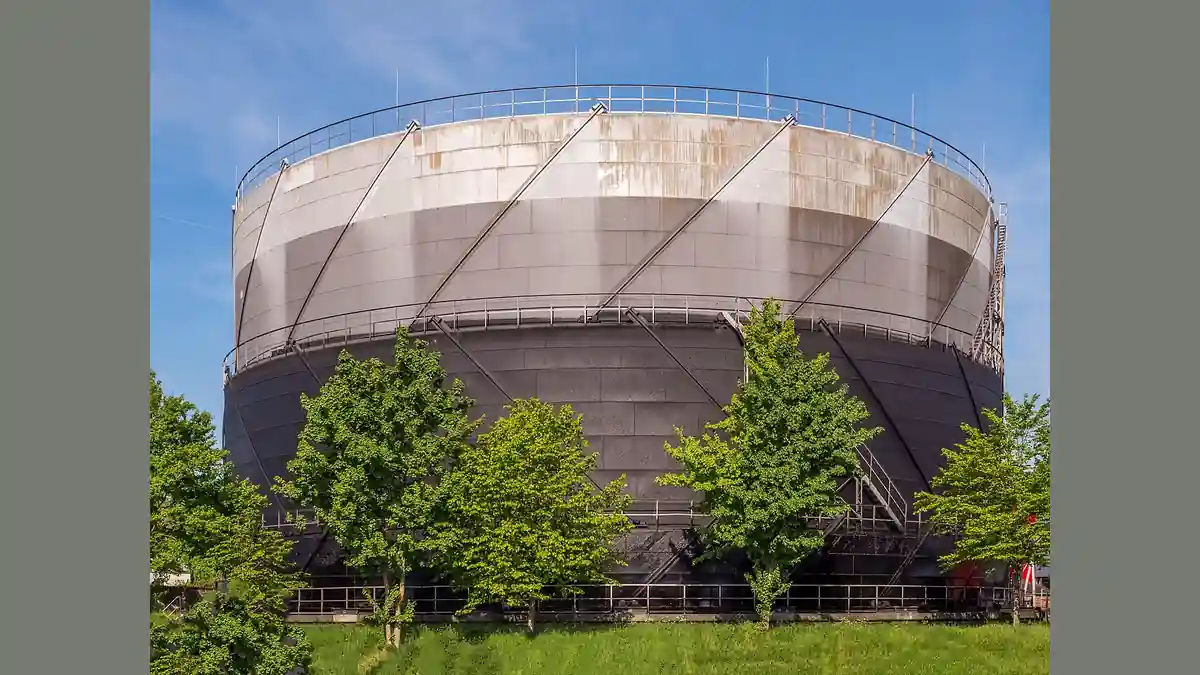
The SSE Atwick gas storage closure covers a site near Hornsea on the East Yorkshire coast. It has eight underground caverns holding about 309 million cubic metres of gas. That is roughly 1.5 days of Great Britain’s gas usage. It is also nearly 10% of UK storage capacity. The Yorkshire gas storage site has operated since 1979. SSE has owned it since September 2002. The company says existing market arrangements no longer support its continued operation. Without government intervention, it expects a multi-year rewatering and decommissioning programme to begin in summer 2027.
For consumers, the direct effect is less cushion. Britain relies heavily on LNG imports and pipeline supplies. That leaves it more exposed to supply disruptions and price volatility. Storage is one tool that softens those shocks. Losing a site like Atwick does not change your bill today. It does change how exposed the system is when prices jump. Anyone following the UK energy price cap has reason to watch how storage policy develops.
Storage sites earn money when summer gas is cheaper than winter gas. SSE says that gap is not emerging. The Iran conflict and the effective closure of the Strait of Hormuz pushed gas prices up. That made summer stockpiling uneconomical. Those tracking oil demand and energy prices will recognise the pattern, where events far away change what gas costs in Britain.
Atwick is not the only site under pressure. Centrica has warned it will close Rough, Britain’s largest storage site, in April 2027 unless it agrees long-term financial support. The union Unite has called for ministers and Centrica to secure Rough’s future. SSE continues to urge the government to introduce policy measures to support a resilient gas system.
There is a transition angle too. Britain’s grid continues to burn gas. Losing fast-cycle storage while that is true increases exposure to import shocks. Storage is part of the infrastructure that carries the country through the shift, not a leftover from the past.
The timing is tight. Rough’s deadline is April 2027. Atwick’s decommissioning would begin in summer 2027, only months later. SSE points to market conditions that do not reward holding gas.
Why is SSE closing the Atwick gas storage site? Weak market conditions mean the seasonal price gaps needed to profit from summer storage are not appearing. SSE says government support is required to keep it open.
In short, SSE plans to close Atwick, which holds nearly 10% of UK storage capacity. Rough could close in April 2027 without long-term support. Britain depends on imports, and the Hormuz disruption made summer stockpiling uneconomical. SSE wants government policy measures to support a resilient gas system.