 Rahul Somvanshi
Premium cotton shirts and fine knitwear often come with a question: could a recycled version feel as soft and hold up as well as new? The question matters to anyone who pays more for quality. A new partnership between Recover and SUPIMA is testing that idea with American Pima cotton production waste.
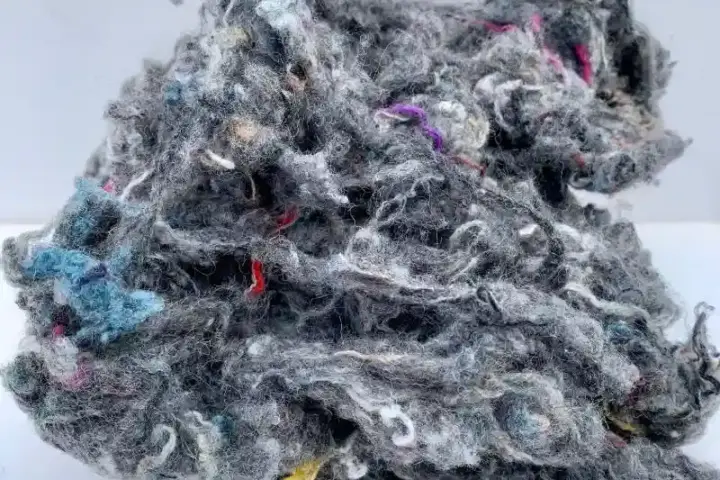
On November 19, 2026, Recover, a materials science company, and SUPIMA, a non-profit, announced a partnership to advance circularity in premium cotton. The Recover Supima partnership aims to turn cotton production waste from SUPIMA into a new line of recycled fibers and yarns. SUPIMA was founded in 1954 to represent American-grown Pima cotton, and it works with more than 500 licensees around the world. Licensees are companies allowed to use the SUPIMA name on their products. Recover is headquartered in Madrid, Spain. Both the recycled fibers and the virgin cotton come from American-grown SUPIMA cotton. The companies say the new fibers are aimed at premium yarns and garments.
For shoppers, the practical effect would show up on labels. If the recycled line reaches store shelves, a premium shirt or sweater could carry recycled content backed by a documented origin, rather than a general green claim. That is an inference from how the partnership is designed, not a confirmed product plan, since no launch dates or prices have been announced.
How Recycled Supima Cotton Could Reach the High End
Recycling cotton is harder than it sounds. Mechanical recycling pulls old fabric apart into loose fibers and respins them into new yarn, but the process generally shortens those fibers. Short fibers make weaker yarn, which is why recycled cotton has often gone into lower-value products.
That is where staple length comes in. Staple length is the length of a single cotton fiber, and Pima is an extra-long-staple variety, which means its fibers run longer than most common cotton. Longer fibers spin into smoother, stronger yarn, the kind used in fine shirting and luxury knitwear. The partners are starting with SUPIMA production waste.
The second piece is proof of origin. Recover’s recycled fiber carries traceability through TextileGenesis, a digital platform that connects the supply chain from growers to brands. Oritain, a forensic verification company, checks where the cotton was grown. TextileGenesis has been part of SUPIMA’s traceability work since 2022, so the recycled line builds on an existing system rather than starting from scratch. Together, these tools aim to deliver traceable recycled cotton yarn with a verified origin, something a buyer can check instead of simply trust.
Jason Thompson, SUPIMA’s vice president of brand development, has said that recycled cotton has never had a premium tier. According to trade coverage, SUPIMA describes the partnership as giving brands the first premium recycled cotton with a verified origin.
Recover plans to explore recycled SUPIMA cotton in a wider range of premium yarns and garments, according to the announcement. The coverage reviewed did not include volumes, pricing or launch dates, so the timing and scale of the line remain unknown. The sustainable luxury cotton waste angle is therefore still at the planning stage.
For shoppers, the origin link is the most visible part of the story. The cotton is American-grown, and traceability is meant to show that origin. Whether the products will reach stores in every market has not been announced.
For a brand, the appeal is a checkable claim. Recycled content on its own is hard for a buyer to verify. A traceable record tied to a named origin gives a buyer something specific to check. Oritain’s testing is designed to confirm origin independently of a company’s own paperwork.
Recover and SUPIMA are aiming to turn Pima cotton production waste into premium yarn, with origin tracked from the start. The open questions are volume, price and when garments will reach shelves. For now, the partnership is an announced plan, not a product on sale.