 Rahul Somvanshi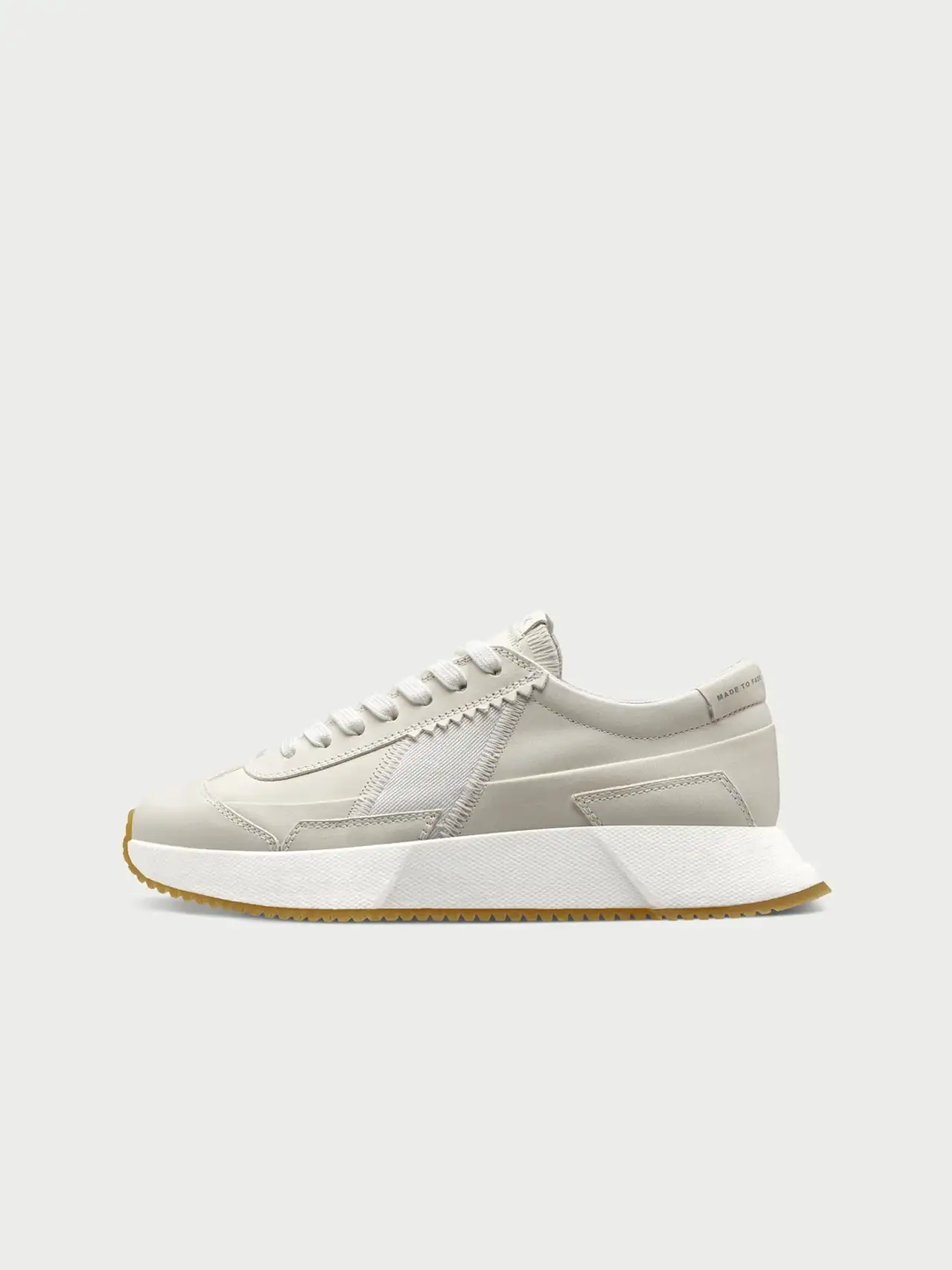
In May, a German company won an international design award for creating something that shouldn’t exist: a concrete-free foundation for buildings. GLAPOR UMB1 is made entirely from recycled glass, and it cuts carbon emissions by 95 percent compared to traditional concrete and foam insulation combined. More importantly, when a building gets torn down, the foundation gets recycled back into the next building instead of becoming landfill waste.
This wasn’t a one-off innovation at the Green Product Awards in Berlin. The event, which happens annually and just completed its 13th edition, pulled together winning designs from 54 countries across 14 categories. What struck observers wasn’t just the number of innovations—it was that 50,000 people worldwide voted on their favorites, signaling that sustainable design preference has moved mainstream.
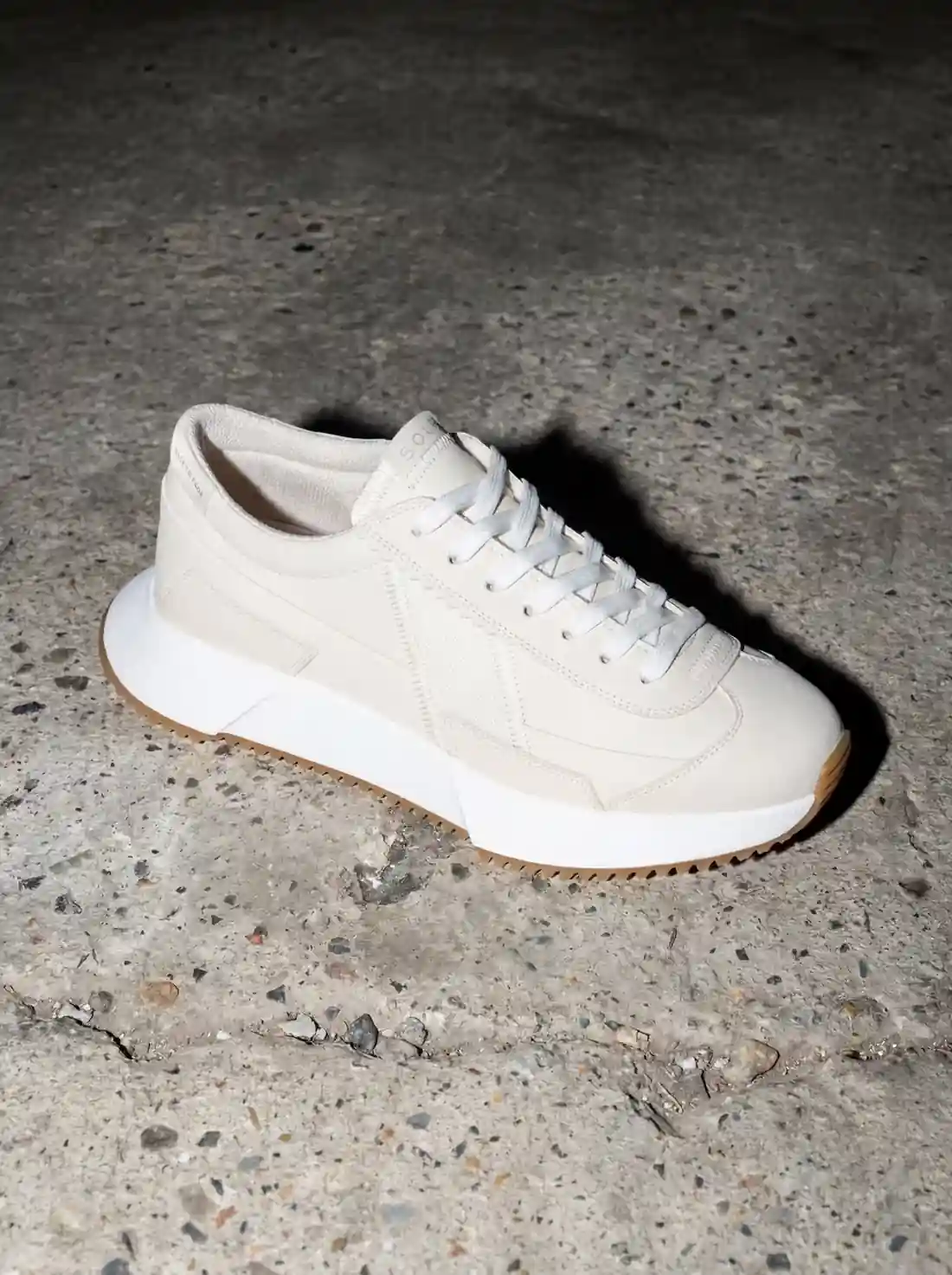
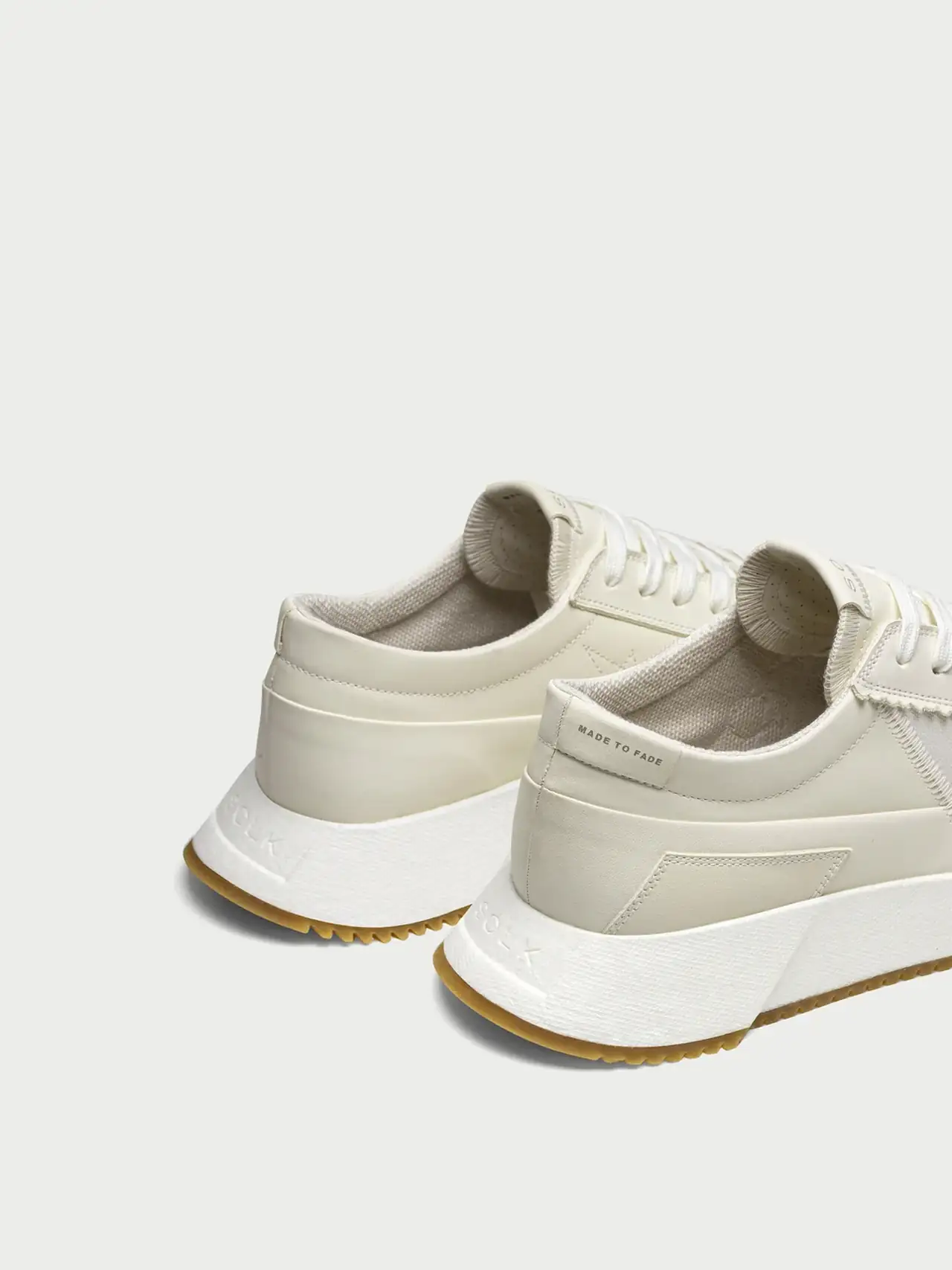
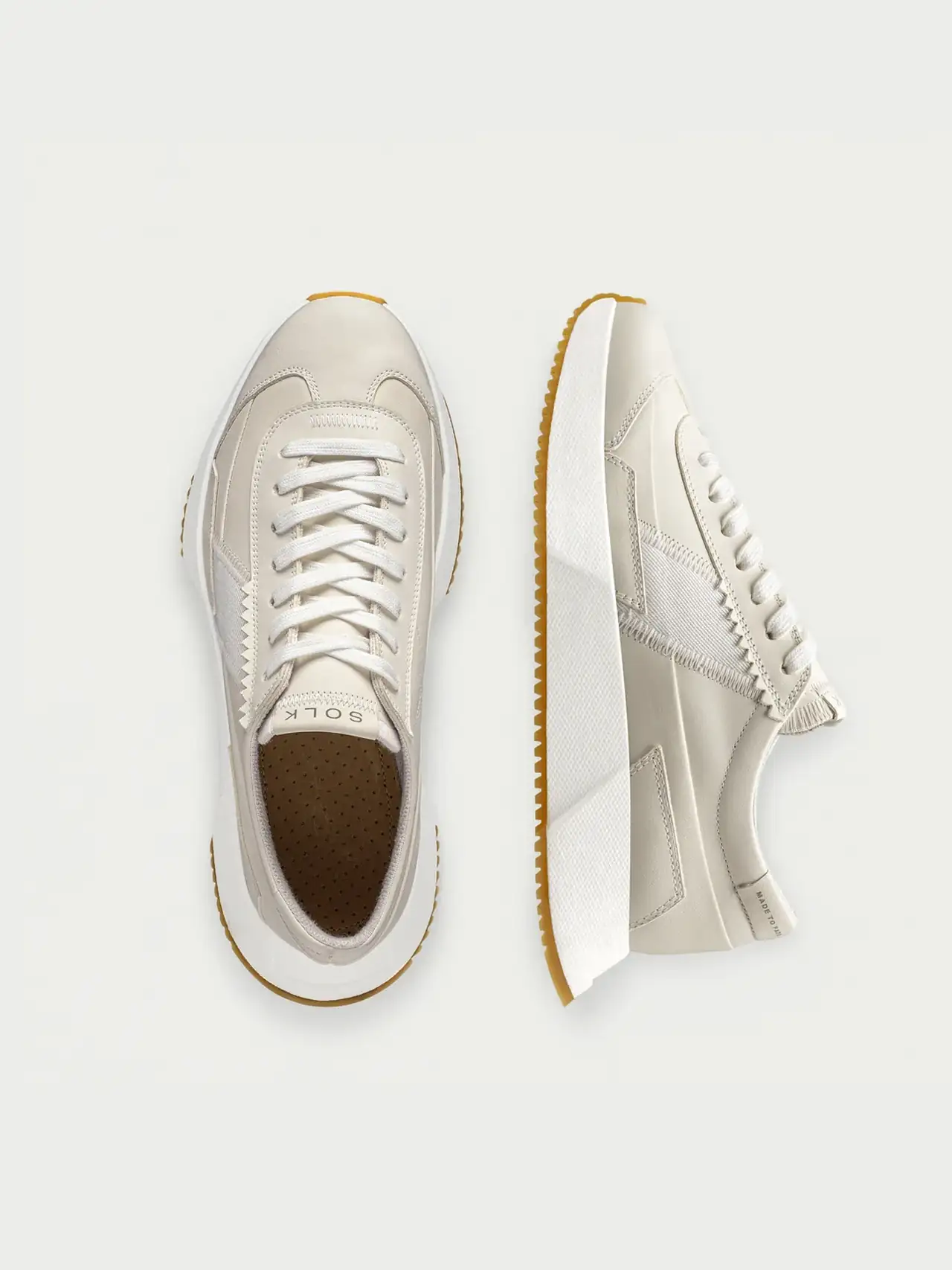
The awards featured a sneaker designed to decompose in a compost pile. SOLK’s Fade 101 is made from chrome-free leather, natural rubber, and plant-based laces. The company included a take-back program where you send your worn sneakers to them for professional composting instead of throwing them away. It’s not a sneaker that lasts longer; it’s a sneaker engineered to return to soil when it’s done.
A French startup called Elis won Product of the Year for something even more interesting: a system that takes industrial workwear with multiple materials stitched together—flame-resistant fabrics, synthetic stitching, metal zippers—and recycles it back into new workwear. Most recycling doesn’t work with complex multi-material garments because they’re hard to separate. Elis solved that problem at scale, which matters because industrial textiles represent a real circular economy challenge that consumer fashion ignores.
Behind these awards is a shift in materials science. Designers are moving away from “sustainable” (which means minimizing harm) toward “circular” (which means designing products to be used infinitely) and “regenerative” (which means the manufacturing process actually improves the environment). These aren’t subtle differences. They represent different economic models.
A startup called Mylo now grows leather from mycelium, the root network of mushrooms. Laboratory-grown mushroom leather matches traditional leather in durability while using 1/100th the water and no animal farming. Seaweed leather, made from harvested macroalgae, offers another alternative—seaweed grows fast without competing with food crops, and ocean farming can improve water quality. Bio-based dyes derived from plant waste replace petroleum-dependent synthetic dyes without heavy metal contamination.
What makes these material innovations relevant is timing. Across Europe, regulations are banning forever chemicals from clothing starting in 2026-2028. Brands must reformulate their products anyway. For the first time, switching to circular design isn’t an extra cost decision—it’s happening as part of necessary compliance changes. A brand redesigning waterproof outerwear to avoid PFAS chemicals might simultaneously ask: should we use compostable materials instead of standard synthetics?
The Green Product Awards also signal something important about public values. When 50,000 people vote globally on product design, and regenerative and circular products win across categories, it’s a data point. Consumer preference for sustainable design has moved from niche market to mainstream expectation.
For Karmactive’s readers thinking about consumption, this means the market is shifting. Based on standard technology adoption curves, products winning awards in 2026 typically reach broader market availability within two to four years. This aligns with expected commercialization timelines for award-winning innovations. Mass-market pricing for these solutions should follow typical adoption curves, with price decreases as production scales between 2028-2029.