Tejal Somvanshi
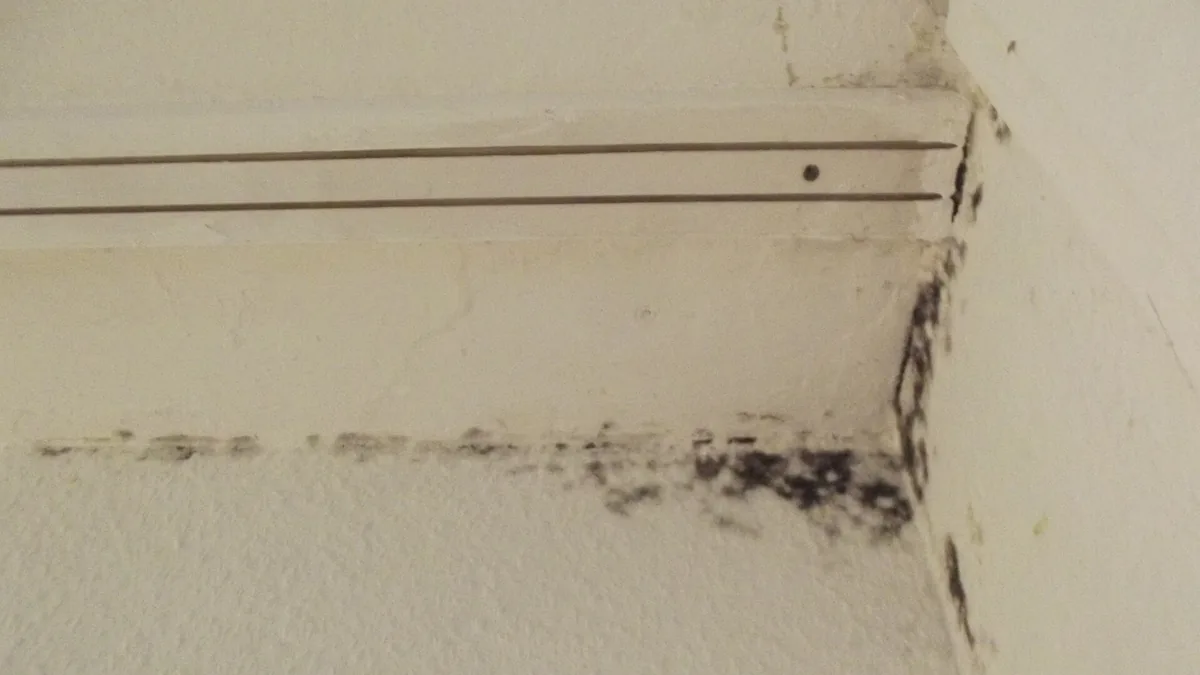
Losing 30 years of red-carpet keepsakes, convincing her husband to throw out his entire wardrobe, and now sleeping in a backyard tent — Jenny McCarthy‘s account of her mold ordeal is extreme by any measure. It’s also raising a practical question for anyone who’s ever found a damp spot at home: do you really need to throw everything away?
On the November 10 episode of her podcast, McCarthy, 54, said she discarded decades of clothing and that she and husband Donnie Wahlberg, 57, abandoned their furniture entirely when they moved out of their Los Angeles home. She traces her first exposure to a studio makeup room, after her makeup artist also became seriously ill, and described a breakdown at a Las Vegas hotel during Wahlberg’s residency after waking up with swollen eyes. Her diagnosis followed 11 surgeries in 15 months, and she says she’s now seven months into a detox regimen that includes roughly 100 pills a day while sleeping in a tent.
McCarthy’s story captures how frightening indoor mold exposure can feel, but homeowners shouldn’t panic and start emptying closets. The CDC and the American Academy of Allergy, Asthma & Immunology advise against costly, unvalidated mycotoxin testing or extreme property purges. Their guidance instead calls for keeping indoor humidity below 50%, drying out leaks within 24 to 48 hours, and discarding only porous items — carpets and upholstery — that stayed soaked too long to dry.
What the CDC and Allergists Say About Mold, Clothes, and Detoxes
Clinical guidance draws a much narrower line than McCarthy’s approach. Ordinary clothing that isn’t rotted or permanently stained can typically be laundered rather than discarded, and hard surfaces can be cleaned with ordinary soap and water. The AAAAI has specifically warned that non-FDA-approved urine mycotoxin tests lack standardization and reliable thresholds, meaning they can’t actually confirm “toxic mold syndrome” as a diagnosis. Separately, NIH-backed research has found that fixing moisture problems at home measurably cuts children’s asthma symptom days — a reminder that the real intervention is addressing the leak, not the wardrobe.
It’s worth noting that McCarthy’s own podcast carries a standard disclaimer describing its content as entertainment rather than medical advice — a detail largely absent from the coverage repeating her regimen as established medical practice.
Do you really have to throw away clothes and furniture after mold exposure?
According to the CDC, you generally only need to discard porous items like carpets and upholstery that were soaked and couldn’t dry within 24 to 48 hours. Normal clothing that isn’t rotted or badly stained can usually be laundered, and hard surfaces can be cleaned with soap and water.
If you’re dealing with a damp spot or a musty smell at home, the first call isn’t a wardrobe purge — it’s finding and fixing the moisture source.