 Tejal Somvanshi
A Public Health Failure Three Decades in the Making
If England’s obesity rates were still the same as 1993, there would be seven million fewer adults living with obesity. Instead, there are now 14 million adults classified as obese, despite successive governments launching 14 separate obesity strategies over the past three decades. It’s clear something isn’t working.
The Youth Crisis
According to new analysis by the King’s Fund, obesity rates are rising fastest among 16-to-24 year-olds. In 2024, 18% of this age group were classified as obese or severely obese, compared with just 6% in 1993. Accounting for population change, this means there are now one million young adults living with obesity in England — 700,000 more than if rates had not risen.
Dave Buck, senior fellow for public health at the King’s Fund, called this rise “clearly worrying” and says governments have “talked the talk, but not sufficiently walked the walk” in addressing obesity rates. “This analysis shows the scale of the failure to take the necessary action on tackling this obesity timebomb,” he added.
Why Has Obesity Risen?
There are several factors behind the rise in obesity, including changes in eating habits and food prices over the last 30 years. Service industry jobs — or “white collar” work — now take a larger share of the economy, while traditional manufacturing and “blue collar” manual labour has declined. This means more people are in sedentary office jobs, spending more time sitting down than moving around.
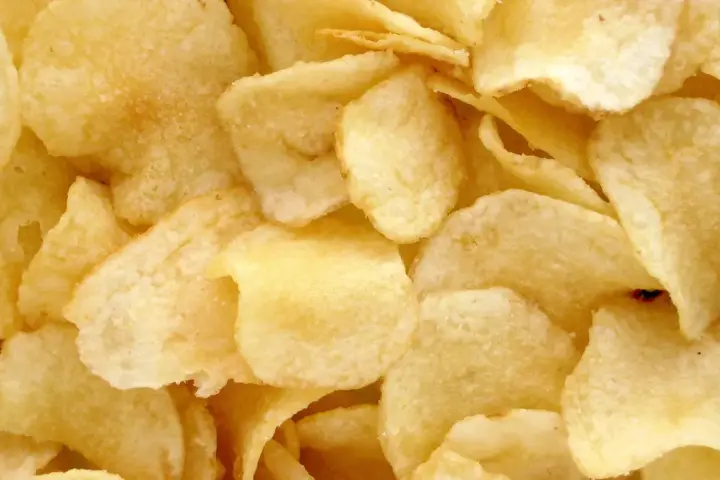
Food prices have also fallen since the 1990s, partly because of increased competition between major supermarkets alongside an increase in fast food outlets and home delivery. Buck told the BBC these changes mean it’s “far easier to over-consume or consume in ways that add to our weight.” With deliveries, “it’s very easy and convenient now to click a button and you get a takeaway at your door, so we’re making it much easier to have high fat, high salt and high sugar foods.” This health crisis is not limited to England.