Tejal Somvanshi
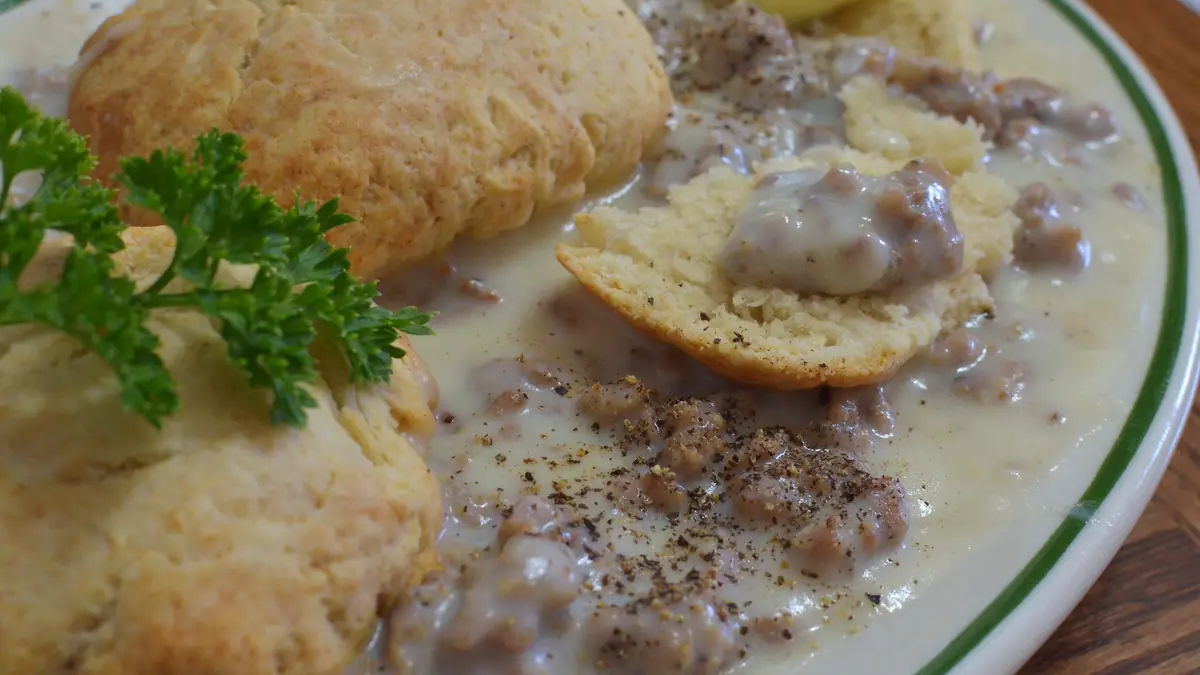
If you have refrigerated or frozen breakfast sandwiches or other ready-to-eat meat-and-biscuit products at home, check them now. The U.S. Department of Agriculture’s Food Safety and Inspection Service issued a public health alert on November 14, 2026. The alert warns those products may be contaminated with Listeria monocytogenes, a bacteria that causes a serious infection called listeriosis.
USDA FSIS Biscuit Listeria Alert: What Was Announced
The USDA FSIS biscuit Listeria alert was issued from Washington on November 14, 2026. FSIS warned that ready-to-eat meat products may contain biscuits recalled by C.H. Guenther & Son for possible Listeria monocytogenes contamination. Ready-to-eat means fully cooked and sold for consumption without further preparation. No confirmed illnesses have been reported. FSIS published a product list and product labels on its website. The agency warned that additional downstream products may be added to the list as the ingredient recall investigation continues. Downstream products are finished goods made using those recalled biscuits. Products are distributed across multiple U.S. states.
FSIS says affected products may still be in home refrigerators or freezers. Do not eat any product included on the FSIS alert list. Throw it away or return it to the store where you bought it. Retailers are urged not to serve or sell these items. The investigation is ongoing—check the FSIS website frequently because more products may be added at any time.
How the Alert Spans Two Federal Agencies—and Why Freezing Does Not Make Products Safe
This alert began with a recalled ingredient. C.H. Guenther & Son, an FDA-regulated manufacturer, recalled biscuit products for possible Listeria monocytogenes contamination. Those biscuits were then used as ingredients in ready-to-eat meat products made by USDA-inspected firms. FDA regulates most packaged foods, including biscuits. USDA FSIS regulates meat and poultry. When a recalled FDA-regulated ingredient is used in a USDA-regulated finished product, both agencies must act. FSIS issued its alert after a firm told the agency it had received those recalled biscuits.
Freezing does not make these products safe. Unlike many bacteria, Listeria monocytogenes survives and can grow at refrigerator temperatures. Freezing halts growth but does not kill the bacteria. Once a product thaws, Listeria can become active again. That is why FSIS warns about products still in home refrigerators or freezers.
High-risk groups face the most serious consequences. These include adults 65 and older, people with weakened immune systems, and pregnant women and their newborns. In pregnant women, the infection can cause miscarriages, stillbirths, premature delivery, or life-threatening infection of the newborn. Symptoms include fever, muscle aches, headache, stiff neck, confusion, loss of balance, and convulsions, sometimes preceded by diarrhea or other gastrointestinal symptoms. Anyone in a high-risk group with flu-like symptoms within two months of eating a possibly contaminated product should seek medical care. They should also tell their health care provider about consuming the potentially contaminated food. Listeriosis is treated with antibiotics.
This November 14 alert is an active downstream supply-chain expansion. It bridges FDA-regulated biscuit ingredients into USDA-inspected ready-to-eat meat items—two separate regulatory systems connected by one recalled component. FSIS has explicitly stated that more downstream products may still be named as the investigation progresses. The affected product list is not final.
Frequently Asked Questions
Why did USDA FSIS issue a Listeria public health alert for meat products with biscuits?
On November 14, 2026, USDA FSIS issued a public health alert for ready-to-eat meat products. Those products contain FDA-regulated biscuits recalled for possible Listeria monocytogenes contamination. FSIS warned that affected items may still be in home refrigerators or freezers. Additional downstream products could be identified as the ingredient recall progresses.
Does freezing kill Listeria in recalled breakfast sandwiches?
No. Listeria monocytogenes survives freezing. Freezing stops bacterial growth but does not kill it. Once a product thaws, Listeria can become active again. FSIS warns that items in home freezers may still carry risk. Do not eat any product on the FSIS alert list, regardless of how it was stored.
What is the difference between a USDA public health alert and a recall?
A recall is a firm’s action to remove a specific product from commerce. A public health alert is issued by FSIS when a health risk exists but a recall has not been conducted. This can also happen when the full scope of affected products is still being determined. Both mean: do not eat the listed items.
What to Do Right Now
Discard or return any affected ready-to-eat meat-and-biscuit product immediately. For questions, call the USDA Meat and Poultry Hotline at 888-674-6854 or email MPHotline@usda.gov. You can also submit a complaint through the Electronic Consumer Complaint Monitoring System, available 24 hours a day. FSIS has said additional downstream products may be identified—check back frequently for the latest updates.