Sunita Somvanshi
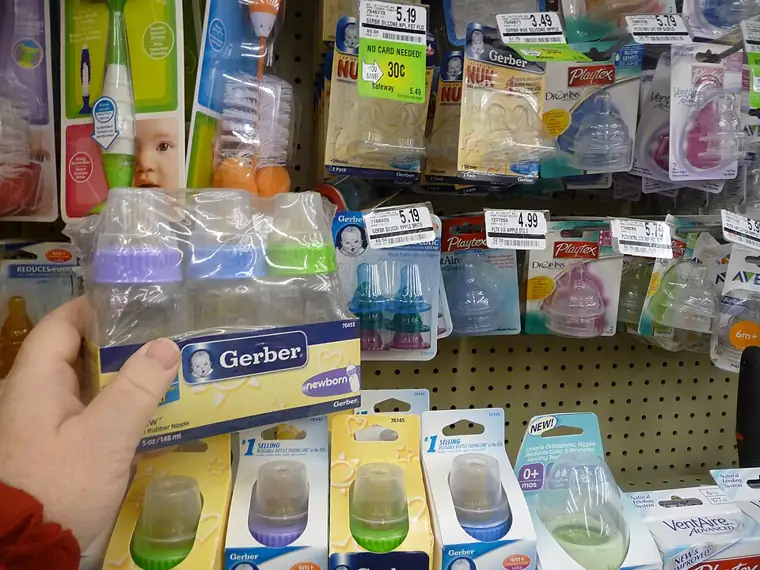
A reel circulating on Instagram makes several alarming claims about plastic exposure during pregnancy, including claims about placentas, premature births and infant feeding bottles. This fact-check separates the underlying research from what the video overstates.
What the reel says
The video says that every placenta tested contained microplastics, links a plastic chemical to nearly two million premature births in one year, and says preparing formula in plastic bottles at 70°C releases 16.2 million particles per litre.
What studies have found in placentas
A 2024 University of New Mexico study reported measurable microplastics in all 62 human placentas it analysed. That is a notable finding, but it is not evidence that every placenta everywhere contains microplastics, nor does it establish a health outcome for an individual pregnancy. Earlier studies were smaller and used different analytical methods. The research question now is how exposure, particle type and dose may relate to health—not whether a single study can prove causation.
A separate study reported higher microplastic and nanoplastic levels in placentas from preterm births than in placentas from full-term births. This is an association. It cannot, by itself, show that particles caused a particular premature birth: maternal health, social conditions, other exposures and measurement limits can also affect an observed association.
The “nearly two million” claim needs a crucial correction
The figure in the reel refers to a 2026 global modelling study of exposure to DEHP, a phthalate plasticiser—not to microplastic particles themselves. The authors estimated that more than 1.9 million preterm births in 2018 were linked to DEHP exposure under the model’s assumptions. An attributable estimate is not a count of cases proven to have been caused by one chemical, and it should not be presented as evidence that placental microplastics caused those births.
Phthalates are a broad group of chemicals used in many products and materials. Research on prenatal exposure and birth outcomes is important, but the distinction between a chemical additive and a physical microplastic particle matters when interpreting a viral claim.
What is known about plastic feeding bottles
A 2020 study estimated that polypropylene infant feeding bottles could release large numbers of microplastic particles during formula preparation under the researchers’ test conditions. Its widely quoted 16.2 million-particles-per-litre figure was a global average estimate tied to preparation guidance including 70°C water; it was not a measurement of what every infant consumes, and it did not demonstrate illness in babies.
The World Health Organization’s infant-feeding guidance should remain the starting point for parents preparing powdered formula, because powdered formula is not sterile. Parents should not change feeding or formula-preparation practices on the basis of a social-media video. A paediatrician or other qualified clinician can help with individual feeding questions, especially for premature or medically vulnerable infants.
A practical way to read claims like these
- Check whether a claim concerns particles, a plastic additive, or both.
- Ask whether a study reports detection, an association or a causal result; those are not interchangeable.
- Look for the study population, sample size and conditions before applying a headline number to every family.
- Use official infant-feeding and clinical advice rather than improvising from a reel.
Sources
- University of New Mexico Health Sciences: microplastics in human placentas.
- The Lancet Planetary Health: global estimate of preterm births associated with DEHP exposure.
- Nature Food: microplastics released from infant feeding bottles during formula preparation.
- World Health Organization: safe preparation, storage and handling of powdered infant formula.
Source reel: https://www.instagram.com/reel/DeuXToRKiuT/