 Govind Tekale
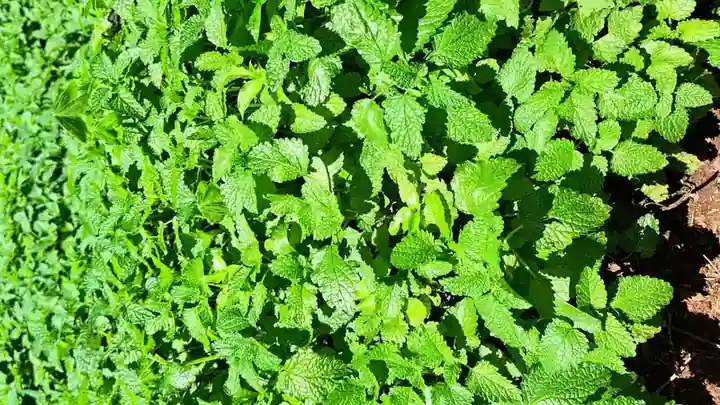
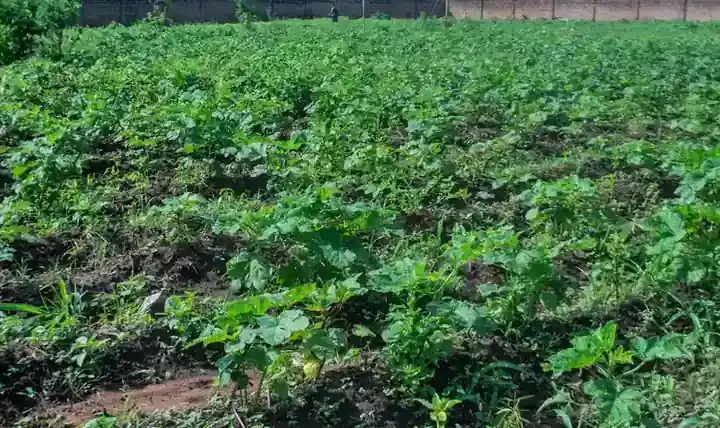
A viral gardening reel says a spray made by blending fresh mint leaves with water can protect plants from insects, rodents and squirrels. Mint’s smell may influence some animals and insects in particular settings, but the video does not establish that a homemade mint-water spray is a reliable, broad-spectrum or plant-safe pest control.
Karmactive found no university-extension guidance that validates the reel’s recipe, weekly spraying schedule or claims about deterring insects, rodents and squirrels. Effectiveness depends on the pest species, crop, concentration, weather, pest pressure and the way a product is applied.
What the mint-water recipe does—and does not—show
Blending mint with water produces a homemade extract, not a standardised pesticide. Its active compounds, concentration and persistence will vary from batch to batch. A spray that seems to work in one garden may be ineffective in another, and any residue can wash off after rain.
“Natural” does not automatically mean harmless. Strong plant extracts and essential oils can injure foliage, especially in heat or when applied too frequently. They may also affect beneficial insects if sprayed directly on them. The reel’s advice not to spray flowers is a sensible precaution, but it does not prove the mixture is safe for pollinators or other non-target organisms.
Use pest identification first
Before spraying anything, identify what is damaging the plant. Chewed leaves, sap-feeding insects, fungal disease, slugs and mammals require different responses. Check the undersides of leaves, inspect plants at the time of day when damage occurs, and look for signs such as droppings, slime trails, webbing or egg clusters.
The U.S. Environmental Protection Agency’s integrated pest management principles emphasise prevention, monitoring and targeted control rather than routine blanket spraying. Practical options can include hand-removal, barriers, netting, sanitation, traps suited to the pest, and selecting a registered product only when necessary and according to its label.
Test carefully if you choose to experiment
Gardeners who still want to try a homemade mint extract should treat it as an experiment, not a proven solution. Test it on a small, non-flowering part of one plant first; wait at least a day or two for leaf burn or wilting; avoid spraying in hot sun; and keep it away from flowers and beneficial insects. Stop using it if plants show damage or pests persist.
Mint can be a useful culinary and garden plant, but it is not a substitute for identifying the pest and choosing a control matched to it. The reel’s claims about free, universal and non-toxic protection remain unverified.
Sources: supplied social-media reel; U.S. EPA integrated pest management guidance. The video’s recipe and outcome claims are treated as unverified.