 Govind Tekale
At 1am on August 16, Twelve people died when a coach bus carrying 57 Polish pilgrims and two drivers returned from one of Christianity’s most sacred pilgrimage destinations when tragedy struck on a Hungarian motorway. According to reports, the vehicle veered off the road near Mezőkeresztes on the M3 and overturned into a ditch, transforming what should have been a safe journey home into a catastrophe. In the aftermath, twelve people would not survive the night, ten more faced life-threatening injuries, and 37 others sustained minor injuries.
The bus had departed from Međugorje, Bosnia and Herzegovina—a small town in the Balkans that has become a destination for Catholic pilgrimage. Each year, thousands from Poland travel to this sacred site. These journeys, often undertaken by organized bus tours like the one that crashed, represent both spiritual devotion and physical vulnerability, particularly when they involve late-night driving across multiple countries.
According to Hungarian authorities, the bus “went off the straight road into a ditch and overturned.” Early investigations pointed to driver fatigue as the probable cause. The significance of this detail cannot be overstated: fatigue-related accidents on European highways claim thousands of lives annually, yet enforcement of driving-hour regulations remains inconsistent across border crossings where many international bus services operate.
Helena Tluczek, a survivor from Lubenia, Poland, recalled the chaos from her hospital bed: “All the seats were ripped out. People were under the seats; everyone was screaming for help.” She managed to pull two people from the wreckage—an act of courage born from the desperation of those first moments when the distinction between life and death seemed determined by mere proximity to an exit.
The response from Polish leadership reflected the gravity of the loss. President Karol Nawrocki and Prime Minister Péter Magyar extended condolences to the families of the deceased. Poland’s infrastructure minister announced that enhanced safety checks would be conducted on all buses and that drivers’ working hours would face stricter scrutiny, though whether such measures, implemented after tragedy rather than before, can prevent future catastrophes remains an open question.
As European transport safety experts note, the EU has been working to harmonize cross-border driving regulations, but enforcement gaps persist. The crash underscores three critical vulnerabilities in modern Europe: the growing reliance on long-distance coach travel for pilgrimage and tourism, the pervasive danger of driver fatigue on highways where rest stops and monitoring are inadequate, and the need for harmonized safety standards that transcend national borders. As European transport experts have noted in prior reporting, cross-border driving regulations remain fragmented across EU member states. When people journey together in pursuit of spiritual meaning, the obligation to bring them safely home is not negotiable.
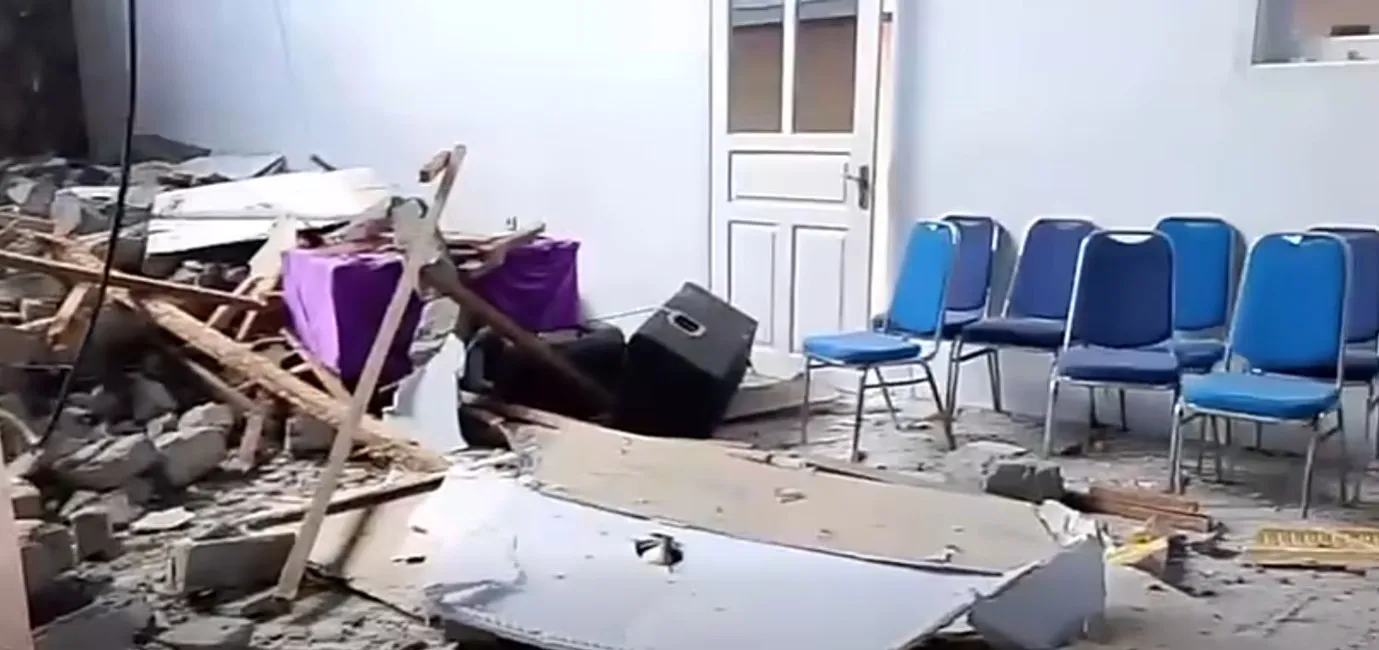
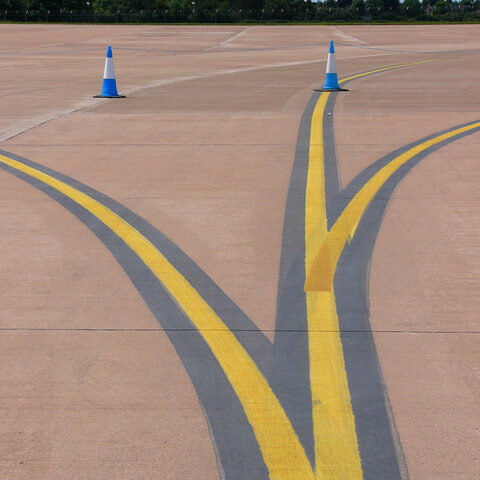
The M3 motorway in northern Hungary, where the Polish pilgrim bus crashed in the early hours of August 16, 2026. This feature image shows a typical section of the highway near Mezőkeresztes. [Feature image: EPA / via Wikimedia Commons]
Alt text: Hungarian M3 motorway where the Polish pilgrim bus crashed