 Tejal Somvanshi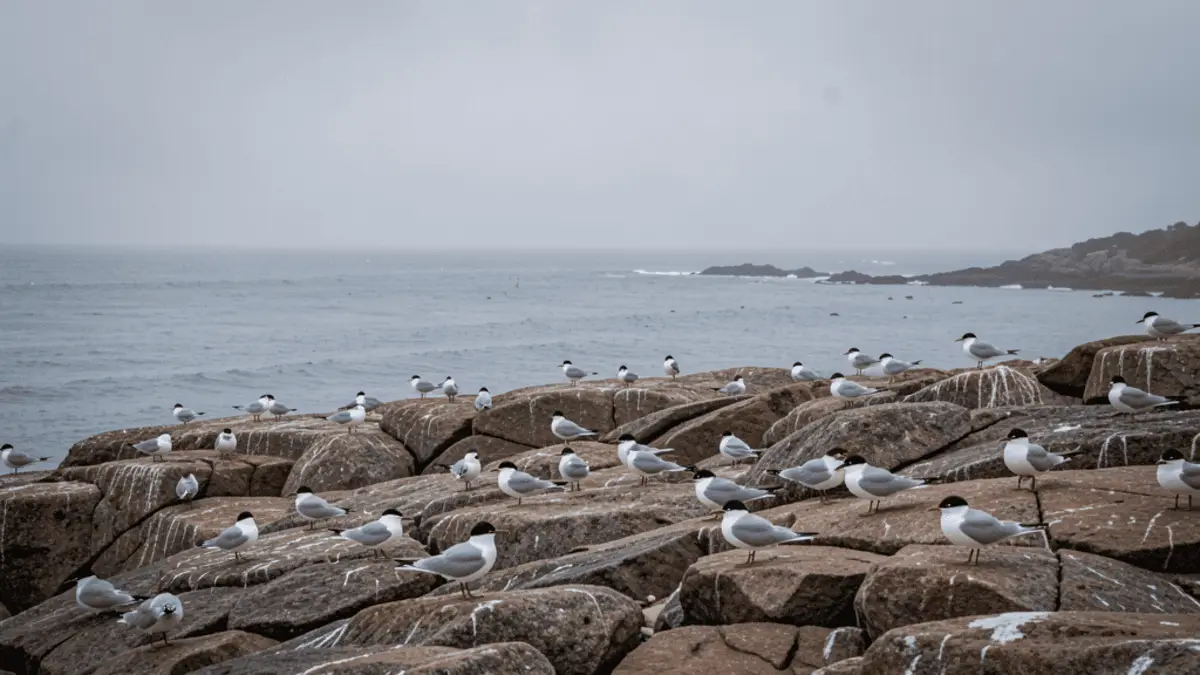
Australia’s most beloved wildlife icon — the tiny little penguin that waddles ashore each evening to the delight of millions of tourists on Phillip Island — has contracted a disease that can prove fatal to large proportions of the species. Little penguins, the world’s smallest penguin species at just 33 centimeters tall, now face an unprecedented threat from H5N1 avian influenza. With 5,000 doses of vaccine available, conservationists are working urgently to inoculate the colony before the virus spreads through the remaining 35,000 birds.
The crisis began when a little penguin was found dead on Phillip Island with H5N1 bird flu — Australia’s first confirmed case in the species. The bird was discovered outside the famous Penguin Parade area, which draws over 3 million visitors annually and generates approximately A$200 million for the regional economy. Victoria’s chief veterinary officer, Dr. Graeme Cooke, announced that Agriculture Victoria is working closely with Phillip Island Nature Parks to begin vaccination efforts from Monday, August 18, with a program targeting 5,000 little penguins at Phillip Island and St Kilda.
The timing is critical. The vaccination requires two doses administered weeks apart, leaving a narrow window as bird flu continues to spread across Australia’s wild bird populations. As of Friday, Australia had recorded 219 total bird flu cases nationally, with detections spanning multiple species and states. Phillip Island’s penguin colony, the world’s largest of its kind, faces extraordinary vulnerability in this outbreak, compounded by the genetic isolation of the population.
The outbreak reflects a broader pattern affecting Australian wildlife. H5N1 has been confirmed in greater crested terns at Lakes Entrance and Dromana. These cases indicate the virus is spreading through wild bird populations, with climate-driven migration shifts having altered both the timing and routes of these movements, potentially accelerating disease transmission across populations that would normally remain geographically separated.
Australia’s bird flu response mirrors global patterns, where H5N1 has affected over 20 countries since 2020. As karmactive previously reported, the virus had already struck 101 Australian wild seabirds before this penguin case. The Phillip Island vaccination campaign represents one of the world’s largest wildlife disease interventions, with each penguin requiring two doses weeks apart. Victoria’s Department of Environment reports that every dose administered represents a fight to protect both a beloved species and one of the world’s most significant wildlife tourism destinations from disease. The program’s success will determine whether the world’s largest little penguin colony survives this outbreak intact.
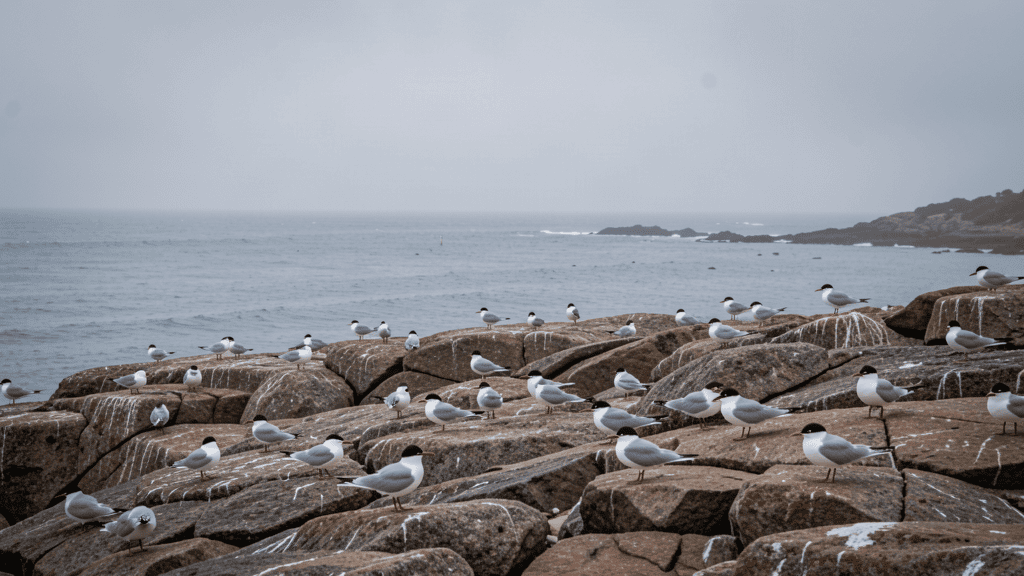
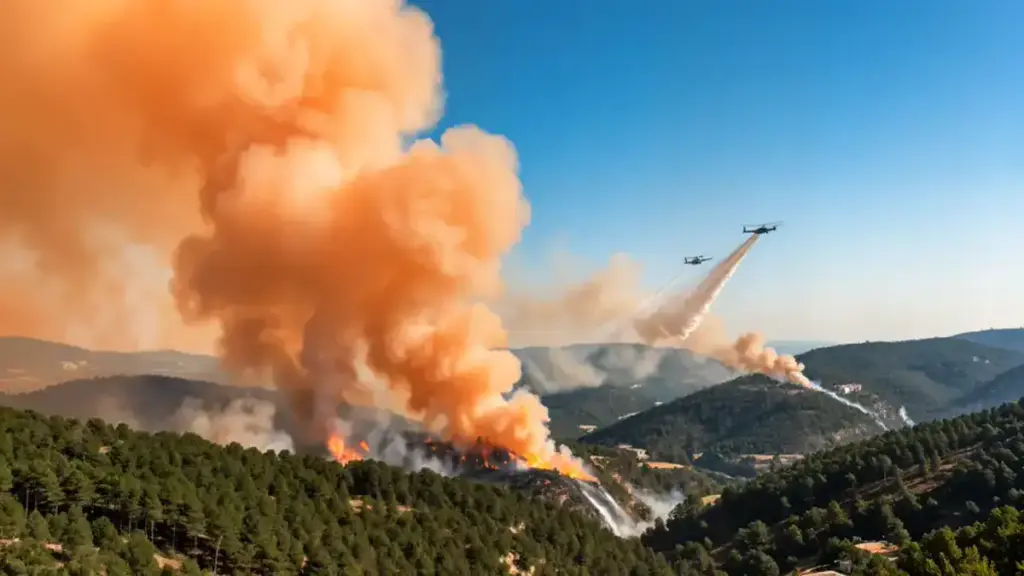
Feature image showing the H5N1 avian influenza virus that has claimed its first victim among Australian little penguins on Phillip Island. [Feature image: Karmactive]
Alt text: Visualization of H5N1 bird flu virus affecting little penguins on Phillip Island