 Sonali Tiwary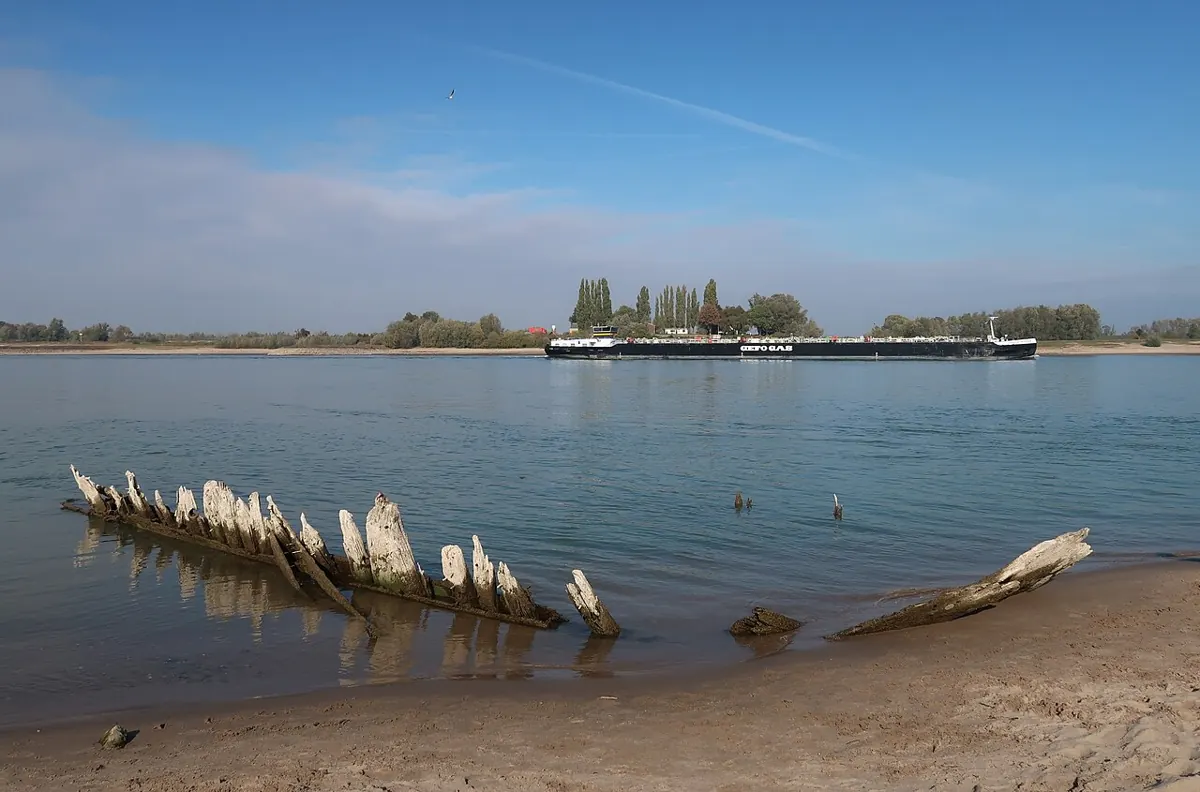
Estimated reading time: 3 minutes
The Danube River, Europe’s second-longest waterway, has suffered one of its worst droughts in recorded history. As water levels plummet to record lows, something striking is becoming visible again: dozens of World War II German warships deliberately sunk in 1944 during the Nazi retreat from advancing Soviet forces. The latest drought has exposed the wrecks again at exceptionally low river levels. These same wrecks were also exposed during previous droughts in 2022 and 2024.
Near the Serbian port town of Prahovo, rusting hulls and twisted metal now protrude from water levels so low that residents can walk and swim near wreckage submerged for over 80 years. The phenomenon demonstrates how climate change is reshaping geography and revealing historical artifacts simultaneously.
As Soviet forces advanced westward in 1944, German military commanders made a desperate decision: scuttle their fleet rather than let it fall into enemy hands. Approximately 200 German vessels from the Danube and Black Sea flotillas were deliberately sunk in a five-kilometer bottleneck near Prahovo. The goal was both strategic and psychological—deny resources to the enemy while blocking the river corridor.
These weren’t small patrol boats. The Danube fleet included warships, minesweepers, and armed barges. Many still contain ammunition and explosives from nearly 80 years ago. Corroded ordnance becomes unpredictable when exposed to air or disturbed, making the wrecks dangerous obstacles to modern river traffic.
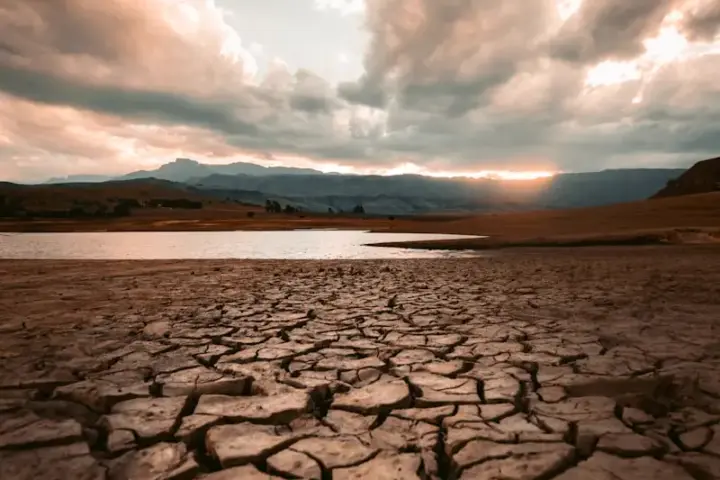
Water levels on the Danube have dropped dramatically during severe droughts in 2022 and 2024, with 2026 proving even more extreme. By late July 2026, Danube water levels reached record lows in Serbia and Croatia, driven by persistent heatwaves and below-average rainfall. Sections of the river that typically flow at safe depths for commercial shipping were reduced to mere trickles.
The wrecks, which had been partially visible during previous droughts, are now fully exposed in many locations. Photographs show residents swimming near exposed German warships, and divers exploring the debris of a conflict that ended eight decades ago.
While the exposed wrecks are historically fascinating, they create immediate hazards for river commerce. The Danube is a critical shipping corridor connecting Central and Eastern Europe. Low water levels have already reduced navigable channels from 590 feet to 330 feet in some areas near Prahovo. The protruding wrecks make navigation even more dangerous.
Serbia has responded by launching a major removal operation with financial support from the European Union and the European Investment Bank. The first phase targets 21 of the most dangerous wrecks that sit directly in or near the navigable channel. Specialized teams using divers and explosive experts carefully recovered several vessels during 2024, but most of the estimated 200-vessel fleet remains in the riverbed.
The Danube drought is part of a larger climate crisis affecting Central and Eastern Europe. Power plants face potential shutdowns as river levels drop, affecting electricity generation. Agriculture suffers as irrigation becomes difficult. Drinking water supplies are threatened in regions that depend on the Danube.
Experts have linked the unusually severe droughts to climate change. Rising global temperatures increase evaporation and reduce precipitation in already-vulnerable regions. The Danube is experiencing stress levels that may become more frequent as climate patterns continue to shift.
For historians and archaeologists, the exposed wrecks are both treasure and cautionary tale. They represent one of the largest maritime graveyards in European history. Individual vessels carry their own stories—crews who died, technologies from a bygone era, and evidence of decisions made in wartime desperation.
Yet accessing these wrecks for research or removal proves difficult. The riverbed is murky, currents are unpredictable, and the explosive ordnance requires extreme care. The window to study and safely remove these wrecks may be limited. As climate patterns potentially stabilize or river management improves, water levels may rise again, resubmerging these historical artifacts.