 Sonali Tiwary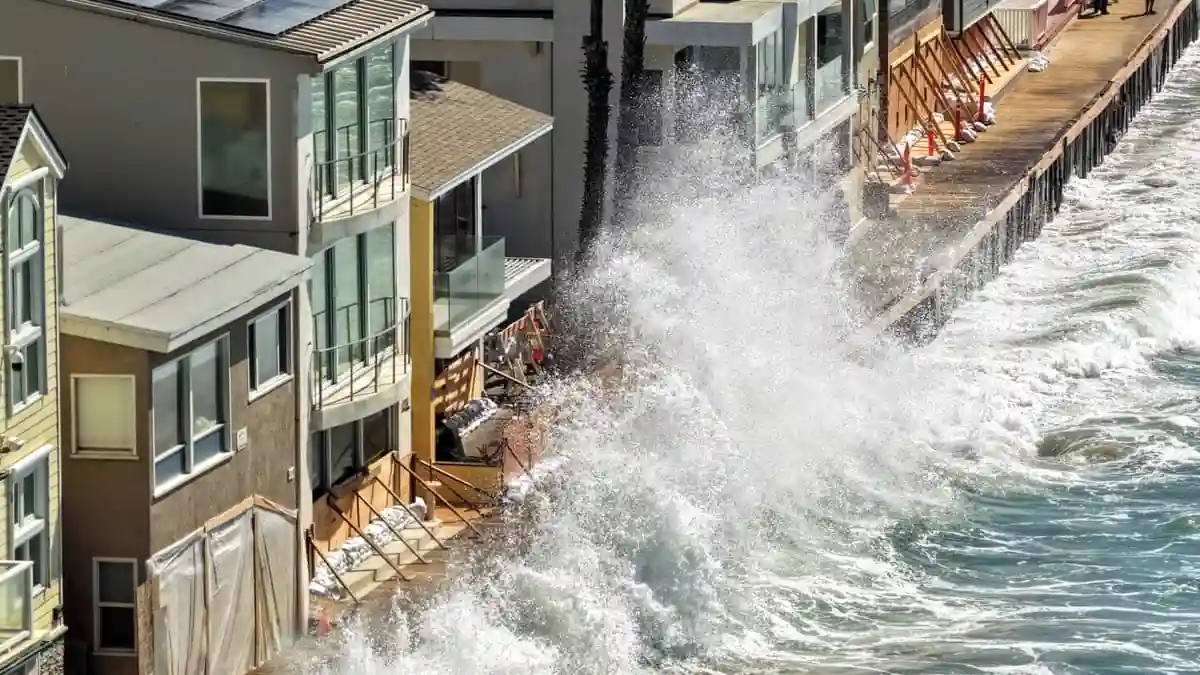
California’s emergency just got worse. Hurricane Polo crashed into Baja California on September 29, sending its soaked remnants northward. At the same moment, the state faces something even more menacing: a Kelvin wave bearing down on the coast. The combination could make California flooding the defining crisis of the fall.
California flooding is no longer a distant threat. Hurricane Polo made landfall in Baja California on September 29, 2026, pushing tropical moisture into the US Southwest. California’s governor already declared a statewide emergency on September 21 after the National Weather Service warned of a super El Niño pattern. But the timing has turned nightmarish. On that same September 29 when Polo hit, Governor Newsom vetoed a bill designed to repair vulnerable Delta levees. The state now faces water rising from multiple directions at once. Daniel Swain, a climate scientist at UCLA, said coastal flooding is practically certain. The Kelvin wave alone could push waters up one foot higher than normal. When added to the climate change sea level rise already happening, this could double the water surge hitting California’s coast.
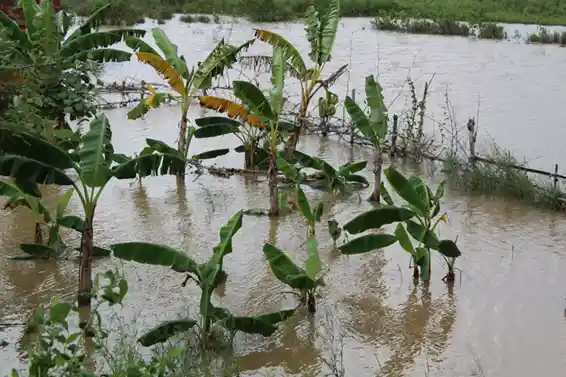
The consequences are staggering. Millions of Californians live in flood zones. The Sacramento-San Joaquin Delta, which channels much of America’s food production, sits below sea level in places. If Delta levees fail, saltwater from the Pacific will contaminate freshwater aquifers for years. Agricultural losses could spike into the billions. Homes will be destroyed. Roads and power lines will wash away.
The Kelvin Wave
The Kelvin wave is an ocean current that moves from the western Pacific along the equator, then up the American coastline, as documented by US oceanographic research. It arrives when water temperatures are already elevated. It brings warm water that destabilizes the ocean surface and forces moisture upward into storms. Kelvin waves last weeks. This one will persist through October and possibly November. It acts as a pump for atmospheric rivers, which are ribbons of moisture that can drop a month’s rain in days. A Kelvin wave means California flooding from the coast extends inland for hundreds of miles.
Newsom’s levee veto stands out as poor timing. The Delta Levee Subventions Program bill would have funded repairs to protect farmland and communities from flooding. The governor said the bill did not protect fish and ecosystems adequately. Yet rejecting levee funding on the same day a hurricane approached seems tone-deaf to the crisis unfolding. Critics argue he prioritized environmental concerns over immediate flood defense when California residents were already evacuating.
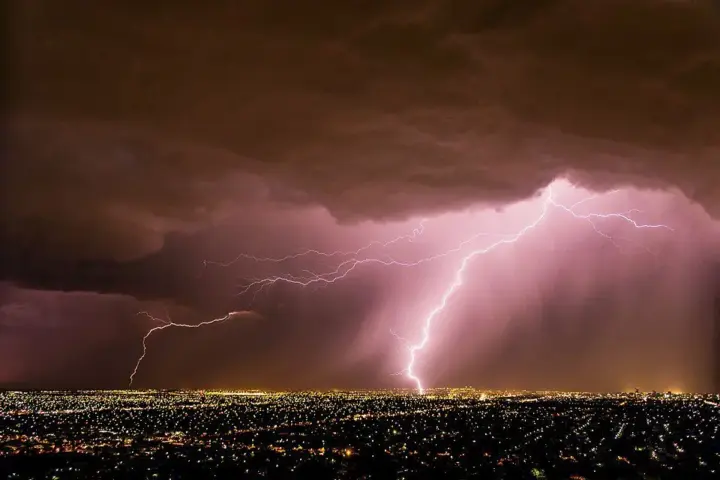
People often ask whether California flooding is coming soon. The answer is yes. Polo’s remnants will spread rain across Southern California and Nevada within days. The Kelvin wave will begin pushing coastal water upward within the week. Combined rainfall could exceed ten inches in some areas. Current forecasts show the wettest period arriving in early October. This is not a distant problem. It is arriving now.
The state scrambles to respond. Sandbag distribution centers have opened. Evacuation orders are in place. Engineers are working to reinforce levees with what they have. But preparation without infrastructure is only partial protection. Families downstream of weak levees remain vulnerable regardless of sandbags or evacuation warnings. The state knew this threat was coming and had a chance to strengthen defenses. That chance was rejected.
California flooding this fall will test whether reactive crisis management can protect millions of people. The hurricane has arrived. The Kelvin wave is coming. The levees remain unmaintained. The outcome depends on how fast emergency responders act and how much water actually falls. Either way, the state’s luck has run out.