 Rahul Somvanshi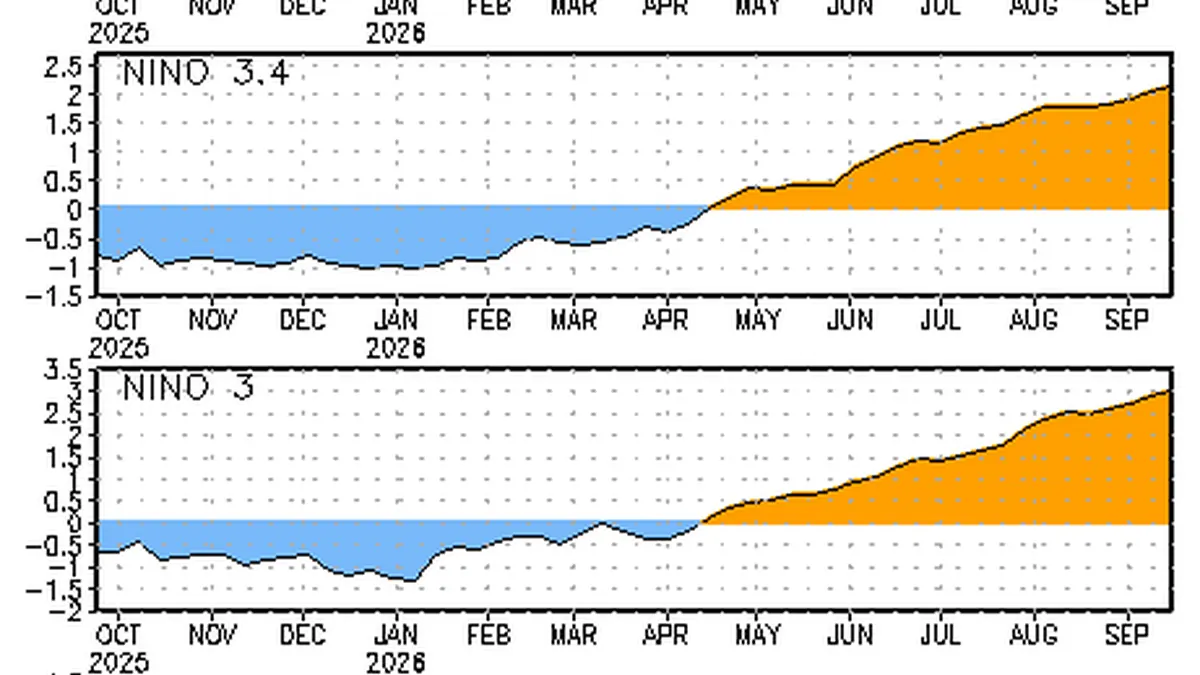
Wyoming’s weekend weather brought sharp temperature drops and gusty winds to Campbell County and Cheyenne. But the more significant news comes from NOAA’s September climate assessment: an unusually strong El Niño is building, and forecasters give it a 75% chance of exceeding the strength of every previous El Niño event on record going back to 1950.
What NOAA is actually saying
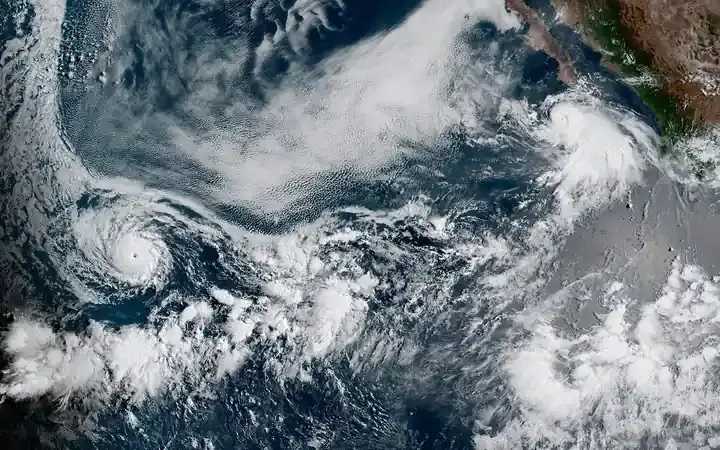
NOAA's Climate Prediction Center issued its September ENSO diagnostic discussion confirming that El Niño conditions are currently active and strengthening. Forecasters project more than a 90% probability of a strong El Niño event persisting through fall and winter 2026-27. NOAA gives a 75% chance that the October–December event will exceed the strength of previous El Niño events dating back to 1950 — a combination of high confidence and historically unusual projected intensity that has led media to use the informal label “Super El Niño,” though NOAA does not use that term officially.
Individual weather systems like this weekend’s cold front should not be automatically attributed to El Niño; NOAA’s ENSO assessment concerns seasonal climate probabilities, not the cause of any specific storm. Karmactive’s previous NOAA El Niño winter forecast gives the national setup behind this Wyoming-focused outlook.
What a strong El Niño typically means for Wyoming
Historical ENSO patterns affect precipitation and temperature across the US in fairly consistent ways, though no two events are identical. For Wyoming specifically, strong El Niño cycles have historically tended to bring warmer-than-average winter temperatures and below-normal precipitation to the state, with the northern and central ranges generally seeing drier conditions while southern border counties can receive episodic heavy storms.
For ranchers and agricultural producers, this pattern points toward a potentially challenging spring if mountain snowpack comes in below normal. Reduced snowpack means lower inflows into Wyoming’s river systems and reservoirs, with downstream effects on irrigation water availability. A milder, drier winter is not automatically a welcome development in Wyoming’s water-constrained high-plains ranching economy. For the developing forecast sequence, see Karmactive’s September El Niño and polar-vortex update.
For ski resorts in the Wyoming ranges, a strong El Niño reduces the likelihood of early and consistent deep snowpack, though late-season storms can still develop.
For highway commuters along I-80 and in Campbell County, the weekend cold front brought gusty winds and temperature drops — standard autumn weather that reflects the immediate forecast, not the seasonal pattern. An earlier Karmactive report also covered NOAA’s 97% El Niño persistence forecast through early spring 2027.
FAQ
What does a Super El Niño mean for Wyoming?
NOAA projects the 2026-27 El Niño has a 75% chance of exceeding the strength of every El Niño event recorded since 1950. For Wyoming, strong El Niño winters have historically tended toward warmer-than-average temperatures and below-normal precipitation, particularly in central and northern parts of the state.
Is this weekend’s Wyoming weather caused by El Niño?
Individual weather events should not be automatically attributed to El Niño. NOAA’s ENSO assessment covers seasonal climate probabilities for fall and winter — not the cause of any specific storm system.
NOAA releases updated seasonal outlooks each month through autumn. This article will be updated as new ENSO assessments are published.