Rahul Somvanshi
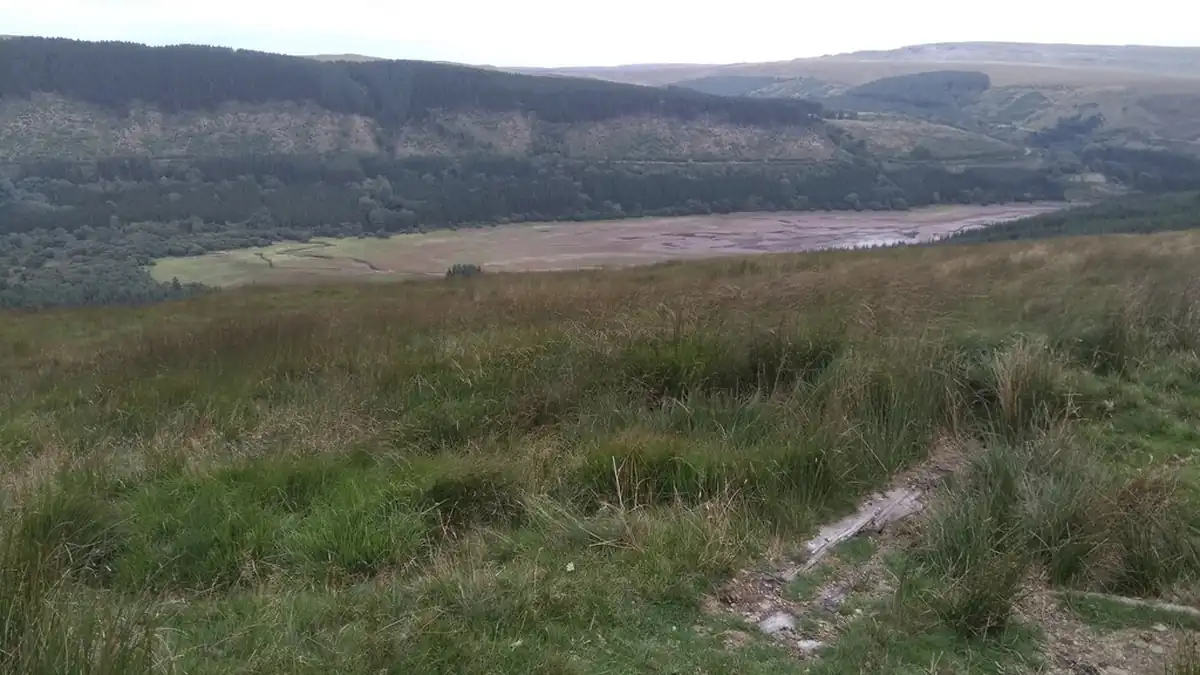
England is facing a drought recovery that may stretch into spring 2027, with the Environment Agency and Defra stating that the country requires approximately 120% of normal seasonal rainfall between September and April 2027 for all drought-affected areas to recover fully. That target exceeds what an average English winter provides, placing the outlook for water supply in a difficult position even before the cold months begin.
As of late October 2026, 82% of England remains classified as being in drought. On 15 October 2026, Defra declared severe drought across six areas of England, following what the agency described as the driest April-to-September period in southern England in over a century. The declaration triggered formal coordination between water companies, the Environment Agency, and local authorities over supply management and usage restrictions.
Why heavy storms may not be enough
The geology of southern and eastern England makes drought recovery a slow process regardless of how much rain falls in any single storm. Much of the region depends on chalk aquifers — large bodies of porous rock that hold water underground and release it steadily into rivers and reservoirs over months. Unlike surface-level storage, these aquifers cannot be rapidly replenished by a spell of wet weather.
When fast-moving winter storms arrive, most of their rainfall runs off the land surface into drainage channels and rivers, where it flows quickly out to sea. The slower, sustained seepage through topsoil and rock that recharges deep chalk aquifers demands weeks or months of moderate, consistent rainfall rather than intense but brief downpours.
Environment Agency telemetry places chalk aquifer levels across southeast England in the Notably Low to Exceptionally Low range. Restoring those levels to seasonal norms typically takes a full wet season under ordinary conditions. The current deficit, accumulated over a dry summer, means recovery requires conditions well above ordinary.
The regional picture is uneven. Devon and Cornwall are expected to remain in fragile recovery even under the Environment Agency’s most optimistic rainfall scenario through the winter. East Anglia, where water supply relies heavily on chalk aquifer storage rather than surface reservoirs, may still be classified as drought-affected in April 2027, even if overall national rainfall meets the 120% target.
The 120% figure is a nationwide average. Specific catchment areas, particularly in the south and east, may require well above that threshold locally in order to meet recovery benchmarks. Other areas with good reservoir capacity could recover faster if substantial rainfall is concentrated over those catchments during the coming months.
Water companies have asked customers to limit non-essential use throughout the winter, and hosepipe restrictions in some areas are expected to remain in place regardless of how the season develops, as supply infrastructure recovery lags behind natural water source recovery.
Officials have warned that a dry winter would extend drought conditions into summer 2027 in parts of England, with implications for agriculture, river ecosystems, and household water costs.