Rahul Somvanshi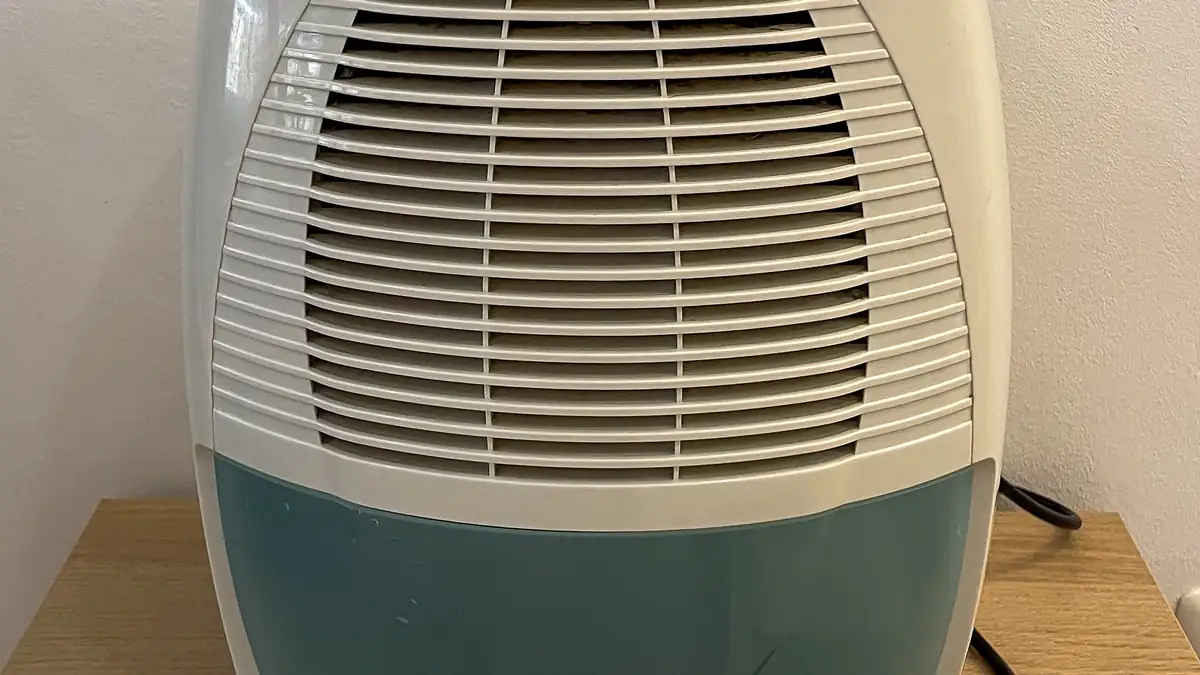
Machines that pull drinking water straight from the air sound like a fix for every thirsty region on Earth. Startups and defense agencies have poured money into atmospheric water generators, or AWGs, marketing them as off-grid solutions for deserts, disaster zones, and remote villages. The pitch is simple: humid air goes in, clean water comes out. The physics behind that promise is far less forgiving than the marketing suggests.
AWGs extract water vapor from ambient air using one of two main methods. Cooling-based units chill air below its dew point, forcing moisture to condense, much like a dehumidifier or an air conditioner’s drip tray. Desiccant-based units use hygroscopic materials that absorb water vapor, then release it as liquid when heated. Companies including Watergen, SOURCE Global, and Genaq build commercial systems using these approaches, alongside military programs like DARPA’s Atmospheric Water Extraction project, which has funded General Electric to build field-deployable units for soldiers.
The catch is humidity. These machines work well only where the air already carries plenty of moisture. Published lab results show the gap plainly: one desiccant material produced 13 liters of water per kilogram per day at 30 percent relative humidity, but only 6 liters per kilogram per day at 15 percent humidity, according to Wikipedia’s technical summary of AWG research. Cut humidity in half, and output drops by more than half. That is the core problem: deserts and drought zones, the places that need water most, are precisely where AWGs struggle hardest.
This mismatch matters because the regions marketed hardest for AWG deployment, arid and semi-arid belts across Africa, the Middle East, and parts of South Asia, are the same regions where the technology performs worst. Engineering assessments generally describe a steep efficiency curve: energy use per liter of water climbs sharply as ambient humidity falls, because the compressor or heater must work harder to pull moisture from drier air. In humid coastal cities, an AWG can be a genuinely practical water source. In a dry inland village, the same unit may consume a lot of power to produce a trickle.
Why Humidity Decides Everything
The underlying science is psychrometrics, the study of moist air. Every parcel of air has a dew point, the temperature at which its water vapor begins condensing into liquid. In humid air, the dew point sits close to the actual air temperature, so a cooling-based AWG only needs a small temperature drop to trigger condensation. In dry air, the dew point can sit far below ambient temperature, forcing the refrigeration system to work much harder for the same yield. Desiccant systems face a parallel constraint: drier air simply carries less water for the material to absorb before it needs reheating to release that water.
This is why AWGs resemble dehumidifiers more than magic water taps. A dehumidifier in a humid basement works efficiently because there is abundant moisture to remove. The same unit in a desert room would run constantly while harvesting almost nothing. Manufacturers often test and showcase their units in humid demo environments, which can overstate performance expectations before a device reaches an arid deployment site.
None of this makes AWGs useless. In coastal, tropical, or monsoon-affected regions, they can supplement water supplies, support disaster relief, or serve isolated military posts without piping infrastructure. Passive alternatives, like fog nets inspired by desert beetles and traditional Andean fog collection, also show that low-energy moisture harvesting works well in the right climate niche.
The honest takeaway is not that AWGs are a scam, but that they are a climate-specific tool, not a universal fix. Buyers and aid agencies evaluating these machines for drought-stricken regions need real humidity data and energy-cost projections first, not glossy brochures. Matching the technology to the right climate, rather than the most desperate one, is what will determine whether atmospheric water generation becomes a genuine resource or an expensive disappointment.
Internal reading: more environment coverage on Karmactive and sustainability reporting.