 Sunita Somvanshi
Russian Diesel Sanctions Waiver: What Trump's Putin Deal Means for US Diesel Prices
Trump's deal with Putin on Russian diesel has a clear target: lower fuel prices before winter. But for a US driver or trucker, the question is whether the pump price will actually move. The answer now depends on a Treasury licence that has been published, and on how markets respond.
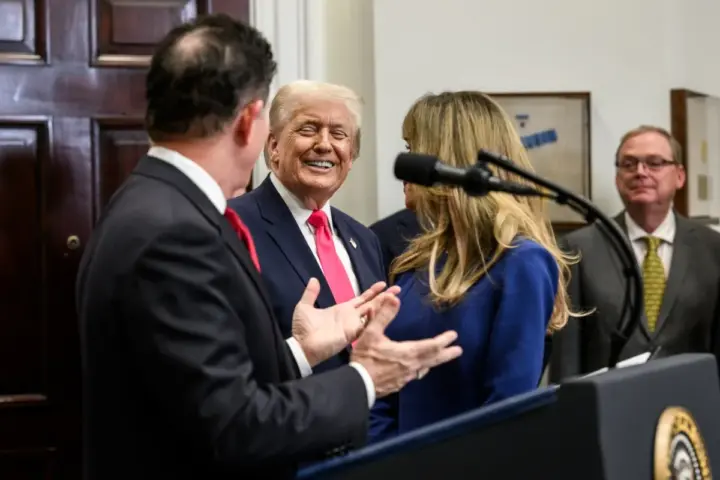
New since our earlier coverage of diesel export bans and emergency reserves: on October 9, Trump announced an agreement with Russian President Vladimir Putin to let Russian diesel flow back into world markets. The same day, the Treasury Department's Office of Foreign Assets Control issued Russia-related General License 135. It authorizes transactions related to the sale, delivery, offloading and importation of diesel fuel of Russian Federation origin. The licence is valid until 12:01 a.m. EDT on April 7, 2027.
For American haulers and farmers, any relief is likely to show up first in wholesale prices, not at the pump, and it depends on market conditions and logistics. Winter heating demand adds pressure on the same supply. At the same time, European governments that took on large costs to cut Russian energy now face a US decision that eases the very trade they were asked to end. That friction could make shipping rules less predictable. (Inference.)
Did the US lift sanctions on Russian diesel?
Not fully. General License 135 authorizes specified transactions involving Russian-origin diesel, including its importation into the United States. It does not automatically repeal every Russia-related sanction. A general licence is a permission that can be withdrawn, unlike a law that repeals sanctions.
What the licence covers
The licence covers sale, delivery, offloading and importation of Russian-origin diesel. That is broader than shipping and insurance alone. The precise permitted parties, transactions, conditions and exclusions are set out in the full licence text, which Treasury has published.
Consistency and cost
For years Washington pressed allies to cut Russian energy ties. Now it is easing restrictions as domestic fuel costs rise. Congress may push to write sanctions into law, which would limit how far a licence can go. That is analysis, not a settled outcome.
What to watch
Watch for market response to the licence and any European Commission or national government statements. Check back for updates.