 Sunita Somvanshi
If you’ve been paying more than £2 a litre at the pump this week, there’s a reason — and now there’s a response. G7 nations have agreed to coordinate an emergency release of 100 million barrels of crude oil and diesel through the International Energy Agency over four months, with a diesel-heavy tranche hitting the market within the first 20 days of the agreement.
What the G7 agreed
The deal was confirmed by French President Emmanuel Macron on 2 October 2026 following a G7 virtual summit. Under the arrangement, IEA member countries will draw down their strategic reserves in a coordinated sequence, rather than each nation acting independently and potentially spiking the same market segment at the same time.
The UK government confirmed participation in an official statement. According to that statement, a substantial portion of the release will be front-loaded in the first 20 days — and that front-loaded tranche is specifically weighted toward diesel, not crude oil.
UK diesel pump prices have reached a record average of £2.00 per litre, meaning a standard family car now costs around £110 to fill from near-empty — up roughly £32 since February, when prices began rising sharply. For drivers and transport operators paying those prices, significant pump savings will not arrive overnight. European refineries face high crude feedstock costs, and forecourt retailers adjust prices on multi-week restocking cycles.
Why the 20-day diesel deadline matters more than the headline number
Most coverage has focused on the 100-million-barrel total. The detail that affects your fuel costs most directly is the 20-day diesel front-loading mechanism — and it exists for a specific reason.
Europe has a refining problem, not simply a crude oil shortage. Additional crude oil, even at lower prices, cannot become diesel without refinery capacity — which is why a direct injection of finished diesel into the market is being prioritised above crude.
The G7 statement calls for coordination of refinery maintenance schedules and temporarily higher utilisation where feasible, to help sustain output over the four-month release window. UK energy prices explainer
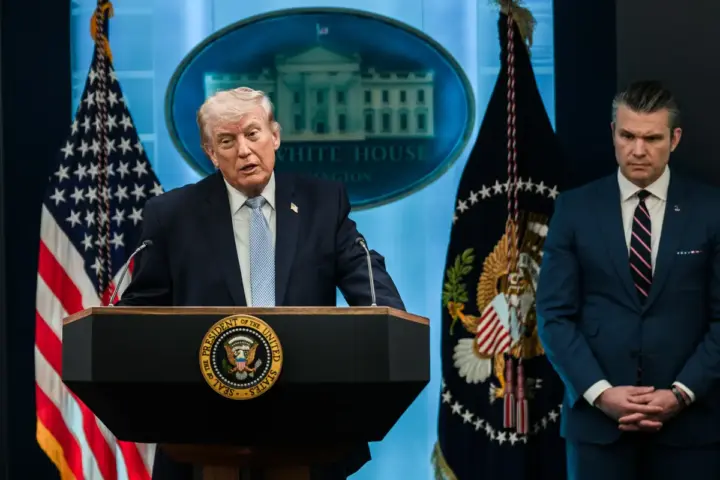
There was also a diplomatic dimension. The US White House had been signalling the possibility of a diesel export ban ahead of the midterm elections — a move that would have removed US Gulf Coast refinery output from European markets and driven spot cargo prices sharply higher. The G7 statement calls on all members to refrain from energy export restrictions.
One figure that provides useful context: 100 million barrels represents less than a day of total global oil consumption. The release is not designed to fill a structural supply shortfall. Its purpose is to reduce speculative wholesale price pressure, which feeds through to forecourt pricing faster than physical supply changes. Strait of Hormuz energy supply disruption
The IEA will deliver a progress report before the 20-day mark and assess whether a second drawdown stage is required.
Will fuel prices go down after the G7 reserve release?
The speed at which reserve releases affect pump prices depends on the pace of market adjustment and the restocking cycle of forecourt retailers. The IEA’s progress report, expected before 20 days, will provide the next clear signal on whether the release is achieving its aims.
The 20-day diesel review is the next key checkpoint. Check back for updates as fuel price data follows the initial release.